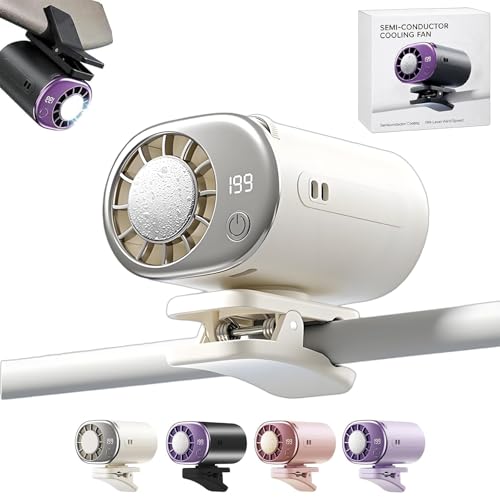
When people search for an air conditioner fan for car use, they usually mean one of two things: the factory blower fan that pushes cooled air through the cabin vents, or a portable 12V fan that circulates air inside the vehicle. Both play an important role in cabin comfort, and understanding the difference helps you make a smarter decision whether you are replacing a worn part or adding extra airflow to an older vehicle.
This guide walks you through how car AC fans work, the main product categories on the market, how to pick the right one for your vehicle, and how to keep it running efficiently. If you are troubleshooting a cooling problem rather than shopping, our air conditioner fan overview and the guide on an AC fan spinning but not cooling are useful companion reads.
What Is an Air Conditioner Fan for a Car?
An air conditioner fan for a car is any fan that moves air as part of, or alongside, the vehicle's cooling system. In most modern vehicles, the primary cabin fan is the blower motor, a small electric fan mounted inside the dashboard that pushes air across the evaporator coil and out through the vents. When you adjust the fan speed dial, you are controlling this blower motor.
A second category is the condenser fan, located in the engine bay in front of the radiator. It pulls air through the condenser to release heat absorbed from the cabin. Together, the blower motor and the condenser fan form the airflow backbone of your car's air conditioning system. If either one fails, cooling performance drops quickly, which is why symptoms like warm vents or weak airflow are so common.
Beyond factory components, the term also covers aftermarket portable fans that plug into a 12V socket or USB port. These do not cool air the way a compressor does, but they improve circulation and can make a parked or idling cabin feel noticeably more comfortable. For a broader look at how airflow and cooling interact in vehicles, see our article on air conditioner for a car and the related piece on car AC blowing but not cooling.
How a Car AC Fan Works
Understanding the airflow path makes it easier to diagnose problems and choose the right replacement part. The typical sequence looks like this:
- Air intake: The blower motor draws outside or recirculated air through the cabin air filter.
- Cooling: Air passes over the evaporator coil, where refrigerant absorbs heat and moisture.
- Distribution: The cooled air travels through ductwork and exits through dashboard, floor, or defrost vents.
- Heat rejection: In the engine bay, the condenser fan pushes air through the condenser so the absorbed heat can dissipate into the atmosphere.
Each stage depends on steady airflow. A clogged cabin filter, a failing blower motor resistor, or a seized condenser fan can all interrupt the chain. That is why a car can have a fully charged refrigerant system and still deliver weak or warm air. Our guide on AC is on but no cold air explains how to trace these symptoms step by step.
Quick diagnostic tip: If you hear the fan running at every speed setting but the air is not cold, the airflow system is probably fine and the issue lies in the refrigeration circuit. If the fan is silent or only works on the highest setting, the blower motor or its resistor is the more likely culprit. The article on AC fan running but no air blowing covers this scenario in detail.
Main Types of Car AC Fans
Car cooling fans fall into a few practical categories. Each serves a different purpose, and knowing the distinctions prevents mismatched expectations when you shop.
1. Factory Blower Motor (Cabin Fan)
The blower motor is the fan behind your dashboard that controls vent airflow. It is a direct-fit replacement part, sized and wired for a specific vehicle model. Replacement blower motors are available across the market, from entry-level units that restore basic function to premium assemblies with upgraded bearings and quieter operation. If your vents have gone quiet, this is usually the part to inspect first.
2. Condenser Fan (Engine Bay Fan)
The condenser fan sits in front of the radiator and keeps refrigerant pressure in check, especially when the car is stationary. A failing condenser fan often shows up as poor cooling at idle that improves once you start driving, since forward motion substitutes for fan airflow. For a deeper look at the outdoor-side components, see our page on air conditioner condenser units.
3. Portable 12V and USB Fans
These are standalone fans that plug into the cigarette lighter socket or a USB port. They are popular with rideshare drivers, delivery workers, and anyone who spends long hours in a parked vehicle. They do not produce cold air, but they move a surprising amount of air and help prevent a stuffy cabin. Models range from simple clip-on units to mid-range oscillating fans with multi-speed controls and top-tier designs with brushless motors and low-noise blades.
4. Neck and Personal Fans
A neck fan or small personal fan worn around the neck is a niche but growing category. It is not an air conditioner component in the traditional sense, but it improves perceived comfort in hot cars during short trips. Readers curious about this format can explore our note on an air conditioner for the neck.
5. Vent Clips and Dashboard Fans
These small fans clip onto air vents or sit on the dashboard and redirect existing airflow toward the driver or passenger. They are the simplest way to boost localized cooling without touching the vehicle's electrical system.
The Blower Motor: Heart of the Cabin Fan
Because most searches for an air conditioner fan for car are really about cabin airflow, the blower motor deserves a closer look. It is a cylindrical cage fan driven by a small electric motor, usually mounted under the passenger-side dashboard behind the glove box. Many vehicles also use a blower motor resistor to provide multiple speed settings; when the resistor fails, the fan may only work on high or stop entirely.
Common signs that the blower motor needs attention include:
- No airflow at any fan speed setting
- Airflow only on the highest setting
- Squealing, chirping, or rattling from behind the dashboard
- Intermittent fan operation over bumps
- A burning smell when the fan runs
Replacement blower motors are generally a straightforward job on many models, though dashboard layout varies widely. If you are not comfortable removing trim panels, a qualified technician can handle the swap. Our related guide on AC fan blowing but no cold air helps you separate airflow faults from refrigeration faults before you commit to a repair.
How to Choose the Right Fan for Your Car
Selection depends on whether you are replacing a factory part or adding supplemental airflow. Use the following criteria to narrow your options.
For Replacement Blower Motors
- Exact fitment: Match the year, make, model, and trim of your vehicle. A blower motor that fits the housing but has the wrong connector will not work.
- Connector type: Confirm whether your vehicle uses a plug-in harness or spade terminals.
- With or without the cage: Some motors ship with the fan cage pre-installed; others require you to transfer the old cage.
- Noise expectations: Premium assemblies with sealed bearings run quieter and last longer in high-use vehicles.
For Portable 12V Fans
- Power draw: Check the amperage so the fan does not overload a shared socket.
- Mounting style: Clip-on, suction-cup, dashboard-stand, and headrest-mount designs suit different vehicles.
- Noise level: Brushless motors are noticeably quieter at comparable airflow.
- Adjustability: Oscillation and tilt adjustment make a big difference in perceived comfort.
- Cord length: Ensure the cable reaches your socket without stretching across the gear shifter.
For Condenser Fans
- Airflow direction: Confirm whether the fan is a puller or pusher design.
- Electrical connector: Match the plug and pin count to the factory harness.
- Shroud compatibility: Some fans ship with the shroud, others do not.
Compatibility first: For any factory replacement part, the vehicle identification number is the most reliable reference. Cross-check part numbers rather than relying on generic listings. A well-specified part for the category will always outperform a generic unit that only roughly fits.
Market Tiers and What They Offer
Car AC fans are sold across a wide range of quality tiers. The table below summarizes what each tier typically delivers so you can align your choice with how often you drive and how long you plan to keep the vehicle.
| Tier | Typical Characteristics | Best For |
|---|---|---|
| Entry-level | Basic plastic housing, standard brushed motor, functional airflow, shorter service life under heavy use | Occasional drivers, older vehicles, budget-conscious repairs |
| Mid-range | Improved bearings, quieter operation, better seals, multi-speed control on portable models | Daily commuters, family vehicles, rideshare use |
| Premium | Sealed bearings, reinforced housing, consistent airflow across speed settings, extended durability | High-mileage vehicles, hot climates, long-term ownership |
| Top-tier | Brushless motors, low-noise blade geometry, precision balance, professional-grade build quality | Premium vehicles, commercial fleets, maximum comfort and longevity |
As a rule, moving up one tier usually brings smoother operation and longer service life rather than dramatically higher airflow. For a daily-driven vehicle in a hot climate, a mid-range or premium blower motor is often the balanced choice. For a weekend car, an entry-level replacement may serve perfectly well. The same logic applies to portable fans: a starter-tier clip fan is fine for occasional use, while a top-tier brushless unit is the better long-term investment for someone who spends hours in the car every day.
Installation and Placement Tips
Correct installation matters as much as the part itself. A few practical guidelines:
- Disconnect the battery before working on any factory electrical component.
- Photograph the wiring before removal so reassembly matches the original routing.
- Inspect the cabin filter while the blower area is accessible; a clogged filter strains a new motor.
- Check the resistor if only some speeds work after installing a new blower motor.
- For portable fans, position the unit so it does not block the driver's view or interfere with pedals and airbags.
- Route cords safely away from the steering column, gear shifter, and seat rails.
If you are installing a condenser fan, verify that the fan spins freely by hand before bolting it in and confirm the connector clicks fully into place. A loose connection can cause intermittent operation that mimics a failing fan. For context on how the condenser fits into the wider system, see our overview of condenser and air handler components.
Maintenance and Troubleshooting
Regular maintenance keeps both factory and portable fans working efficiently. Consider these habits:
Preventive Maintenance
- Replace the cabin air filter according to the owner's manual schedule, or more often in dusty environments.
- Clean portable fan blades and grilles monthly with a soft brush or compressed air.
- Inspect the condenser fan for debris, leaves, and bent blades at each oil change.
- Listen for new noises; squeaks and rattles are early warning signs of bearing wear.
- Keep vents unobstructed and avoid stacking items against the dashboard outlet.
Common Problems and Fixes
- Fan runs but air is warm: Likely a refrigerant or compressor issue rather than a fan fault. See compressor running but not cooling and AC constantly running but not cooling.
- Fan silent on all speeds: Check the fuse, relay, blower motor, and resistor in that order.
- Fan works only on high: The blower motor resistor is the usual suspect.
- Weak airflow from vents: A clogged cabin filter or obstructed duct is common; see fan blowing but no cold air.
- Condenser fan not spinning: Inspect the fan relay and motor connector before replacing the fan.
For persistent cooling problems that go beyond airflow, our broader guide on AC not working properly walks through a systematic diagnostic sequence. If the car is blowing warm air only when idling, the condenser fan is a prime candidate.
Frequently Asked Questions
What is the difference between a car AC fan and a portable car fan?
A car AC fan usually refers to the factory blower motor inside the dashboard or the condenser fan in the engine bay. These are integral to the air conditioning system and move cooled or heat-rejecting air. A portable car fan is an aftermarket 12V or USB device that circulates air inside the cabin but does not produce cold air on its own.
Why does my car AC fan only work on the highest setting?
This is a classic symptom of a failed blower motor resistor. The resistor provides the lower speed settings, so when it fails, only the direct high-speed circuit remains functional. Replacing the resistor is usually a straightforward repair on most vehicles.
Can a portable fan really make a car cooler?
A portable fan does not lower the air temperature the way an air conditioner does, but it increases air movement across your skin, which improves perceived comfort and helps prevent a stuffy cabin. It is most effective when combined with window shading and strategic parking.
How often should the cabin air filter be replaced?
Most manufacturers recommend replacement every 12,000 to 15,000 miles, or once a year. In dusty, smoky, or pollen-heavy environments, replacing it more frequently keeps airflow strong and reduces strain on the blower motor.
What causes a squealing noise from the dashboard fan?
Squealing usually indicates worn blower motor bearings or debris caught in the fan cage. In some cases, a dry bearing can be lubricated, but on sealed motors replacement is the more durable fix.
Does the condenser fan affect cooling at highway speed?
At highway speed, natural airflow through the condenser often reduces the fan's workload. A failing condenser fan is therefore most noticeable when the car is stationary or in slow traffic, where cooling may degrade noticeably.
Are brushless portable fans worth considering?
Yes. Brushless motors typically run quieter, last longer, and draw power more efficiently than brushed motors. For anyone who uses a portable fan daily, a brushless model is a worthwhile long-term investment within its tier.