Air Conditioner HVAC: The Complete Guide
Understand how your HVAC system works, what every component does, how to size it correctly, and how to keep it running efficiently for years to come.
START LEARNINGWhy this guide matters: An air conditioner is only one part of a larger HVAC system. Understanding how the components work together helps you choose the right equipment, avoid oversized or undersized units, and make smarter maintenance decisions. This guide is written for homeowners and researchers who want clarity before making a purchase.
What Does HVAC Mean for Air Conditioning?
HVAC stands for Heating, Ventilation, and Air Conditioning. While the term covers the entire climate-control system of a building, this guide focuses on the cooling side: the air conditioner HVAC components that remove heat and humidity from your indoor air. A typical residential system includes an outdoor condenser unit, an indoor air handler or furnace, a refrigerant loop, ductwork, and a thermostat that ties everything together.
The cooling process relies on a continuous refrigerant cycle. Heat is absorbed indoors by the evaporator coil, carried through refrigerant lines to the outdoor unit, and released into the outside air by the condenser coil. A compressor drives this cycle, while blowers move conditioned air through the ducts. When any single component underperforms, the whole system suffers — which is why understanding the anatomy of an air conditioner is essential before you buy.
Key Components of an Air Conditioner HVAC System
Every central or split air conditioning system shares the same core components. Learning what each one does will help you evaluate product specifications, ask the right questions during installation, and diagnose common problems later.
Compressor
The heart of the system. The compressor pressurizes refrigerant and circulates it through the loop. Inverter and variable-speed compressors modulate their output to match demand, while single-stage compressors run at full capacity or not at all.
Condenser Coil
Located in the outdoor unit, the condenser coil releases heat absorbed from your home into the outside air. Keeping it clean and free of debris is one of the most effective ways to maintain efficiency.
Evaporator Coil
Positioned indoors, the evaporator coil absorbs heat and moisture from the air passing over it. A dirty or frozen evaporator coil is a common cause of reduced cooling performance.
Expansion Valve
This metering device controls the flow of refrigerant into the evaporator coil, lowering its pressure so it can absorb heat effectively. Proper calibration is critical for system balance.
Air Handler & Blower
The indoor air handler houses the blower fan that pushes conditioned air through the ductwork. In many homes, the furnace cabinet serves this purpose during cooling season.
Thermostat
The control center of your HVAC system. Programmable and smart thermostats allow scheduling and remote management, reducing unnecessary runtime and improving comfort.
Two additional components deserve attention during research. The air conditioner condenser units determine how effectively heat is rejected outdoors, while the air conditioner evaporator coil directly affects indoor cooling and humidity control. Together, they define the performance ceiling of any system.
Types of Air Conditioner HVAC Systems
Not every home can accommodate the same type of system. Duct availability, window access, and installation constraints often determine which category fits best. The table below compares the most common options on the market.
| System Type | Best For | Tier Positioning | Key Consideration |
|---|---|---|---|
| Central AC | Whole-home cooling with existing ductwork | Mid-range to premium | Requires ductwork and professional installation |
| Ductless Mini-Split | Homes without ducts or room-by-room zoning | Mid-range to high-end tier | Flexible placement but higher upfront complexity |
| Window AC | Single rooms with accessible windows | Entry-level | Simple installation; limited coverage area |
| Portable AC | Renters and rooms without permanent installation | Entry-level to mid-range | Needs venting; mobility is a core advantage |
| Through-the-Wall AC | Rooms with wall sleeves already present | Entry-level to mid-range | Permanent installation; reduced window obstruction |
If your home lacks ductwork, a solution for a room without a window may involve a mini-split or a portable unit with a venting kit. For apartments with limited structural options, apartment-specific air conditioning options often prioritize compact form factors and easy installation.
How the Condenser and Air Handler Work Together
The outdoor condenser and indoor air handler are two halves of a single thermodynamic loop. The condenser and air handler relationship is the backbone of every split system: the indoor coil absorbs heat, the compressor raises refrigerant pressure, and the outdoor coil rejects that heat. If either half is mismatched or poorly maintained, efficiency drops and comfort suffers.
When the outdoor unit runs but indoor cooling is weak, the issue often traces back to this loop. Common symptoms include the outside unit running while the inside unit is not, or the system running but not cooling the house. Understanding the interplay between these two components helps narrow down whether the problem is airflow, refrigerant, or electrical.
Sizing and Efficiency Ratings Explained
Correct sizing is arguably the most important decision in HVAC selection. An undersized unit struggles to reach the set temperature on hot days, while an oversized unit cools too quickly, cycles frequently, and fails to remove humidity properly. Capacity is measured in BTUs per hour, and the right figure depends on square footage, ceiling height, insulation, window area, and local climate.
Efficiency is measured by SEER (Seasonal Energy Efficiency Ratio) for cooling and HSPF for heating in heat pump systems. Higher ratings indicate better energy performance over a season, but the returns diminish as ratings climb. The U.S. Department of Energy sets minimum efficiency standards that vary by region, so always verify that a unit meets the requirements for your location.
- Measure room or home square footage before comparing capacity options.
- Account for sun exposure, insulation quality, and window glazing.
- Check that the SEER rating meets or exceeds regional minimum standards.
- Consider inverter or variable-speed compressors for steadier temperature control.
- Confirm the unit's electrical requirements match your panel capacity.
For larger properties, cooling solutions for a large house often require zoned systems or multiple units rather than a single oversized central system. Likewise, a combined living room and kitchen setup needs careful load calculation because cooking appliances add internal heat gain.
Maintenance Priorities for Long-Term Performance
An air conditioner HVAC system is a long-term investment. Regular maintenance protects that investment and keeps efficiency from degrading. The most impactful tasks are straightforward and can be handled by most homeowners, while refrigerant-related work should always be left to licensed technicians.
- Replace or clean air filters every one to three months depending on usage.
- Clear debris from around the outdoor condenser unit.
- Inspect and clean the evaporator coil annually.
- Check the condensate drain line for clogs and blockages.
- Schedule a professional tune-up before each cooling season.
When water appears where it should not, identifying the source quickly prevents larger damage. Guides on solving air conditioner water leaks and water leaking through the ceiling cover the most common scenarios and when to call a professional.
Common Air Conditioner Problems and What They Mean
Not every cooling failure requires a service call. Some issues are simple — a tripped breaker, a clogged filter, or a thermostat set incorrectly. Others point to component failure that needs professional attention. Recognizing the pattern helps you decide whether to troubleshoot or call a technician.
System Runs But No Cold Air
Often caused by low refrigerant, a failing compressor, or restricted airflow. See the guide on an air conditioner that is on but has no cold air for step-by-step checks.
Fan Runs But No Cooling
When the fan runs but no air is blowing, the issue may be a blower motor, a duct obstruction, or a frozen coil blocking airflow.
Compressor Runs But No Cooling
A compressor running without cooling frequently indicates a refrigerant charge problem or a failing capacitor.
Unit Not Blowing Cold Enough
If the system is not blowing cold enough air, check filter condition, thermostat settings, and outdoor unit clearance first.
AC Not Working Properly
Intermittent behavior often points to electrical or control issues. A general guide to an air conditioner not working properly covers the diagnostic sequence.
System Runs Constantly
An air conditioner constantly running but not cooling may be undersized, low on refrigerant, or struggling against a dirty coil.
How to Choose the Right Air Conditioner HVAC System
Choosing a system is a process of elimination. Start with your home's physical constraints — duct access, window types, electrical capacity, and available outdoor space. Then narrow down by efficiency requirements and feature preferences. Finally, compare tier positioning within your chosen category rather than focusing on specifications alone.
For homes with vertical or unusually shaped windows, the installation method matters as much as the unit itself. Guides on small vertical window installations and windows that open sideways explain the adapter and bracket options available. If you are planning a permanent wall installation, the overview of an air conditioner mounted on the wall covers structural and mounting considerations.
Homeowners replacing an older central system should weigh repair against replacement carefully. A whole-house air conditioner that is not working may still be repairable if the compressor and coils are sound, but repeated failures usually justify an upgrade to a higher-efficiency tier.
Ready to Compare Air Conditioner Options?
Explore our curated selection of air conditioners across entry-level, mid-range, and premium tiers. Compare features, capacity ranges, and efficiency ratings side by side.
VIEW RECOMMENDED MODELSFrequently Asked Questions About Air Conditioner HVAC
What is the difference between an air conditioner and an HVAC system?
An air conditioner is the cooling component of an HVAC system. HVAC encompasses heating, ventilation, and air conditioning as a complete climate-control package. A central air conditioner is one part of that broader system, working alongside the furnace, ductwork, and thermostat.
How do I know what size air conditioner I need?
Capacity is measured in BTUs and depends on square footage, ceiling height, insulation, window area, and climate. A professional load calculation is the most accurate method. As a rough starting point, rooms up to 150 square feet typically need 5,000–6,000 BTU, while 250–400 square feet often calls for 8,000–14,000 BTU.
How often should an air conditioner be serviced?
Professional maintenance once per year, ideally before the cooling season, is recommended for central systems. Filters should be cleaned or replaced every one to three months. Portable and window units benefit from annual coil cleaning and drain checks.
What SEER rating should I look for?
The minimum SEER rating required by regulation varies by region. Higher ratings indicate better seasonal efficiency, but the practical benefit depends on your climate and usage patterns. In hot climates, a higher SEER rating generally delivers more noticeable long-term energy savings.
Can I install an air conditioner without a window?
Yes. Ductless mini-splits, portable units with venting kits, and through-the-wall systems are all viable options for rooms without standard windows. The best choice depends on whether you need permanent installation or a renter-friendly solution.
Why is my air conditioner running but not cooling?
Common causes include a dirty filter, low refrigerant charge, a failing compressor, a frozen evaporator coil, or a thermostat set incorrectly. Start by checking airflow and filter condition, then verify the outdoor unit is running. If the problem persists, a licensed technician should diagnose the refrigerant circuit.
Recommended Air Conditioner HVAC Units
⚠️ AFFILIATE DISCLOSURE: This website contains affiliate links. As an Amazon Associate, we earn from qualifying purchases. If you make a purchase through these links, we may receive a small commission at no additional cost to you. Read our full affiliate policy.

Albott 12,000 BTU Mini Split Air Conditioner and Heater SEER2 18, 115V | Inverter Energy-Efficient AC with Self-Cleaning, Remote and APP Control, HVAC Tech Needed, Cools up to 750 Sq.Ft.
Check price on Amazon
ACiQ 2.5 Ton 14.3 SEER2 Central Air Conditioner Unit - R32 AC Condenser | 230V Single Stage, Energy Efficient Air Conditioning, Outdoor Central HVAC Unit for Ducted AC Split Systems
Check price on Amazon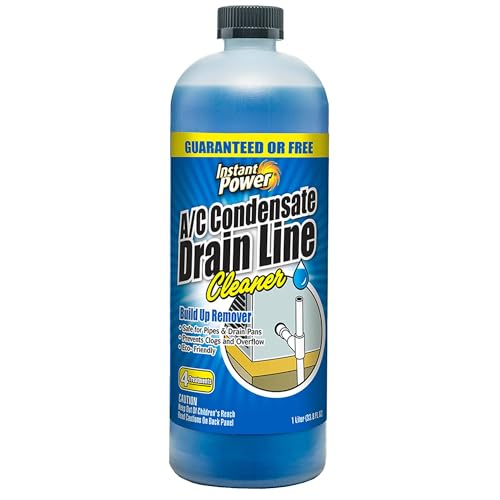
Instant Power A/C Condensate Drain Line Cleaner & Maintainer, 32 oz | Clears sludge, debris, mold, algae buildup to prevent AC & HVAC clogs, prevent condensate pan overflow, odors & water damage
Check price on Amazon
Modern Refrigeration and Air Conditioning
Check price on Amazon
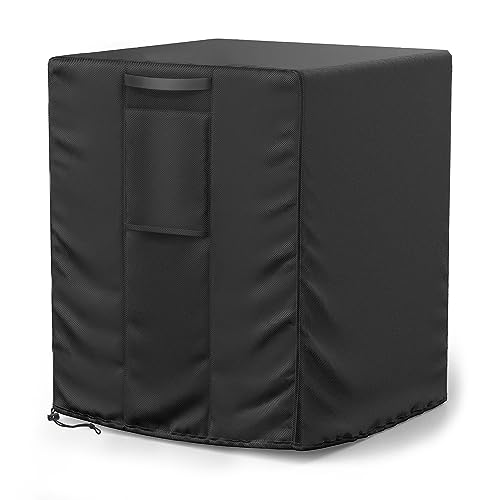
MODERN WAVE Central Air Conditioner Cover for Outside Units 36 x 36 - Top Universal Outdoor AC Cover Defender (Mesh, 36" x 36")
Check price on Amazon
Central Air Conditioner Covers for Outside Units 36'' x 36'', AC Mesh Covers for Outside Unit, AC Unit Cover Outdoor Air Conditioner Condenser Hvac Heat Pump Cover Breathable Top Universal Defender
Check price on Amazon
Whole House Air Freshener for HVAC Filter 6 Pack, Hotel Scent Freshener | Lasts Up to 4 Weeks, Peel and Stick Scent Pads, AC Vent Odor Eliminator, Whole Home Furnace Freshener, by Ash Harbor
Check price on Amazon