Air Conditioner Replacement Hose: Restore Your Cooling System
A worn or damaged hose can quietly drain your AC's efficiency. Discover how to identify the right replacement, understand hose types, and choose a reliable part before buying.
START THE GUIDEWhy the hose matters: Your air conditioner relies on hoses to move condensate water safely away and, in portable units, to exhaust hot air outdoors. A failing hose can cause water damage, reduced cooling, and even system shutdowns. This guide helps you understand exactly what to look for so you can purchase with confidence.
What Is an Air Conditioner Replacement Hose?
An air conditioner replacement hose is a flexible conduit used in HVAC systems to transport either condensate water or exhaust air. The two most common categories homeowners encounter are drain hoses (also called condensate lines) and exhaust hoses for portable units. Drain hoses carry moisture away from the evaporator coil to a floor drain or outdoors. Exhaust hoses, on the other hand, vent hot air from portable AC units through a window or wall opening.
Over time, hoses can crack, clog, or become brittle due to UV exposure, temperature fluctuations, or mineral buildup. Replacing a damaged hose is one of the most straightforward maintenance tasks that restores proper function. If your unit is leaking water or showing signs of not cooling effectively, the hose is a sensible first checkpoint.
Types of AC Replacement Hoses
Choosing the correct hose starts with identifying which role it plays in your system. Below is a breakdown of the main types you will encounter when shopping.
1. Condensate Drain Hoses
These hoses connect the indoor air handler or evaporator drain pan to a drainage point. They are typically made from clear vinyl, reinforced PVC, or flexible corrugated plastic. Clear vinyl models are popular because they allow visual inspection for algae or blockages. If you notice moisture near the indoor unit, a compromised drain hose may be the culprit — related issues are covered in our guide on AC pipe dripping water inside.
2. Portable AC Exhaust Hoses
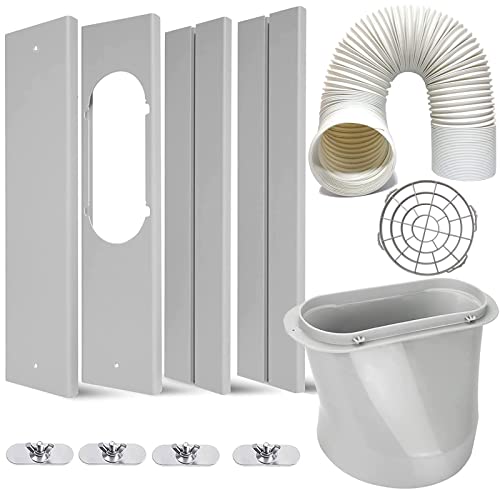
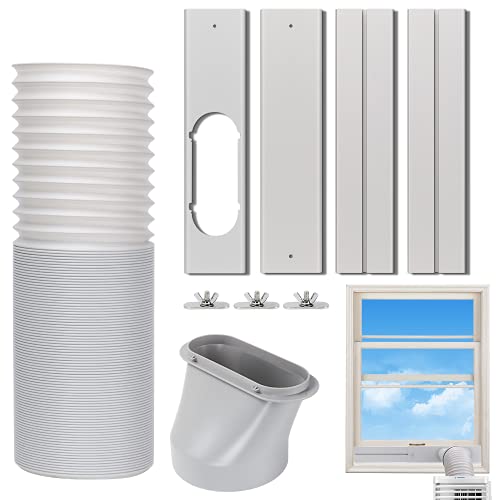
Portable air conditioners use a larger-diameter exhaust hose to expel hot air through a window kit. These hoses are usually 4 to 6 inches in diameter and made from layered materials for heat resistance. They must fit the unit's exhaust outlet securely to prevent hot air from recirculating. A loose or damaged exhaust hose is a common reason a portable unit feels like it is not cooling the room.
3. High-Pressure and Refrigerant Lines (Pro-Install Only)
Split and central systems also contain insulated copper line sets — sometimes referred to as refrigerant lines — but these are not user-serviceable hoses. They require licensed technicians and specialized tools. If you suspect a refrigerant line issue, refer to our article on condenser units and contact a professional.
Materials and Durability: What to Look For
The material of a replacement hose directly affects its lifespan and reliability. Here is how the common options compare:
| Material | Best For | Durability Tier | Key Traits |
|---|---|---|---|
| Clear Vinyl | Condensate drain lines | Entry-level to mid-range | Visual inspection, flexible, lightweight |
| Reinforced PVC | Long drain runs, high-traffic areas | Mid-range | Crush-resistant, smooth interior |
| Corrugated Plastic | Tight spaces, flexible routing | Entry-level | Bendable, easy to cut, budget-friendly within its class |
| Layered Aluminum/Polyester | Portable AC exhaust | Mid-range to premium | Heat-resistant, sturdy, maintains shape |
| High-Grade Silicone | High-temperature or premium setups | Premium | Extreme flexibility, long-term investment |
How to Size Your Replacement Hose
Getting the diameter and length right prevents leaks and ensures efficient operation. Follow these practical steps before ordering:
- Measure the connection point: Use a tape measure or caliper to find the inner diameter (ID) of the fitting where the hose attaches. Common drain hose sizes range from 3/8 inch to 1 inch; portable exhaust hoses are typically 4 to 6 inches.
- Account for routing: Measure the full path from the unit to the drain or window. Add a small buffer so the hose does not kink or stretch.
- Check the outlet type: Some hoses come with threaded ends, barbed fittings, or clamp-style connections. Match the fitting style to your unit.
- Consider slope for drains: Drain hoses must slope downward continuously. If your route is long, choose a slightly larger diameter to reduce clog risk.
Pro tip: Take a photo of the old hose and its connection points before removal. This makes it easy to compare specifications when shopping online or in a store.
Signs You Need a Replacement Hose
Recognizing the early warning signs can save you from larger repairs. Watch for these indicators:
- Visible cracks or brittleness: Aging vinyl becomes stiff and prone to splitting.
- Water pooling near the indoor unit: A cracked or disconnected drain hose is a frequent cause of water leaking inside walls or around the unit.
- Persistent clogs: If you clean the line repeatedly and it keeps backing up, the hose interior may be degraded.
- Hot air escaping indoors (portable units): A damaged exhaust hose lets heat back into the room, making the unit seem unable to blow cold air.
- Unusual noises: Rattling or whistling near the hose connection can indicate a loose or failing hose.
Buying Guide: Choosing the Right Replacement Hose
When you are ready to purchase, focus on fit, material quality, and compatibility. Here is a structured approach:
Step 1: Identify the Hose Role
Confirm whether you need a drain hose or an exhaust hose. Drain hoses are usually smaller and connect to the condensate pan, while exhaust hoses are larger and connect to the portable unit's rear outlet. Mixing these up leads to poor performance.
Step 2: Match the Specifications
Check the inner diameter, length, and fitting type. Many manufacturers list compatible models in the product description. If you are unsure, look for universal kits that include adapters and clamps — these are a solid choice for the tier and reduce the risk of mismatch.
Step 3: Evaluate Build Quality
Within each category, higher-tier hoses tend to use reinforced materials, smoother interiors, and more durable connectors. For drain lines, a smooth interior resists algae growth. For exhaust hoses, layered construction with heat resistance is a worthwhile investment for long-term use. If you are also addressing other maintenance items, our guide on drip pan replacement pairs well with hose upgrades.
Step 4: Check Compatibility With Your Unit
Some units require manufacturer-specific fittings. Review your manual or the model number before ordering. If you have a ductless mini-split, refer to our condenser and air handler overview to understand how the condensate path works.
Step 5: Plan the Installation
Most drain hose replacements are DIY-friendly. You will need a bucket, towels, and possibly a clamp or hose adapter. Always disconnect power before working near the unit. For exhaust hoses, ensure the window kit seals tightly around the hose to prevent hot air from re-entering. If your unit is constantly running but not cooling, a hose inspection is a smart early step.
Replacement Hose Tiers: Matching to Your Needs
To help you decide, here is a neutral tier framework based on typical market positioning. Remember that higher tiers generally offer better durability and fit precision, but a well-specified mid-range hose can serve most homes reliably.
| Tier | Best For | Typical Traits |
|---|---|---|
| Essential Tier | Short-term fixes, standard drain lines | Basic vinyl or corrugated plastic, simple fittings |
| Balanced Tier | Most residential drain and exhaust applications | Reinforced materials, universal adapters, good flexibility |
| Top-Tier | Long-term installations, high-use systems | Premium silicone or layered heat-resistant construction, precise fittings |
When comparing options, prioritize fit and material over cosmetic features. A balanced-tier hose with the correct diameter will outperform a premium hose that does not seal properly. If your system has broader performance issues, our guides on coolant and evaporator coils can help you diagnose the root cause.
Maintenance After Replacement
A new hose will last longer with minimal care. Follow these habits:
- Inspect the hose every few months for cracks, kinks, or discoloration.
- Flush drain lines with a mild vinegar solution seasonally to prevent algae buildup.
- Keep exhaust hoses free of sharp bends and ensure window seals remain tight.
- Check clamps and connections after extreme temperature changes.
If you notice recurring moisture issues after replacement, it may indicate a larger problem such as a clogged drain pan or a leak requiring repair. Addressing these early protects your system and your home.
Frequently Asked Questions
How do I know which hose my air conditioner needs?
Identify the hose's role first. If it carries water away from the indoor unit, it is a condensate drain hose. If it vents hot air from a portable unit, it is an exhaust hose. Measure the inner diameter and check your unit's manual for fitting type.
Can I use a universal replacement hose?
Yes, many universal kits include adapters and clamps to fit common sizes. However, always verify the diameter and connection style match your unit. For manufacturer-specific fittings, a dedicated replacement is the safer choice.
How often should I replace an AC hose?
There is no fixed schedule, but inspect hoses annually. Replace them when you see cracks, stiffness, persistent clogs, or leaks. Premium materials generally last longer than entry-level options.
Is a leaking hose an emergency?
It can become one if water reaches walls, ceilings, or electrical components. Shut off the unit and replace the hose promptly. If water has already caused damage, consult a professional and review our guide on water leaking through the ceiling.
Can a bad exhaust hose make my portable AC stop cooling?
Yes. If the exhaust hose is disconnected, torn, or poorly sealed, hot air recirculates into the room. This makes the unit appear to run but fail to cool. Check the hose and window seal first.
Before you buy: Confirm the hose type, measure the connection diameter, and check compatibility with your unit's model. A correctly sized, well-built replacement hose is a simple upgrade that restores efficient operation and protects your home from water damage.