Freon for HVAC: The Complete Refrigerant Guide
Understand what freon is, how it works inside your air conditioner, which refrigerant types are used today, and what to do when your system is low on charge.
START LEARNINGWhy this guide matters: Refrigerant is the lifeblood of your HVAC system. Understanding how it works, why levels drop, and what regulations apply helps you make informed decisions, avoid costly mistakes, and know when to call a certified technician.
What Is Freon for HVAC?
Freon is a brand name that has become a generic term for refrigerants used in air conditioning and refrigeration systems. In HVAC terminology, "freon" refers to the chemical fluid that circulates through your air conditioner's closed loop to absorb heat from indoor air and release it outdoors. The more accurate technical term is refrigerant.
Your air conditioner does not "use up" refrigerant the way a car uses fuel. In a healthy, properly sealed system, the refrigerant charge lasts for the entire lifespan of the equipment. When refrigerant levels drop, it almost always means there is a leak somewhere in the system. This is why simply "topping off" the refrigerant without fixing the leak is a temporary and often wasteful approach.
Understanding the role of refrigerant is essential for any homeowner. It connects directly to how your system cools, why the refrigerant cycle is central to performance, and why recharging freon should always follow a proper leak diagnosis.
How Refrigerant Works in Your AC System
Your air conditioner relies on a continuous cycle of phase changes to move heat. Here is the simplified sequence:
- Compression: The compressor pressurizes the refrigerant gas, raising its temperature.
- Condensation: The hot gas flows through the outdoor condenser coil, where it releases heat and condenses into a liquid.
- Expansion: The liquid passes through an expansion valve, which drops the pressure and temperature dramatically.
- Evaporation: The cold liquid enters the indoor evaporator coil, absorbs heat from your home's air, and turns back into a gas.
- Return: The gas travels back to the compressor, and the cycle repeats.
If you want a deeper technical breakdown of this process, our guide on the AC refrigerant cycle covers each stage with clear diagrams in text form. Understanding this cycle explains why a frozen evaporator coil or a compressor running but not cooling often points to a refrigerant-related issue.
Refrigerant Types Explained
Different refrigerants have been used over the decades. Each type has distinct properties, pressure characteristics, and environmental impacts. Here is a comparison of the most relevant types for residential HVAC today.
| Refrigerant | Chemical Family | Status | Best For |
|---|---|---|---|
| R-22 (HCFC-22) | Hydrochlorofluorocarbon | Phased out; legacy systems only | Older equipment installed before 2010 |
| R-410A (Puron) | HFC blend | Current standard; being phased down | Most systems installed 2010–2024 |
| R-32 | HFC (single component) | Growing adoption | New high-efficiency systems |
| R-454B | HFO/HFC blend | Emerging standard | Next-generation low-GWP equipment |
R-22 Systems
Older equipment still in service. Refrigerant supply is limited and reclaimed stock is the only compliant option. Plan for system replacement rather than long-term repair.
R-410A Systems
The workhorse refrigerant for the past decade. High pressure, requires specific equipment, and remains serviceable with existing stock during the transition.
R-32 / R-454B Systems
Lower global warming potential. New equipment is moving toward these refrigerants under federal guidelines. Consider them for new installations.
R-22 vs R-410A vs New Refrigerants
The shift from R-22 to R-410A was driven by ozone protection. The current shift from R-410A to R-32 and R-454B is driven by climate concerns. Here is what each transition means for homeowners:
- R-22 contains chlorine and depletes the ozone layer. Production and import in the United States ended in 2020. If your system uses R-22, repairs requiring refrigerant are increasingly difficult and the refrigerant itself is only available through reclaimed stock.
- R-410A does not deplete the ozone layer but has a high global warming potential (GWP). It operates at roughly 50–70% higher pressure than R-22, which is why components are not interchangeable between the two.
- R-32 has roughly one-third the GWP of R-410A and is a single-component refrigerant, which simplifies recycling. It is mildly flammable (A2L classification) and requires updated safety standards.
- R-454B is a blend with GWP around one-fifth of R-410A. It is also A2L classified and is being adopted by major manufacturers for new equipment.
If you are evaluating whether to repair or replace an older system, our guide on HVAC replacement walks through the decision factors. For systems that are still cooling but showing weakness, things to check when AC is not cooling can help you narrow down whether refrigerant is the culprit.
Important: You cannot mix refrigerants. R-410A cannot be used in an R-22 system, and R-32 cannot be topped off into an R-410A system. Each refrigerant requires matching equipment, lubricants, and service procedures.
Signs Your System Is Low on Refrigerant
Low refrigerant is almost always a symptom of a leak, not normal consumption. Watch for these indicators:
- Weak cooling: The air from your vents is cool but not cold, or cooling performance degrades over time. This overlaps with many other causes covered in AC blowing air but not cooling the house.
- Ice on the evaporator coil or refrigerant lines: Low pressure causes the coil temperature to drop below freezing, leading to frost buildup. See our frozen coils solution guide.
- Hissing or bubbling sounds: These can indicate refrigerant escaping through a leak point.
- Longer run cycles: The system runs continuously trying to reach the thermostat setpoint.
- Higher energy consumption: A system working harder with less refrigerant uses more electricity for the same cooling output.
- Ice on the outdoor unit: In severe cases, the condenser coil or suction line may frost over.
If you notice these signs alongside water leaking or compressor running but not blowing air, a professional diagnostic is the right next step. Our AC maintenance guide covers the routine checks that catch small issues before they become expensive.
When and How to Recharge Refrigerant
Recharging is not a routine maintenance task. It is a repair procedure that should only be performed after a leak has been located and fixed. Here is the correct sequence a certified technician follows:
- Diagnose the system: Measure superheat and subcooling, check pressures against manufacturer specifications, and inspect for visible oil residue at joints.
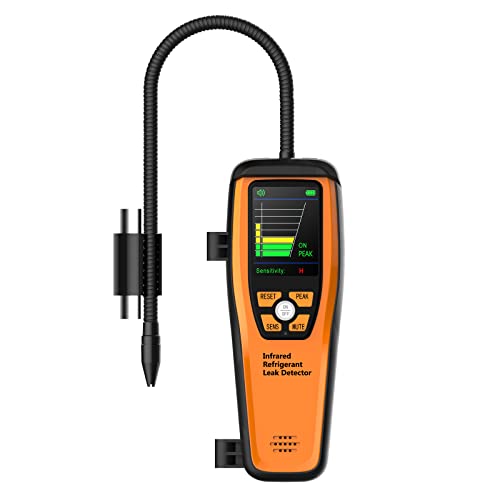
- Locate the leak: Use electronic leak detectors, UV dye, or pressure testing to find the exact leak point.
- Repair the leak: Depending on the location, this may involve brazing, replacing a Schrader valve, or replacing a failed component.
- Evacuate the system: A vacuum pump removes moisture and non-condensable gases. This step is critical and cannot be skipped. See air conditioning evacuation pump for background.
- Charge to specification: Weigh in the exact charge stated on the equipment nameplate, or use the manufacturer's charging chart.
- Verify performance: Confirm pressures, temperatures, and airflow meet specifications before finishing.
Our detailed guide on recharging freon in air conditioner expands on each step. For general background on air conditioning gas, including how it is supplied and handled, that reference covers the basics.
Safety and Legal Considerations
Refrigerant handling is regulated for good reason. Key points every homeowner should know:
- EPA Section 608 certification: Technicians who service, repair, or dispose of refrigerant-containing equipment must be certified. This applies to anyone who opens the refrigerant circuit.
- Venting is illegal: Knowingly releasing refrigerant into the atmosphere is prohibited under the Clean Air Act. This includes "bleeding" a line or purging during service.
- Personal safety: Liquid refrigerant can cause frostbite on contact with skin. Inhaling concentrated refrigerant vapor in an enclosed space displaces oxygen and can cause dizziness or asphyxiation.
- A2L refrigerants: R-32 and R-454B are classified as mildly flammable. Service procedures require specific tools, leak detection, and ventilation practices. Only trained technicians should handle them.
- Insurance and warranty: DIY refrigerant work can void manufacturer warranties and may not be covered by homeowner insurance if damage results.
For most homeowners, the practical takeaway is simple: refrigerant work is a job for a licensed professional. If you need to find qualified help, our guides on heating and air conditioning service companies and air conditioning companies near my location explain what to look for.
Preventive Maintenance Tips
While you cannot service refrigerant yourself, you can protect the system and catch problems early with these habits:
- Change air filters regularly: Restricted airflow can cause the evaporator coil to freeze, which mimics low refrigerant symptoms. See our AC maintenance guide for filter schedules.
- Keep the outdoor unit clear: Remove debris, leaves, and vegetation within at least two feet of the condenser coil.
- Schedule annual tune-ups: A technician checks pressures and temperatures, which can reveal a slow leak before it becomes a major failure. Our AC maintenance plan guide explains what a proper service visit includes.
- Watch for oil residue: Refrigerant oil often leaves a visible trace at leak points. During visual inspection of accessible lines, look for oily buildup near fittings.
- Do not ignore recurring issues: If your system needs refrigerant more than once, insist on a leak repair rather than a repeated recharge. Persistent issues often lead to air conditioning unit not blowing cold air.
For systems showing electrical symptoms alongside refrigerant concerns, our AC electrical problems guide covers the common overlaps.
Frequently Asked Questions
What is freon for HVAC?
Freon is a trade name that has become a generic term for refrigerants used in HVAC systems. It refers to the chemical compounds that circulate through your air conditioner to absorb heat from indoors and release it outdoors. Common modern refrigerants include R-410A and R-32, while older systems may still use R-22.
How often does an AC system need refrigerant?
A properly sealed AC system should never need refrigerant added. Refrigerant operates in a closed loop and is not consumed during normal operation. If your system is low on refrigerant, it indicates a leak that requires professional repair before recharging.
Can I buy and add freon myself?
In most jurisdictions, handling refrigerants requires EPA Section 608 certification. Releasing refrigerant into the atmosphere is illegal. Additionally, improper charging can damage your compressor and void warranties. Always hire a certified HVAC technician for refrigerant work.
What is the difference between R-22 and R-410A?
R-22 (HCFC-22) is an ozone-depleting refrigerant phased out under the Montreal Protocol. R-410A is a non-ozone-depleting HFC blend that replaced R-22 in new systems since 2010. R-410A operates at higher pressures and requires different equipment and service procedures.
Is R-410A being phased out?
Yes. Under the AIM Act, the EPA is transitioning away from high-GWP HFCs like R-410A. New systems now use lower-GWP refrigerants such as R-32 and R-454B. R-410A equipment can still be serviced with existing stock during the transition period.
How can I tell if my AC is low on refrigerant?
Common signs include weak cooling, ice on the evaporator coil or refrigerant lines, hissing or bubbling sounds, longer run cycles, and higher energy consumption. These symptoms can overlap with other issues, so a professional diagnostic is the only reliable way to confirm low refrigerant.
Does a refrigerant leak always mean I need a new system?
Not necessarily. Many leaks are repairable, especially if they are at accessible joints, valves, or coil connections. The decision depends on the leak location, system age, refrigerant type, and overall condition. A technician can advise whether repair or replacement makes more sense for your situation.
What is the difference between A1 and A2L refrigerants?
A1 refrigerants (like R-410A) are non-flammable. A2L refrigerants (like R-32 and R-454B) are mildly flammable and have lower burning velocity. A2L systems require updated safety standards, specific service tools, and technician training, but they offer significantly lower global warming potential.
Understanding refrigerant is one part of keeping your HVAC system efficient and reliable. For a broader view of system care, explore our AC maintenance guide and troubleshooting checklist. When repairs are needed, our guide on air conditioning repair places helps you find qualified service.