Air Conditioning Units for Small Spaces: A Practical Guide
Learn how to cool a studio apartment, bedroom, dorm room, or home office efficiently. Compare window, portable, and mini-split options and match capacity to your actual space.
START LEARNINGWho this guide is for: If you are searching for air conditioning units for small spaces, you already know you need focused cooling without taking over the room. What you need now is a clear comparison of the main options, guidance on sizing, and practical tips for installation in limited spaces. This guide gives you that so you can choose the right unit for your situation.
What Counts as a Small Space?
A "small space" in air conditioning terms usually refers to rooms between roughly 100 and 400 square feet. That covers studios, bedrooms, dorm rooms, home offices, small living rooms, and compact apartments. The challenge is that these rooms often have limited window area, shared walls, or restrictions on exterior modifications.
Cooling a small space efficiently is mostly about matching the right unit type and capacity to the room. An oversized unit will short cycle, which reduces comfort and humidity control. An undersized unit will run constantly and never quite catch up. Choosing correctly makes a noticeable difference in both comfort and long-term reliability.
If you are also considering whole-home comfort options in the future, the AC for large house guide provides the opposite perspective and helps you understand when a single room solution is not enough.
Main Unit Types for Small Spaces
There are three primary categories that work well in compact spaces: window units, portable units, and mini-split systems. Each has trade-offs in installation effort, space impact, and cooling efficiency.
Window Air Conditioners
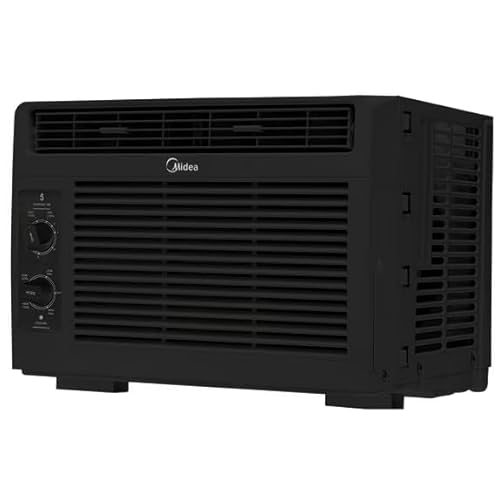
Window units are a long-standing choice for small rooms. They sit in a window frame and cool the room directly, which makes them efficient for single-room use. Many small-space options fall in the 5,000 to 10,000 BTU range. If you have a standard double-hung window, this is often the most straightforward installation.
Window types matter. If your window opens sideways or slides, you will need a specific configuration. The window air conditioner for sliding windows and window air conditioner for sliding glass door guides explain the options. Sideways-opening windows are also covered in window air conditioner for sideways windows.
Portable Air Conditioners
Portable units are freestanding and can be moved between rooms. They typically need a window connection for exhaust, which is where some installation care is required. Portables are a good fit for renters who cannot modify windows permanently, or for rooms where a window unit is not feasible.
Venting is the most common complication with portables. The window exhaust for portable air conditioner, window panel for portable air conditioner, and window vents for portable air conditioners pages explain the various venting solutions. There are also options that avoid the window entirely, which the portable AC unit that does not need a window overview covers.
Mini-Split Systems
Mini-split systems use an outdoor condenser and an indoor air handler connected by a small line set. They are more efficient than window or portable units and are much quieter indoors. The trade-off is installation: a mini-split requires professional installation and a small hole through the wall for the line set. For small spaces, a single-zone mini-split is often the most capable long-term option.
If you are comparing mini-split options, the ductless mini split air conditioning systems overview covers how the category works. For rooms where a single zone is not enough, the multi-zone ductless AC guide explains how multiple indoor units can share an outdoor condenser.
Window Units
Direct installation in a standard window. Efficient for single-room use, but window type matters.
Portable Units
Freestanding and movable. Requires window exhaust, with several venting options available.
Mini-Split Systems
Quietest and most efficient option. Requires professional installation and a small wall penetration.
Sizing for Small Spaces
Sizing a small space is more delicate than sizing a larger room because the tolerance for error is narrower. A unit that is slightly too large in a compact bedroom will short cycle frequently, leaving the air cool but clammy. A unit that is slightly too small will run nonstop during peak heat.
As a starting point, the table below provides typical capacity ranges by room size. These are general guidelines, not a substitute for a proper load calculation, especially in rooms with unusual heat sources, large windows, or poor insulation.
| Room Size | Typical Capacity Range | Typical Use |
|---|---|---|
| Up to 150 sq ft | 5,000 - 6,000 BTU | Small bedroom, dorm room, home office |
| 150 - 250 sq ft | 8,000 - 10,000 BTU | Standard bedroom, small studio |
| 250 - 350 sq ft | 10,000 - 12,000 BTU | Large bedroom, small living room |
| 350 - 400 sq ft | 12,000 - 14,000 BTU | Large studio, combined living and sleeping area |
If you want to review specific capacity categories, the 5,000 - 6,000 BTU and 8,000 - 10,000 BTU pages provide focused guidance. For a more detailed sizing method, the how to size an air conditioner overview covers the factors that drive the calculation.
Comparing the Options at a Glance
Each unit type suits a different situation. The table below summarizes the trade-offs so you can quickly see which category fits your room, budget, and installation constraints.
| Category | Installation | Best For |
|---|---|---|
| Window AC | Simple, but depends on window type | Standard double-hung windows and single-room cooling |
| Portable AC | Freestanding with window venting | Renters, rooms without suitable windows |
| Single-Zone Mini-Split | Professional installation required | Long-term installations, quiet operation, efficiency |
| Multi-Zone Mini-Split | Professional installation with multiple indoor units | Small homes with several rooms to cool |
Features That Matter in Small Spaces
In a compact room, small feature differences add up quickly. These are the features worth prioritizing when comparing models within the same tier.
Noise Level
Small rooms amplify sound. A unit that seems quiet in a large living room may feel loud in a bedroom. Look for models that publish decibel ratings and prioritize quieter options if the room is used for sleeping or work.
Physical Footprint
In a small space, every inch counts. Window units extend both inward and outward. Portable units occupy floor space. Mini-split indoor units are wall-mounted and use very little floor area. Consider where the unit will sit and how it affects furniture placement and walkways.
Dehumidification
Small rooms that feel cool but clammy usually have a humidity issue. Units with dedicated dehumidification modes or lower fan speeds can help. For broader context on indoor humidity targets, the what humidity level is good for a house overview is useful.
Smart Controls
Programmable and smart thermostats make a big difference in efficiency for rooms that are not used all day. Scheduling the unit to run before you return is a common comfort improvement. If you are comparing smart features more broadly, the mini split remote thermostat overview explains how external controls can be integrated with mini-split systems.
Installation Notes for Compact Rooms
Installation details vary by unit type, but a few considerations apply across the board in small spaces.
- Window condition: Confirm the window frame is secure and can support the unit's weight. Older windows may need reinforcement.
- Electrical capacity: Check that the outlet and circuit can handle the unit's electrical draw. Larger units may need a dedicated circuit.
- Drainage: Both window and portable units produce condensate. Plan where the water will go.
- Clearance: Portable units need space around them for airflow. Window units need clearance outside.
- Sealing: Gaps around window installations let hot air in. Use the included sealing panels and insulation strips.
For more detailed installation guidance across unit types, the window mounted air conditioning unit overview covers the window installation process. The mobile air conditioner universal adjustable window sealing plate guide is useful if you need a better sealing solution for a portable unit.
Efficiency in Small Spaces
Efficiency gains in a small room often come from the right unit type more than from a specific rating. A window or mini-split unit placed in the room it cools is inherently more efficient than a portable unit that must exhaust air through a window, because portable units can draw some cooled air out along with the exhaust.
If efficiency is a priority, the most efficient portable air conditioner guide explains what to look for in the portable category. The window air conditioner energy efficiency rating overview covers the equivalent for window units.
Common Small-Space Cooling Issues
Even a well-matched unit can develop issues. The table below maps common symptoms to likely causes and next steps.
| Symptom | Possible Cause | Next Step |
|---|---|---|
| Cool air but room feels damp | Unit cycling too quickly or oversized | Review sizing or use a dehumidification mode |
| Weak airflow | Clogged filter or blocked vents | Clean the filter and check for obstructions |
| Unit runs constantly | Undersized for the room or heat gain | Review insulation and shade options |
| Water pooling near the unit | Clogged drain or incorrect installation angle | Check drain path and installation level |
| Noise or vibration | Loose panel or unstable mounting | Recheck mounting and tighten fittings |
If cooling stops entirely, the things to check when AC is not cooling overview provides a useful checklist. For water-related problems, the air conditioning unit leaking water guide covers the most common causes.
Related Considerations
A few related topics come up frequently during small-space cooling projects and are worth reviewing alongside unit selection.
- Window type constraints: Confirm your window opens the right way before choosing. The sideways window guide covers an important edge case.
- Units without exterior support: Some spaces cannot accept a window unit or mini-split. The air conditioning unit without external unit overview covers alternatives.
- Rental restrictions: Renters often need non-permanent options. Portable and window units are usually the practical choice.
- Maintenance: Even small units benefit from regular care. The AC maintenance guide explains the essentials.
Frequently Asked Questions
What size AC do I need for a small bedroom?
Most small bedrooms under 150 square feet use a 5,000 to 6,000 BTU unit. Bedrooms between 150 and 250 square feet typically use 8,000 to 10,000 BTU. Consider sun exposure and insulation before finalizing.
Is a portable AC or window AC better for a small apartment?
Window units are generally more efficient and require less floor space. Portable units are more flexible for renters and for rooms where window installation is not possible. The better choice depends on your window situation and whether you plan to move the unit between rooms.
Can I install a mini-split in a rental apartment?
Mini-splits require a permanent wall penetration and professional installation, so landlord approval is essential. Many renters instead choose window or portable options because they are removable.
Why does my small room feel cold but humid?
This usually means the unit is oversized for the room and is cycling off before it can remove moisture. It can also be caused by airflow issues or a very humid climate. Review sizing and consider a unit with a dedicated dehumidification mode.
Do I need a professional for a mini-split installation?
Yes. Mini-split installation involves refrigerant handling, electrical connections, and a wall penetration. Proper installation is essential for efficiency, safety, and warranty coverage. The ductless mini split air conditioner installation overview explains what to expect during the process.
Ready to Compare Small-Space Units?
Review recommended air conditioning units for small spaces, then check availability and features that fit your room and installation constraints.
EXPLORE OPTIONS