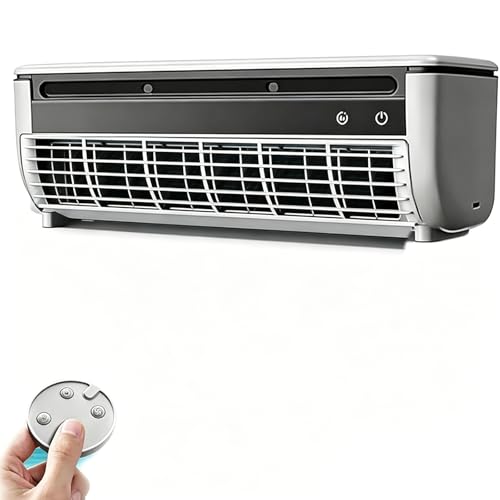
Air Conditioning Unit on the Wall: Complete Buyer's Guide
Everything you need to know about wall-mounted AC systems — from through-the-wall units to ductless mini-splits — so you can choose the right cooling solution with confidence.
Explore Wall AC TypesWhy a wall air conditioning unit? Wall-mounted air conditioners are a practical solution for homeowners who want efficient, targeted cooling without the bulk of a window unit or the complexity of full ductwork. This guide walks you through the major wall AC categories, sizing calculations, efficiency ratings, installation considerations, and maintenance essentials — so you can make an informed decision before you buy.
What Is a Wall Air Conditioning Unit?
A wall air conditioning unit is a cooling system designed to be mounted directly on or inside a wall. Unlike portable units that sit on the floor or window units that occupy a window frame, wall-mounted systems offer a cleaner, more permanent installation. There are two broad families:
- Through-the-wall AC units — a self-contained system installed through an exterior wall opening, with the evaporator side indoors and the condenser side outdoors. These are essentially window units adapted for wall installation and are common in older homes, hotels, and apartments.
- Ductless mini-split wall units — a split-system where the indoor air handler is mounted high on a wall and connects via refrigerant lines to an outdoor compressor. These are quieter and more efficient than through-the-wall units and are ideal for rooms without ductwork.
Both formats can be effective, but they serve different needs. Through-the-wall models are typically entry-level to mid-range in terms of complexity and are suited to single-room cooling, while mini-split wall units range from mid-range to premium and can serve multiple rooms with a single outdoor unit. If you are exploring broader alternatives, our guide to air conditioning units that do not need a window covers additional configurations.
Types of Wall-Mounted Air Conditioners
Understanding the distinct wall AC categories helps you match the system to your room, wall construction, and long-term goals. Here is a breakdown of the main types you will encounter.
Through-the-Wall AC
A single packaged unit installed through an exterior wall sleeve. It is a solid choice for single rooms and works well where window space is limited. Installation requires cutting or using an existing wall sleeve. These units are typically entry-level to mid-range in the through-the-wall category and are straightforward to replace when the time comes.
Ductless Mini-Split Wall Unit
A high-wall indoor air handler paired with an outdoor compressor. Mini-splits are quieter and more efficient than packaged units and offer precise temperature control. They are a strong mid-range choice for bedrooms, living rooms, and home offices. Multi-zone systems let you cool several rooms from one outdoor unit.
Wall-Mounted Inverter Heat Pump
A premium wall unit that provides both cooling and heating with variable-speed inverter technology. These systems deliver excellent seasonal efficiency, low noise, and stable temperatures. They are a long-term investment suited to homeowners who want year-round comfort from a single wall-mounted system.
When comparing these options, consider how each aligns with your room layout and usage. A living room wall AC may benefit from a higher-capacity mini-split, while a bedroom might be well served by a quieter through-the-wall or small mini-split unit. If you are weighing wall installation against window-based options, our overview of wall-friendly AC solutions provides useful context.
How to Size a Wall Air Conditioning Unit
Correct sizing is the single most important factor in comfort and efficiency. An undersized unit runs constantly and struggles to reach the set temperature, while an oversized unit short-cycles, leaving the room clammy and wearing out components faster. The basic rule of thumb is 20 BTU per square foot of living space, adjusted for ceiling height, sun exposure, occupancy, and appliance heat load.
| Room Size | Recommended Capacity | Typical Wall AC Category | Best For |
|---|---|---|---|
| Up to 150 sq ft | 5,000 – 6,000 BTU | Small through-the-wall or mini-split | Bedrooms, small offices |
| 150 – 250 sq ft | 8,000 – 10,000 BTU | Mid-capacity through-the-wall | Medium bedrooms, studios |
| 250 – 400 sq ft | 12,000 – 14,000 BTU | Mid-range mini-split | Living rooms, open-plan spaces |
| 400 – 600 sq ft | 18,000 – 24,000 BTU | High-capacity mini-split | Large rooms, multi-zone setups |
| 600+ sq ft | 24,000+ BTU | Multi-zone or high-end tier | Whole-floor or open layouts |
For a more precise calculation, factor in ceiling height above 8 feet, direct sun exposure, and the number of occupants. Our detailed AC sizing guide and BTU calculator by room size can help you fine-tune the numbers. If your unit is running but not reaching the target temperature, review our troubleshooting resource on an air conditioner running but not cooling.
Efficiency Ratings and Operating Considerations
Efficiency determines how much cooling you get per unit of electricity. For wall units, the key metrics are SEER (Seasonal Energy Efficiency Ratio) and, for heat-pump models, HSPF (Heating Seasonal Performance Factor). Higher ratings generally mean lower long-term energy use, though the best choice depends on your climate and how often the unit runs.
SEER Rating
SEER measures cooling efficiency over a season. Entry-level through-the-wall units typically sit at the lower end of the efficiency spectrum, while mid-range to high-end mini-splits often deliver substantially higher SEER values. Look for ENERGY STAR certification if efficiency is a priority.
Inverter Technology
Inverter-driven compressors vary their speed to match the load rather than cycling on and off. This results in steadier temperatures, quieter operation, and better efficiency. Inverter wall units are a strong long-term investment for rooms used daily.
Energy Star & Rebates
ENERGY STAR certified wall units meet stricter efficiency criteria and may qualify for utility rebates or tax credits. Check local programs before purchasing. Our ENERGY STAR AC guide explains the certification in detail.
Practical tip: A high-efficiency wall unit paired with a programmable thermostat and routine filter cleaning will usually outperform a lower-efficiency unit that is poorly maintained. Efficiency is a system, not just a label.
Installation Considerations for Wall AC Units
Wall AC installation ranges from a straightforward sleeve replacement to a more involved mini-split setup. Before you commit, confirm the following:
- Wall construction and structural support: Through-the-wall units require a properly framed opening and a secure sleeve. Mini-splits need a solid interior wall for the air handler and a suitable exterior location for the condenser.
- Electrical requirements: Check the circuit capacity and whether a dedicated line is needed. Many wall units run on 110V, but larger mini-splits and heat pumps often require 240V. Our guide to 110V vs 240V AC units covers this in detail.
- Permits and codes: Some jurisdictions require a permit for new wall openings or HVAC installations. Review how to get an AC permit before scheduling work.
- Placement and airflow: The indoor unit should be positioned to distribute air across the room without blowing directly on occupants. Outdoor units need clearance for airflow and service access.
For a deeper walkthrough of the process, see our guides on indoor and outdoor placement and how to choose an HVAC contractor. If you prefer a professional installation, getting a detailed quote is worthwhile — our resource on installation estimates explains what to expect.
Maintenance Essentials for Wall Air Conditioners
Wall units are exposed to dust, pollen, and seasonal debris, so routine maintenance is essential. A well-maintained unit cools better, uses less energy, and lasts longer.
| Task | Frequency | Why It Matters |
|---|---|---|
| Clean or replace the air filter | Every 30–60 days | Restores airflow and efficiency; prevents frozen coils |
| Clean the evaporator and condenser coils | Annually | Maintains heat transfer and lowers energy use |
| Check the condensate drain | Seasonally | Prevents water leaks and mold growth |
| Inspect and tighten electrical connections | Annually by a technician | Reduces fire risk and ensures stable operation |
| Professional tune-up | Once per year | Catches small issues before they become failures |
If your wall unit is leaking water, making unusual noises, or failing to cool, do not ignore the warning signs. Our resources on air conditioning unit leaking water and unit not cooling properly can help you diagnose common issues. For seasonal checklists, see our seasonal AC checklist and service and maintenance guide.
Pros and Cons of Wall Air Conditioning Units
Advantages
- Space-saving: no floor footprint and no window obstruction
- Cleaner aesthetic than window units
- Mini-splits are quiet and highly efficient
- Zoned cooling for individual rooms
- No ductwork required for mini-split systems
- Permanent installation adds convenience
Considerations
- Through-the-wall units require cutting an exterior wall
- Mini-splits need a professional installation
- Higher upfront complexity than portable units
- Outdoor unit placement can be restrictive in some homes
- Through-the-wall units can be noisier than mini-splits
Who Should Choose a Wall Air Conditioning Unit?
Wall AC units are a good fit for:
- Homeowners with limited window space who want to keep windows unobstructed.
- Rooms without ductwork where a mini-split can deliver targeted comfort. See our guide to AC options for homes without ductwork.
- Apartment and condo residents who need a permanent, space-efficient solution. Our small apartment AC guide covers related options.
- Home offices and bedrooms where quiet, zoned cooling is valuable. See our home office AC guide.
- Property managers and hospitality settings that prefer through-the-wall units for their serviceability.
If your goal is to cool a larger area, a single wall unit may not be enough. Explore why a single unit may not cool the whole house and consider multi-zone options or a whole-house solution.
How to Choose the Right Wall AC Unit
Use this checklist to narrow your options:
- Capacity: Match BTU to room size, with adjustments for sun and occupancy.
- Type: Through-the-wall for simplicity and single-room cooling; mini-split for quiet efficiency and zoning.
- Efficiency: Prioritize higher SEER and inverter technology for daily use.
- Noise level: Mini-splits are generally quieter; check decibel ratings for bedrooms.
- Smart features: Wi-Fi control and programmable scheduling improve convenience. See our guide to Wi-Fi AC features.
- Installation requirements: Confirm wall structure, electrical capacity, and permits.
- Warranty and service: A solid warranty and accessible service network matter for long-term ownership.
For a broader comparison of wall-mounted options against other formats, review our pages on through-the-wall AC and ductless mini-split AC.
Frequently Asked Questions
What is the difference between a through-the-wall AC and a mini-split?
A through-the-wall unit is a single self-contained system installed through an exterior wall. A mini-split has a separate indoor wall-mounted air handler and an outdoor compressor, offering quieter operation and higher efficiency. Mini-splits are generally mid-range to premium in the market, while through-the-wall units span entry-level to mid-range.
Can I install a wall AC unit myself?
Replacing an existing through-the-wall unit in the same sleeve is often a DIY-friendly task. Cutting a new wall opening or installing a mini-split system typically requires a licensed HVAC technician, especially for refrigerant handling and electrical work.
How many BTU do I need for a wall unit?
As a starting point, use 20 BTU per square foot. A 200 sq ft room generally needs around 8,000–10,000 BTU, while a 400 sq ft room needs roughly 12,000–14,000 BTU. Adjust upward for high ceilings, direct sun, and heavy occupancy.
Are wall AC units energy efficient?
Efficiency varies by type. High-end inverter mini-splits are among the most efficient wall-mounted options, while through-the-wall units vary widely. Look for ENERGY STAR certification and higher SEER ratings to reduce long-term energy use.
How often should a wall AC unit be serviced?
Clean or replace the filter every 30–60 days during cooling season and schedule a professional tune-up once a year. Regular servicing keeps the unit efficient and extends its lifespan. See our service and repair guide for more detail.
Can a wall AC unit heat as well as cool?
Some wall-mounted units are heat pumps that provide both cooling and heating. Inverter heat pump models are a strong high-end tier option for year-round comfort. Check the HSPF rating if heating performance matters in your climate.
Final Thoughts
A wall air conditioning unit is a practical, space-efficient solution for targeted room cooling. Through-the-wall models offer simplicity and a permanent installation, while ductless mini-splits deliver quieter, more efficient performance and the flexibility of zoning. Whichever route you choose, sizing correctly, prioritizing efficiency, and keeping up with maintenance will determine how satisfied you are over the long run.
Use this guide to compare categories, confirm your room requirements, and prepare for installation. When you are ready, explore the recommended wall AC units below to find the right fit for your space.