Air Conditioning Units for Casement Windows
Casement windows crank outward and leave no horizontal sill for a traditional window AC. This guide explains the cooling options that actually fit, how to seal them properly, and how to choose the right unit for your room.
EXPLORE YOUR OPTIONSQuick answer: A standard double-hung window air conditioner will not fit a casement window. The practical alternatives are a portable AC with a casement vent kit, a ductless mini-split, or a specialty casement window unit built with a narrow vertical profile. The right pick depends on your room size, whether you own the property, and how much installation work you are willing to take on.
Why Standard Window ACs Do Not Fit Casement Windows
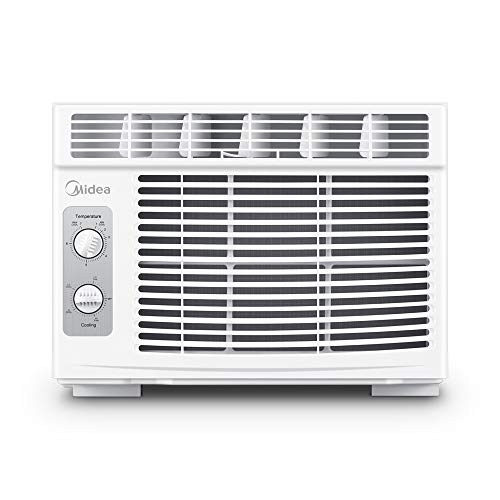
Casement windows are hinged on the side and open outward with a crank. When closed, the sash sits flush in the frame with no bottom sill wide enough to support an air conditioner. A conventional window unit relies on the lower sash to rest the unit's weight and to clamp the unit in place. That structure simply is not present on a crank window.
There are three practical consequences to understand before you shop:
- No load-bearing sill. The unit has nothing solid to sit on, so it cannot be supported safely.
- Vertical opening only. The sash swings outward and the opening is narrow, which rules out the wide horizontal footprint of a standard window AC.
- Security and weather sealing. An open casement sash is easy to force from outside and difficult to seal around a bulky unit, which lets hot air and insects back in.
If you have already tried a conventional unit and it is underperforming, the problem may be airflow or installation rather than the unit itself. Our guide on an air conditioning unit that is not cooling properly walks through the common causes step by step.
The Three Cooling Options That Work With Casement Windows
Each option below solves the mounting problem differently. None of them is universally best; they trade installation effort, efficiency, and long-term durability against each other. The tier labels describe relative market position, not a ranking of quality.
Portable AC with Casement Vent Kit
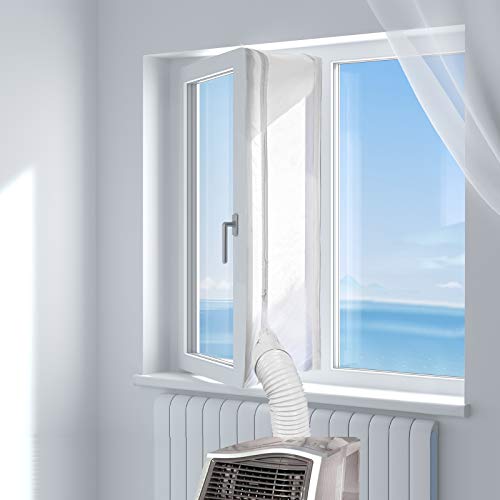
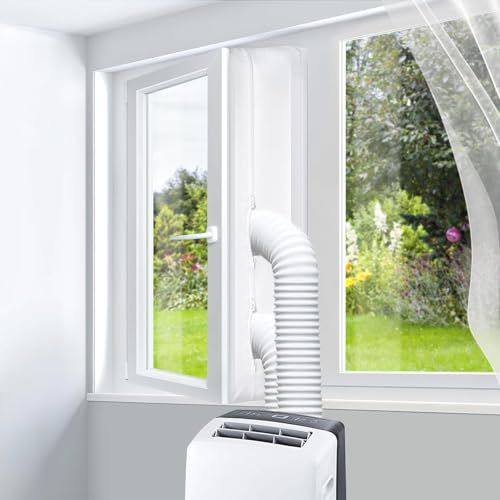
A freestanding unit rolls into the room and exhausts hot air through a hose routed to the window opening. A fabric or rigid panel seals the gap around the hose.
- Easiest to set up and move between rooms
- No permanent modification to the window
- Renter-friendly
- Slightly lower efficiency than fixed units
- Requires careful sealing to work well
Ductless Mini-Split System
A wall-mounted indoor head connects to an outdoor compressor through a small hole in the wall. The casement window stays fully closed and functional.
- Strong cooling capacity and quiet operation
- High energy efficiency in the long run
- No window obstruction or security compromise
- Professional installation required
- Higher upfront investment
Casement Window AC Unit
A purpose-built unit with a narrow vertical body and brackets designed to sit in a crank window opening. Availability is limited compared with standard window units.
- Keeps the window opening usable for the unit
- No floor space consumed
- Narrow selection of models and capacities
- Installation still requires custom sealing
- Often limited to smaller room capacities
If you want a broader comparison of the portable category before deciding, our overview of the air conditioning unit covers the main form factors and how they differ in real-world use. For a smaller space such as a studio or single bedroom, the guide to air conditioning units for small spaces is a useful companion read.
Side-by-Side Comparison
The table below summarizes how each option behaves across the factors that matter most for a casement window installation.
| Option | Best For | Installation Effort | Window Usability | Efficiency |
|---|---|---|---|---|
| Portable AC + casement vent kit | Renters and single rooms | Low; DIY in under an hour | Window stays partly open with a seal panel | Moderate; single-hose models lose some cooling |
| Ductless mini-split | Whole-home or long-term comfort | High; licensed installer needed | Window stays fully closed and functional | High; inverter models excel in the long run |
| Specialty casement window AC | Small to medium rooms with a dedicated window | Moderate; brackets and custom sealing | Window is occupied by the unit | Good for the category; limited model range |
Sizing the Unit to Your Room
Casement windows are common in older homes, sunrooms, and bedrooms, and those rooms vary widely in size. Undersizing leaves the room humid and warm on peak days; oversizing cools too quickly without removing humidity, which feels clammy. A rough starting point is 20 BTU per square foot of floor area for an average ceiling and moderate climate, then adjust upward for strong sun exposure or a kitchen, and downward for heavy shade.
For reference, a 150 square foot bedroom usually sits in the 5,000 to 6,000 BTU range, while a 400 square foot living area moves toward 12,000 to 14,000 BTU. Our detailed guide on the 5,000 BTU air conditioning unit explains how small-capacity units perform in real rooms, and the 10,000 BTU air conditioning unit breakdown covers the mid-size range that fits most open-plan spaces.
Portable units are often rated at a higher BTU figure than they deliver in practice, so choose a model rated slightly above your calculated need. Mini-splits and specialty casement units tend to match their rated capacity more closely.
Installing a Portable AC in a Casement Window
A portable unit is the most accessible option for most households. The sequence below keeps the installation safe and the seal effective.
- Measure the window opening. Record the width and height of the clear opening with the sash cranked fully open. Vent kits are sized to these dimensions, and a poor fit is the most common reason a portable AC underperforms.
- Choose a casement-specific vent panel. Standard sliding-window panels are horizontal and will not seal a vertical opening. Look for a fabric seal with a hose port or a rigid vertical panel sized for crank windows.
- Position the unit near the window. Keep the exhaust hose as short and straight as possible. Every bend and every extra foot of hose reduces cooling delivered to the room.
- Seal the perimeter. Use the panel's adhesive strips, foam gaskets, or weatherstripping to close gaps around the sash and the panel. Any leak pulls hot outdoor air back in and defeats the unit.
- Secure the window against opening. A casement crank can be operated from outside in some installations. Add a window lock or a cut-to-length dowel in the track so the sash cannot be forced wider.
- Drain condensate properly. Most portable units collect water. Confirm whether the model uses a gravity drain, a self-evaporative system, or a manual tank, and plan for it before the first humid week.
If water pooling becomes a recurring issue after installation, the troubleshooting guide on an air conditioning unit leaking water explains the usual causes, from a clogged drain to a tilted unit.
Common Mistakes to Avoid
Most casement window cooling problems trace back to one of the following errors. Avoiding them is more effective than upgrading the unit later.
Forcing a standard window unit into the frame
The unit has no support and can fall outward. It also voids most warranties and can crack the sash or frame.
Skipping the seal around the vent panel
An unsealed gap lets hot air in faster than the unit can cool it. The room stays warm and the compressor runs constantly.
Buying by BTU alone
Portable AC ratings are not directly comparable to window or mini-split ratings. Room size, sun exposure, and hose length all matter.
Ignoring the security risk
A propped-open casement sash is an entry point. A lock or track stop is a small addition with a large safety payoff.
Keeping the Unit Efficient Season After Season
Casement setups collect dust and pollen quickly because the vent panel sits in an open sash. Rinse or vacuum the intake filter every two to four weeks during cooling season, and check the exhaust hose for kinks each time you reposition the unit. A unit that is struggling to push air is usually a dirty filter, not a failing compressor.
For mini-splits, schedule a professional coil cleaning once a year and clear the condensate line before the first hot week. Our guide to air conditioning service and maintenance covers the seasonal checklist in more detail, and the air conditioning unit cleaning article explains which tasks are safe to handle yourself.
When to Bring In a Professional
Portable AC maintenance is a DIY task. Mini-split installation, refrigerant line work, and electrical connections are not. If you choose a mini-split, the installation involves a wall penetration, vacuuming the line set, and often a dedicated circuit. Hiring a licensed technician protects the warranty and ensures the system is charged correctly, which has a direct effect on efficiency for the life of the unit.
If an existing system stops cooling after installation, the cause is often airflow, refrigerant, or a tripped breaker. The guide on an air conditioning unit not blowing cold air separates the fixes you can try yourself from the ones that need a technician, and the unit blowing hot air article covers the cases where the compressor or reversing valve is involved.
Frequently Asked Questions
Can you install a standard window air conditioner in a casement window?
What is the best type of air conditioner for a casement window?
Can a portable air conditioner work with a casement window?
Do casement window air conditioners need special brackets?
Are ductless mini-splits a good alternative for casement windows?
Will a portable AC cool a room as well as a window unit?
Ready to Choose Your Casement Window Cooling Solution?
You now know which unit types fit a crank window, how to size the capacity, and what a proper installation looks like. Browse the recommended models below, or explore our related guides on small-space cooling and mini-split systems.
View Recommended Units