Air Duct Cleaning Companies: How to Choose the Right Provider
Your HVAC ducts circulate air through every room in your home. Understanding what reputable duct cleaning companies actually do, how they work, and what to verify before you book helps you protect your indoor air quality and your HVAC system.
Read the GuideResearch-first approach: Duct cleaning is not a one-size-fits-all service. Some homes benefit greatly, while others need only inspection and filtration improvements. This guide explains the industry standards, service tiers, and verification steps so you can make a confident, informed hiring decision.
What Air Duct Cleaning Companies Actually Do
Professional duct cleaning is a source-removal process. The goal is to dislodge and extract accumulated debris — dust, pet hair, construction residue, pest remnants, and microbial growth — from the interior surfaces of the ductwork, registers, grilles, and connected HVAC components. The best firms treat the entire air distribution system as one unit rather than only vacuuming the visible grilles.
A thorough service typically covers the supply and return ducts, the air handler, the blower compartment, evaporator coils, drain pans, and accessible plenum areas. Companies with full air conditioning cleaning service capability often combine duct work with coil cleaning, since contaminated coils undermine any duct cleaning effort.
Contractors that also handle broader HVAC upkeep — such as an air conditioning tune-up service — can inspect the system while cleaning, which is useful for catching airflow restrictions early.
When Duct Cleaning Is Worth Scheduling
Industry guidance does not require routine cleaning on a fixed calendar for every home. The decision should follow evidence. Consider hiring a duct cleaning company when you notice one or more of the following:
- Visible dust or debris blowing from supply registers shortly after cleaning the home
- Persistent musty or stale odors coming from vents when the system runs
- Visible mold growth inside ductwork or on nearby components (confirm with an inspection)
- Recent renovation, remodeling, or HVAC installation that introduced construction dust
- Rodent or insect activity inside ducts or around the air handler
- Household members with allergies or respiratory sensitivities that worsen indoors
- Long intervals since the last documented cleaning, especially with pets in the home
If none of these apply, an inspection-first approach is reasonable. Reputable companies will tell you honestly when cleaning is not necessary, and that transparency is itself a quality signal.
Service Tiers in the Duct Cleaning Market
Duct cleaning companies vary widely in equipment, methodology, and scope. Instead of comparing quoted figures, evaluate providers by their service tier. The classification below is relative and helps you match a company's offering to your situation.
Basic Surface Cleaning
Entry-level service focused on accessible registers and visible sections. Useful for light maintenance in clean homes, but limited in reach and documentation.
Source-Removal Cleaning
Mid-range providers using negative-pressure vacuums and rotary agitation tools across the full duct run, with before-and-after inspection photos.
Full-System Restoration
High-end tier combining duct cleaning, coil and air handler cleaning, sanitization where appropriate, and detailed reporting for sensitive environments.
| Tier | Best For | Typical Scope | What to Verify |
|---|---|---|---|
| Essential tier | Maintained homes with light dust | Register and accessible duct cleaning | Basic vacuum equipment and home protection |
| Balanced tier | Homes with pets, allergy concerns, or moderate buildup | Full duct run cleaning with agitation and negative pressure | NADCA-aligned procedures and photo documentation |
| Professional-grade | Post-renovation, mold remediation, or commercial spaces | Complete system cleaning including coils and air handler | Certifications, containment protocols, and written reports |
Cleaning Methods Used by Reputable Companies
Understanding the equipment helps you evaluate what a company proposes. A single-pass vacuum of the grilles is not equivalent to whole-system cleaning.
Negative-Pressure Vacuum Collection
A high-powered vacuum unit connects to the duct system and creates negative pressure so dislodged debris is captured rather than released into living spaces. This is a baseline requirement for professional-grade work.
Rotary Brush and Air Agitation
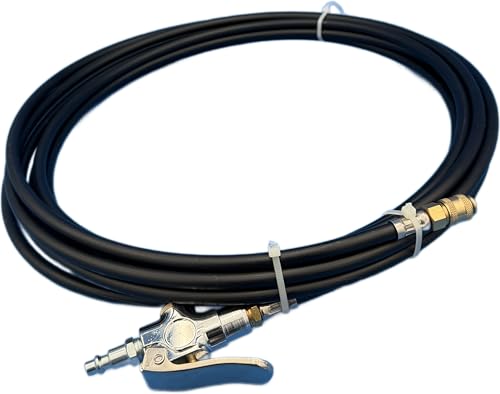
Rotary brushes, whips, and compressed-air tools physically loosen debris from duct walls. Combined with negative pressure, agitation is what makes source removal effective in long duct runs.
Contact Vacuuming and Manual Cleaning
For short runs, plenums, and air handler interiors, technicians use contact vacuums with HEPA filtration and manual cleaning tools to reach surfaces that push-pull equipment cannot access.
Sanitization — When and When Not
Chemical fogging or antimicrobial application should not be a default upsell. It is appropriate only after physical cleaning when microbial contamination has been confirmed, and the product used must be registered for HVAC use. Be wary of companies that lead with fogging before cleaning.
Companies that also provide broader maintenance — for example, an annual maintenance contract — often integrate duct inspection into routine service visits, which keeps records continuous over time.
Certifications and Credentials to Look For
The air duct cleaning industry has a recognized professional body: the National Air Duct Cleaners Association (NADCA). Firms that hold NADCA certification, and technicians who hold individual certifications, have demonstrated knowledge of assessment, source removal, and safety practices.
Additional credentials worth confirming include:
- Active business license and liability insurance
- EPA awareness where antimicrobial products are used
- Written scope of work and a clear inspection-first policy
- Verifiable reviews and photo documentation from past jobs
A company handling related HVAC work — such as an air conditioning replacement company — may also offer duct cleaning as an add-on, but confirm they use dedicated duct cleaning equipment rather than general service vacuums.
How to Compare Air Duct Cleaning Companies
Rather than choosing on quoted figures alone, evaluate providers against a consistent checklist. The following verification steps apply to any tier.
Pre-Hire Verification Checklist
- Confirm NADCA certification or equivalent professional training
- Ask whether they perform source removal or only surface cleaning
- Request a written scope of work listing every component to be cleaned
- Ask how they protect floors, furniture, and HVAC components during service
- Confirm they inspect before and after and provide photographic evidence
- Ask about containment and HEPA filtration to prevent cross-contamination
- Verify insurance and licensing before scheduling
- Ask whether coils, drain pan, and air handler are included or separate
- Clarify what happens if they find mold or pest damage mid-service
- Get the scope and deliverables in writing before any work begins
Homeowners who are also planning broader HVAC upgrades should sequence projects carefully. Duct cleaning after a system change makes more sense than before; providers that handle central air conditioning system installation can advise on timing so new components are not contaminated by old duct debris.
Red Flags to Watch For
Some practices signal a company that is unlikely to deliver real source removal. Treat the following as caution signs:
- Pressure to clean ducts sight unseen, without any inspection
- Claims of health benefits that go beyond evidence-based indoor air quality improvements
- Offers of antimicrobial fogging as the primary or only service
- No written scope, no documentation, or refusal to show before-and-after evidence
- Technicians who cannot explain their equipment or method
- Bait-and-switch advertising where the delivered service differs from the advertised one
Legitimate companies welcome questions and will explain their process clearly. If a provider cannot describe what they will do and how they will prove it, look elsewhere.
How Duct Cleaning Fits Into Overall HVAC Care
Duct cleaning is one component of a healthy air distribution system. It works best alongside proper filtration, sealed ducts, controlled humidity, and regular equipment service. If your system also includes hydronic or electric heating, providers that understand adding air conditioning to ducted heating setups can check that shared ductwork is cleaned and balanced correctly.
For homes without ductwork considering a different approach, ductless air conditioning systems avoid duct contamination concerns entirely, though they require their own cleaning routine for indoor units and filters.
Routine air handler filter changes between professional cleanings do much of the ongoing work of keeping ducts cleaner. Combining filter discipline with periodic inspection is the most practical long-term strategy.
Owners of larger or commercial properties should look for providers experienced with office building AC systems, where duct networks are extensive and service records matter for compliance and tenant comfort.
Frequently Asked Questions
How often should air ducts be cleaned?
Most HVAC industry guidance suggests cleaning every three to five years, though homes with pets, allergy sufferers, recent renovations, or visible mold may need service more frequently. A professional inspection is the best way to determine the right interval.
What does NADCA certification mean?
NADCA certification means a company has met the National Air Duct Cleaners Association's standards for training, equipment, and inspection procedures. Certified firms are more likely to follow source-removal methods and provide documented evidence.
Does duct cleaning improve indoor air quality?
It helps most when ducts contain visible debris, mold, pest residue, or construction dust. For clean systems, results are more modest. Cleaning is most valuable as part of a broader maintenance plan including filtration and humidity control.
What should I ask before hiring a duct cleaning company?
Ask about certification, equipment type, source removal versus fogging, home protection, before-and-after inspection, and written documentation. Request a written scope of work before scheduling.
Choose With Confidence
A well-chosen duct cleaning provider protects your indoor air quality and the efficiency of your HVAC system. Use the tier framework and checklist above, verify credentials, and insist on documented results.
Explore Recommended Options