Air Handler Unit: The Complete Guide for Homeowners
Understand what an air handler unit does, how it works alongside your outdoor condenser, and how to choose the right one for your home before you commit to a system.
START LEARNINGAC Units Guide Philosophy: Well-informed homeowners make confident decisions. This guide explains air handler units in plain language so you understand your system before choosing equipment or scheduling service.
What Is an Air Handler Unit?
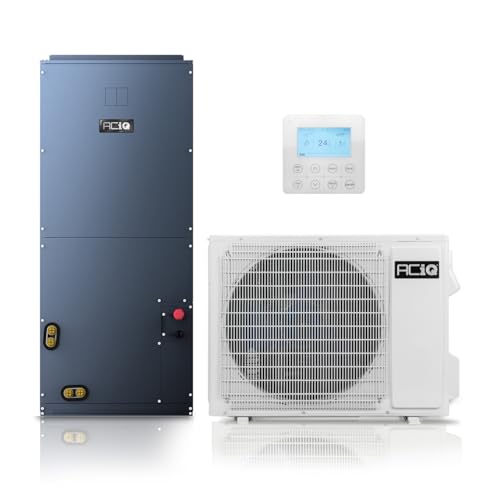
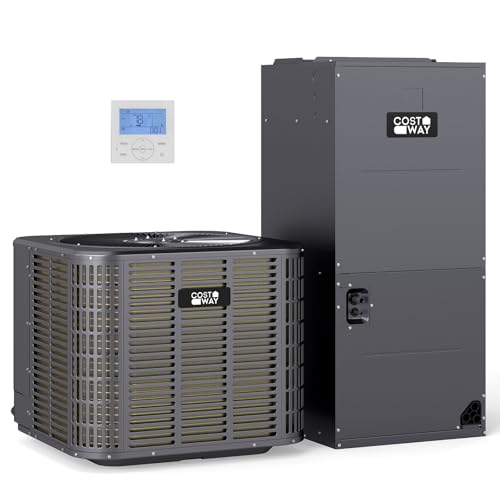
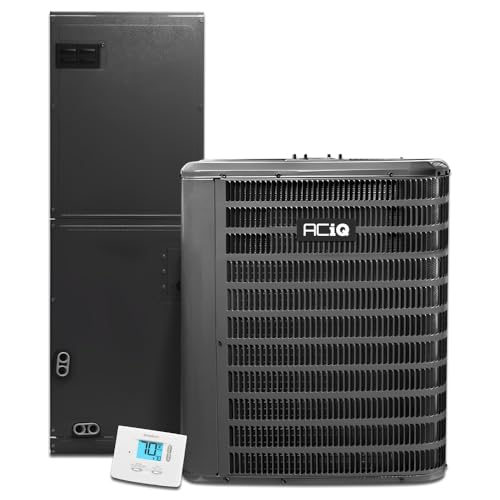
An air handler unit is the indoor component of a split air conditioning or heat pump system. It is the piece of equipment that moves conditioned air through your home's ductwork. While the outdoor condenser rejects heat to the outside, the air handler is responsible for circulating cooled or heated air inside the living space.
In a typical split system, the air handler contains the blower motor, the evaporator coil, an air filter, a condensate drain pan, and often supplemental electric heat strips. Together these parts form the indoor half of the system, and the outdoor condenser connects to it through refrigerant lines.
If you are still comparing system configurations before selecting an indoor unit, our overview of an air conditioning system and our guide to the air handler for an AC unit provide useful background reading.
How an Air Handler Unit Works
The air handler is the circulation engine of your HVAC system. Its operation follows a straightforward sequence:
- Return air enters from the home through return ducts and passes through the air filter.
- The blower motor pulls filtered air across the evaporator coil.
- The evaporator coil absorbs heat from the air as refrigerant changes state inside the coil.
- Conditioned air is pushed through the supply ducts into each room.
- Condensate is collected in the drain pan and routed safely away from the unit.
In a heat pump configuration, the evaporator coil also functions as a condenser during heating season, reversing the refrigerant cycle to deliver warmth indoors. Some air handlers include electric heat strips as a backup source of warmth in colder weather.
Air Handler vs. Furnace
An air handler and a furnace are often confused because both are indoor cabinets that move air. The difference is the heat source. A furnace generates heat by burning fuel such as natural gas, propane, or oil. An air handler produces no combustion heat on its own; it relies on the outdoor heat pump or condenser, and may include electric resistance heat strips as a secondary option. A combined air handler furnace combo is a configuration used in some homes where a single cabinet serves both functions.
Air Handler vs. AC Condenser
The outdoor condenser and indoor air handler are two halves of the same system. The condenser manages heat rejection and compressor operation, while the air handler manages air circulation and cooling delivery indoors. Neither component can condition the home effectively on its own, which is why matching the two is critical for efficiency and reliability.
Key Components Inside an Air Handler
Blower Motor
The blower motor drives the fan that moves air through the ducts. Modern units use variable-speed or ECM motors for smoother airflow and quieter operation.
Evaporator Coil
The evaporator coil absorbs heat from indoor air. Its condition directly affects cooling performance and overall system efficiency.
Air Filter
The filter protects the coil and blower from dust and debris. Regular replacement is the single most important maintenance task for long service life.
Condensate Drain Pan
The drain pan collects moisture removed from the air. A clogged drain line can cause water damage, so periodic flushing is recommended.
Electric Heat Strips
Optional heating elements that provide backup warmth in heat pump systems during very cold conditions.
Cabinet and Insulation
The cabinet protects internal components, while internal insulation reduces noise and prevents condensation on the exterior.
If the blower motor fails or becomes noisy, a professional air handler blower motor replacement restores proper airflow. For other issues, our guide to air handler repair explains common symptoms and when to call a technician.
Air Handler Unit Configurations
Air handlers are manufactured in several configurations to fit different installation spaces and duct layouts. Understanding the options helps you discuss the right choice with your contractor.
| Configuration | Best For | Key Consideration |
|---|---|---|
| Upflow | Basements and utility closets with vertical duct runs | Air enters from the bottom and exits at the top |
| Downflow / Counterflow | Attics or closets where supply ducts run downward | Air enters from the top and exits at the bottom |
| Horizontal | Crawlspaces, attics, and tight ceiling spaces | Air flows horizontally; ideal where headroom is limited |
| Multi-position | Flexible installations where layout is uncertain | Can be configured in multiple orientations during installation |
Unit placement is not only a convenience decision. Correct orientation affects airflow resistance, condensate drainage, and service access. A qualified installer will confirm which configuration suits your home's duct design.
How to Choose the Right Air Handler Unit
Choosing an air handler unit is a matching exercise, not a standalone purchase. The indoor unit must be compatible with the outdoor condenser or heat pump, and it must be correctly sized for your home's airflow requirements.
1. Match the Air Handler to the Outdoor Unit
Air handlers and condensers are designed to work as matched pairs, often referred to as a matched system. Mixing brands or mismatching capacities can reduce efficiency and may void warranty coverage. When replacing one component, confirm compatibility with the other.
2. Confirm the Correct Airflow Capacity
Air handlers are rated by airflow, usually expressed in cubic feet per minute (CFM). The correct rating depends on the tonnage of the outdoor unit and the design of your ductwork. Undersized airflow causes poor cooling and coil freezing, while oversized airflow reduces dehumidification and increases noise.
3. Evaluate Blower Motor Technology
Variable-speed and ECM blower motors are more efficient and quieter than older fixed-speed motors. They also provide more consistent comfort and better humidity control. In terms of market positioning, entry-level units often use fixed-speed motors, mid-range units typically offer multi-speed options, and high-end tier models commonly feature fully variable-speed blowers.
4. Check Efficiency and Features
While the outdoor condenser largely determines the SEER rating of the system, the air handler's blower efficiency contributes to overall performance. Look for insulated cabinets, corrosion-resistant coils, and service-friendly designs that simplify future maintenance.
5. Plan for Replacement Timing
If your outdoor condenser is nearing the end of its service life, replacing both components together is often the most reliable long-term approach. Our guide to air handler unit replacement covers timing considerations and what to expect during the process.
Maintenance Tips for Air Handler Units
Routine maintenance extends service life and preserves efficiency. Most tasks are simple, and a few minutes each month can prevent major breakdowns.
- Replace the air filter regularly. A clogged filter strains the blower motor and reduces airflow. Monthly checks during heavy cooling season are recommended.
- Keep the drain pan and line clear. Flush the condensate line periodically to prevent algae buildup and water damage.
- Schedule annual professional tune-ups. A technician will clean the coil, inspect electrical connections, and verify blower performance.
- Listen for unusual sounds. Grinding, rattling, or squealing often indicates bearing wear or debris in the blower wheel.
- Watch for water leaks. Moisture around the unit may signal a blocked drain or a frozen coil.
For problems that go beyond basic maintenance, our guide to air conditioning unit cleaning covers deeper cleaning steps, and our air conditioning service and maintenance page explains what a professional visit includes.
Common Air Handler Problems and Solutions
Weak Airflow
Usually caused by a clogged filter, blocked duct, or failing blower motor. Start with the filter, then check for duct obstructions.
Water Leaks
Often traced to a clogged condensate drain line or a drain pan that has shifted. Clearing the line usually resolves the issue.
Frozen Coil
Restricted airflow or low refrigerant charge can cause ice buildup on the evaporator coil. Turn the system off and call a technician.
Loud Operation
Loose panels, worn bearings, or debris in the blower wheel are common causes. Professional inspection is recommended.
If your system is not cooling properly, our guide to an air conditioning system not cooling walks through diagnostic steps. For refrigerant-related concerns, see our explanation of an air conditioning unit leaking freon.
When to Repair and When to Replace
Deciding between repair and replacement depends on the age of the unit, the nature of the failure, and the cost relative to a new installation. As a general rule:
- Repair is usually reasonable when the unit is under ten years old and the issue is isolated, such as a failed capacitor or a clogged drain line.
- Replacement becomes more sensible when the unit is older, when the blower motor or coil has failed, or when repeated repairs begin to add up.
- Matched replacement of both indoor and outdoor units is often the most efficient long-term path when both components are aging.
If you need help from a professional, our directory of air conditioning repair companies and our list of air conditioning repair specialists can connect you with qualified technicians in your area.
Air Handler Unit vs. Other Indoor Options
Homeowners sometimes compare an air handler with alternative indoor solutions. The right choice depends on whether your home already has ductwork and what type of outdoor equipment you plan to use.
- Air handler with central AC: Ideal for homes with existing ductwork; delivers whole-home comfort with a single indoor unit.
- Ductless mini-split: Better suited to homes without ducts or for room-by-room zoning. Our guide to air conditioning splits explains how these systems differ.
- Window or portable units: Practical for single rooms but not a whole-home solution. See our overview of an air conditioning unit for one room for context.
For homes with existing ductwork, the air handler remains the most common and practical indoor component.
Frequently Asked Questions
What is the difference between an air handler and an AC unit?
The term "AC unit" usually refers to the outdoor condenser, while the air handler is the indoor unit that circulates air. Together they form a complete split system.
How long does an air handler unit last?
With regular filter changes and annual professional maintenance, an air handler typically lasts 10 to 15 years. Harsh conditions and neglected maintenance shorten that lifespan.
Can I replace only the air handler?
Yes, in some cases. The replacement must be compatible with the existing outdoor unit. A technician should verify refrigerant type, capacity, and electrical requirements before proceeding.
How often should the air filter be changed?
Most standard filters should be checked monthly and replaced every one to three months, depending on dust levels, pets, and occupancy.
Does an air handler heat the home?
An air handler itself does not generate combustion heat, but in a heat pump system it distributes warmth, and some models include electric heat strips for backup heating.
Why is my air handler leaking water?
The most common cause is a clogged condensate drain line or a full drain pan. Clearing the line and checking the pan usually resolves the issue.
Final Thoughts
An air handler unit is the quiet workhorse of a split HVAC system. It does not attract attention when it is working well, but its condition directly affects comfort, air quality, and energy use. Understanding its role helps you ask better questions, make informed replacement decisions, and maintain the system properly over time.
Whether you are planning a new installation, considering an upgrade, or troubleshooting an existing system, the key is to match components correctly and keep up with maintenance. For professional support, explore our resources on air conditioning service and repair and air conditioning technicians to find qualified help in your area.