Air Handler for AC Unit: The Complete Guide
Understand what an air handler does, how to match it to your AC system, and how to keep it running efficiently for years
Quick Overview: The air handler is often called the "heart" of a split air conditioning system. While the outdoor condenser rejects heat, the air handler is responsible for moving cooled or heated air through your home's ductwork. Choosing the right air handler — and maintaining it properly — directly affects comfort, energy efficiency, and system lifespan.
What Is an Air Handler for an AC Unit?
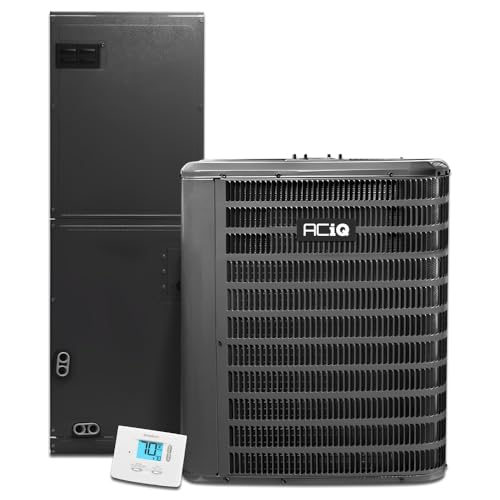
An air handler is the indoor unit of a split-system air conditioner or heat pump. It houses the blower motor, the evaporator coil, and the air filter. When your thermostat calls for cooling, the air handler pulls warm indoor air through the return ducts, passes it over the chilled evaporator coil, and then pushes the cooled air through the supply ducts into your rooms.
Without a functioning air handler, even a perfectly sized outdoor condenser cannot deliver comfortable air. This is why understanding the air handler unit is essential before buying or replacing any component of a split system. If you are researching whole-system options, our guide to air conditioning systems explains how indoor and outdoor components work together.
Types of Air Handlers
Air handlers come in several configurations depending on your home's layout and ductwork. The most common types include:
- Upflow air handlers — discharge air upward, ideal for basements or closets with vertical duct runs.
- Downflow air handlers — discharge air downward, common in attics or when ducts run beneath the unit.
- Horizontal air handlers — designed for tight spaces such as attics or crawlspaces where vertical clearance is limited.
- Multi-position air handlers — configurable for upflow, downflow, or horizontal installation, offering flexibility during replacement.
Some systems pair the air handler with an electric heating element, forming an air handler electric furnace combo for year-round comfort. Others combine with a gas furnace in an air handler furnace combo configuration.
How an Air Handler Works with Your AC Unit
The air handler and the outdoor condenser form a closed refrigerant loop. Here is the cooling cycle in simple terms:
- The compressor in the outdoor unit pressurizes refrigerant and moves it indoors.
- The refrigerant enters the evaporator coil inside the air handler and expands, absorbing heat from the air.
- The blower motor pulls warm room air across the cold coil, cooling it.
- The cooled air travels through supply ducts into your living spaces.
- Warm air returns through return ducts back to the air handler, and the cycle repeats.
If the blower motor fails, airflow stops and cooling performance drops immediately. That is why our guide to air handler blower motor replacement covers the warning signs and replacement process in detail.
Sizing Your Air Handler: Why Matching Matters
An air handler must be matched to the outdoor condenser's capacity, measured in tons (1 ton = 12,000 BTU per hour). An undersized air handler restricts airflow and causes the evaporator coil to freeze. An oversized air handler delivers too much air, reducing dehumidification and causing uncomfortable temperature swings.
Proper sizing starts with a room-by-room load calculation. If you are unsure about your home's requirements, review our guide on how to size an air conditioner or use the BTU calculator by room size. For a broader replacement decision, see air handler unit replacement.
Key factors that influence air handler selection include:
- Airflow capacity measured in CFM (cubic feet per minute) — typically 350 to 450 CFM per ton.
- Static pressure capability to overcome duct resistance.
- Electrical requirements such as voltage and breaker size.
- Physical dimensions for closet, attic, or crawlspace fit.
Key Features to Evaluate Before Buying
When comparing air handlers, look beyond basic specifications. These features affect comfort, efficiency, and long-term reliability:
- ECM or variable-speed blower motors — deliver smoother airflow, quieter operation, and better humidity control than standard PSC motors.
- Cabinet insulation — reduces condensation and operating noise, especially in unconditioned spaces like attics.
- Filter rack design — easy access for filter changes encourages regular maintenance.
- Drain pan construction — a durable, sloped drain pan prevents standing water and microbial growth.
- Refrigerant compatibility — ensure the coil supports your system's refrigerant type (R-410A or newer R-32/R-454B blends).
If your air handler needs attention, our air handler repair guide covers common faults, while the broader air conditioning service and maintenance page explains how scheduled care protects your entire system.
Air Handler Tiers at a Glance
The table below uses universal quality descriptors rather than any currency figures. It helps you understand where a given model sits in the market.
| Tier | Typical Blower Type | Best For | Notable Characteristics |
|---|---|---|---|
| Entry-level | PSC motor | Replacement in basic single-zone homes | Reliable, straightforward operation; single-speed airflow |
| Mid-range | Constant-torque ECM | Homes seeking improved efficiency and quietness | Better humidity control; multiple airflow taps |
| Premium | Variable-speed ECM | Multi-zone homes and comfort-focused owners | Very quiet operation; precise airflow modulation |
| Top-tier / professional-grade | Fully variable-speed, communicating | High-performance systems with smart thermostats | Advanced diagnostics, seamless system communication |
A mid-range unit is often a solid choice for the tier because it balances efficiency gains with straightforward installation. Premium and top-tier models are worthwhile investments when long-term comfort and quiet operation are priorities.
Air Handler Maintenance Essentials
Regular maintenance keeps airflow strong and extends the life of your equipment. Follow these practical steps:
- Replace the air filter every one to three months, or more often in dusty environments. A clogged filter strains the blower motor and reduces cooling capacity.
- Clean the evaporator coil annually to maintain heat transfer efficiency.
- Check the condensate drain for clogs and ensure the drain pan is clear of standing water.
- Inspect duct connections for leaks that waste conditioned air.
- Schedule professional servicing each year before cooling season begins.
If you notice water pooling around the indoor unit, our air conditioning unit leaking water troubleshooting guide walks you through the likely causes. Persistent airflow problems may also warrant a professional air conditioning unit tune-up.
Signs It Is Time to Replace Your Air Handler
Air handlers generally last 10 to 15 years with proper care. Consider replacement when you observe:
- Frequent blower motor failures or repeated repairs.
- Rising energy consumption without a change in usage habits.
- Rattling, squealing, or grinding noises from the indoor unit.
- Insufficient airflow in rooms that previously cooled well.
- Visible rust or corrosion on the cabinet or coil.
When replacement is necessary, matching the new air handler to the existing outdoor condenser is critical. Our air conditioning replacement service overview explains how professionals handle this transition.
Frequently Asked Questions
Can I replace just the air handler without the condenser?
Yes, but the new air handler must be compatible with the existing outdoor unit's refrigerant type and capacity. A mismatched pair reduces efficiency and may void warranties.
How long does an air handler last?
With annual maintenance and regular filter changes, most air handlers last 10 to 15 years. Variable-speed models with premium materials often reach the upper end of that range.
Why is my air handler making noise?
Common causes include a loose blower wheel, worn motor bearings, debris in the cabinet, or undersized return ducts. Persistent noise deserves prompt inspection by a technician.
Does the air handler affect indoor air quality?
Absolutely. The air handler houses the filter and evaporator coil, so its condition directly influences dust levels, humidity, and airborne contaminants in your home.
Related Resources
Deepen your understanding of the components and services surrounding your air handler:
- Air conditioning unit — overview of complete system anatomy.
- Air filter for HVAC system — choosing the right filter for your air handler.
- Air duct repair — why leaky ducts undermine air handler performance.
- Air conditioning technicians — how to find qualified help.