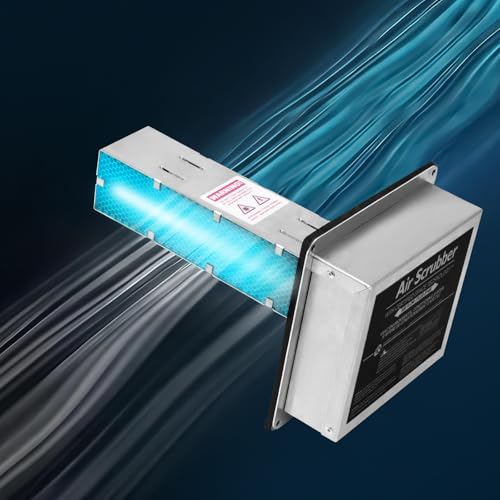
Air Scrubber HVAC: The Complete Guide to Cleaner Indoor Air
Discover how air scrubbers integrate with your HVAC system to remove dust, allergens, mold spores, and airborne pathogens. Learn about technology types, installation considerations, and maintenance requirements before you invest.
START LEARNINGWhy an Air Scrubber Matters: Indoor air can contain two to five times more pollutants than outdoor air. An air scrubber installed in your HVAC system works continuously to filter and neutralize contaminants as air circulates through your home, making it one of the most effective whole-home air purification solutions available today.
What Is an Air Scrubber HVAC System?
An air scrubber is a whole-home air purification device that connects directly to your HVAC ductwork or air handler. As your heating and cooling system moves air through the home, the scrubber captures and neutralizes contaminants including dust, pollen, pet dander, mold spores, volatile organic compounds (VOCs), and even bacteria and viruses.
Unlike standalone room air purifiers, an air scrubber works with your existing HVAC system to treat every room connected to the ductwork. This integration makes it a seamless and highly effective solution for homeowners looking to improve indoor air quality (IAQ) without cluttering rooms with portable devices.
If you are also exploring broader purification options, you may want to learn more about a complete air purification system and how it compares to scrubber-based solutions.
How Does an HVAC Air Scrubber Work?
The operation depends on the technology used, but most systems follow a similar air-treatment path:
- Air Intake: Return air from your living spaces is pulled into the HVAC system through return ducts.
- Pre-Filtration: A primary filter captures large particles such as dust and hair.
- Active Treatment: The air passes through the scrubber's treatment chamber where UV light, photocatalytic oxidation, or ionization neutralizes microscopic contaminants.
- Redistribution: Cleaned air is pushed through supply ducts and distributed throughout your home.
This continuous cycle runs every time your HVAC fan operates, providing ongoing air cleaning without requiring separate equipment in individual rooms. To understand how air moves through your home's ductwork, see our guide on air ventilation.
Types of Air Scrubbers for HVAC Systems
There are several technologies used in modern air scrubbers. Each has different strengths and is suited to different indoor air quality goals.
UV-C Air Scrubber
Uses ultraviolet light to neutralize bacteria, viruses, and mold spores. Often installed near the evaporator coil to keep it clean and prevent biological growth.
Essential TierPhotocatalytic Oxidation (PCO)
Combines UV light with a titanium dioxide catalyst to break down VOCs and odors. Works well for households concerned about chemical fumes and lingering smells.
Balanced TierNeedlepoint Bipolar Ionization
Releases charged ions that attach to particles and pathogens, causing them to cluster and be filtered out. Effective for fine particles and airborne microbes.
High-End TierMedia Filtration Air Scrubber
Relies on high-MERV filters to trap particles as air passes through. A straightforward, maintenance-friendly option for general dust and allergen control.
Starter TierMany premium whole-home units combine two or more of these technologies for comprehensive coverage. If you are also considering standalone devices, review our guide on choosing an air purifier to compare portable and whole-home options.
Air Scrubber Types at a Glance
| Technology | Best For | Tier | Maintenance Focus |
|---|---|---|---|
| UV-C Air Scrubber | Mold prevention, coil cleanliness | Essential tier | UV lamp replacement |
| PCO Air Scrubber | VOC and odor reduction | Balanced tier | Catalyst and lamp inspection |
| Needlepoint Bipolar Ionization | Fine particles and airborne microbes | High-end tier | Ion emitter cleaning |
| Media Filtration Scrubber | Dust and allergen capture | Starter tier | Filter replacement |
| Hybrid Whole-Home Scrubber | Comprehensive IAQ improvement | Flagship tier | Multi-stage filter and lamp service |
Key Benefits of Installing an Air Scrubber
- Whole-home coverage: Treats every room connected to your ductwork, not just a single zone.
- Allergen reduction: Captures pollen, pet dander, and dust mites that trigger seasonal and year-round allergies.
- Odor elimination: Neutralizes cooking smells, pet odors, and chemical fumes at the source.
- HVAC protection: Keeps evaporator coils cleaner, which supports efficient operation and longer equipment life.
- Microbial control: UV and ionization technologies help reduce bacteria, viruses, and mold spores circulating in the air.
- Low energy draw: Most scrubbers use very little electricity, making them efficient in the long run.
Combining a scrubber with proper air ventilation practices and regular filter changes delivers the best overall indoor air quality results.
Installation Considerations
Installing an air scrubber is typically a straightforward add-on to an existing HVAC system, but a few factors should be evaluated first:
- Ductwork access: The scrubber is usually mounted in the supply or return plenum, so accessible ductwork is essential.
- Electrical supply: Most units require a nearby power source; verify available amperage with a qualified technician.
- System compatibility: Confirm that the scrubber is compatible with your air handler's airflow and static pressure limits.
- Professional installation: While some units are marketed as DIY-friendly, proper placement and sealing are critical for performance and safety.
If you want to understand how air handlers integrate with purification equipment, our guide on air handlers provides useful background. For homes with existing filtration, reviewing your current air unit filter setup is a smart first step before adding a scrubber.
Maintenance Requirements
Air scrubbers are designed for low-maintenance operation, but regular care keeps them performing at their best:
- Filter replacement: Depending on the model, replace or clean filters every 6 to 12 months.
- UV lamp replacement: UV-C lamps typically need replacement every 9 to 12 months to maintain effectiveness.
- Catalyst inspection: PCO cells should be inspected annually and cleaned or replaced as recommended.
- Ion emitter cleaning: Ionization units benefit from periodic cleaning to prevent buildup on emitters.
- Professional check-ups: Schedule an annual HVAC service visit that includes scrubber inspection.
Routine maintenance also protects your broader HVAC investment. Consider pairing scrubber care with an annual central air conditioner maintenance visit for a complete system check.
How to Choose the Right Air Scrubber
When comparing air scrubber options, focus on these factors rather than price alone:
- Technology match: Choose UV for microbial control, PCO for odors and VOCs, or ionization for fine particles.
- Coverage capacity: Match the unit's rated airflow to your HVAC system's cubic feet per minute (CFM).
- Tier positioning: Entry-level units handle basic filtration, while premium and flagship tiers offer multi-stage treatment.
- Maintenance access: Prefer models with easily replaceable lamps and filters.
- Warranty and support: A solid warranty reflects manufacturer confidence in durability.
If you are comparing whole-home purification with portable solutions, our overview of air purification systems can help clarify the trade-offs.
Ready to Improve Your Indoor Air Quality?
Explore our curated selection of air scrubbers and purification equipment below. Compare features, read specifications, and find the right fit for your HVAC system.
View Recommended Air Scrubbers →Frequently Asked Questions
What is an air scrubber in an HVAC system?
An air scrubber is an air purification device installed within or alongside an HVAC system that removes particles, allergens, and pathogens from indoor air using filtration, UV light, or photocatalytic oxidation.
How often should an HVAC air scrubber be maintained?
Most units require filter replacement every 6 to 12 months and an annual inspection of UV lamps or PCO cells. Frequency depends on usage, household size, and local air quality.
Does an air scrubber increase energy consumption?
Air scrubbers draw very little power compared to the HVAC system itself. Most consume between 20 and 60 watts, comparable to a small light bulb, so the efficiency impact is minimal.
Can an air scrubber remove mold from my home?
UV-C and PCO scrubbers can neutralize mold spores and inhibit growth on HVAC components, but they cannot remediate existing mold contamination in walls or insulation. Professional remediation is required for active mold problems.
Is an air scrubber the same as an air purifier?
An air scrubber is a type of air purifier designed for whole-home installation within HVAC ductwork. Portable air purifiers treat single rooms, while scrubbers condition air for the entire connected living space.
Do I need a professional to install an air scrubber?
While some units are marketed for DIY installation, professional installation is strongly recommended to ensure proper placement, electrical safety, and optimal airflow performance.