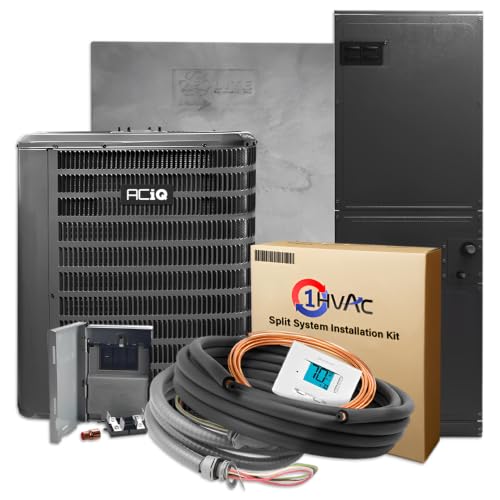
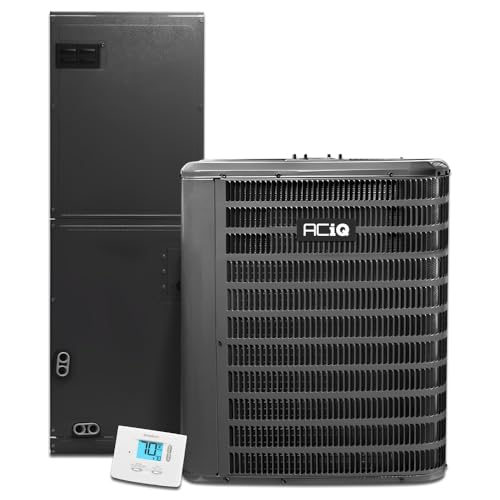
What Is a Central Air Conditioning Unit with a Heat Pump?
A central air conditioning unit with a heat pump is a split-system HVAC setup that uses one outdoor condenser/compressor unit paired with an indoor air handler to cool and heat the entire home through ductwork. In cooling mode it works exactly like a conventional central air conditioning system. In heating mode, a reversing valve flips the refrigerant flow so the outdoor coil absorbs heat from the outside air and releases it indoors.
Because a heat pump moves heat rather than generating it by burning fuel, it can deliver several units of heat for every unit of electricity consumed. That efficiency is the main reason heat pump central systems have become a leading choice for homeowners who want one system for both seasons.
How a Central Heat Pump System Works
The system relies on four main components working in a continuous loop:
- Outdoor unit: Contains the compressor and outdoor coil. It releases heat in summer and absorbs heat from outdoor air in winter.
- Indoor air handler: Houses the indoor coil and blower. It distributes conditioned air through the ductwork.
- Reversing valve: Swaps the direction of refrigerant flow so the same coils can cool or heat.
- Thermostat and controls: Switch between cooling, heating, and auto modes and manage defrost cycles in cold weather.
In cooling mode, the indoor coil absorbs heat from your home's air and the outdoor unit releases it. In heating mode, the cycle reverses: the outdoor coil captures ambient heat and the indoor coil releases it into the ductwork. This is the same principle described in our guide to central air conditioning systems, extended to year-round operation.
Heat Pump vs Traditional Central AC: Key Differences
Homeowners often compare a heat pump central system with a standard central air conditioner with furnace setup. The main differences come down to function, efficiency, and climate fit.
| Feature | Central AC + Furnace | Central Heat Pump System |
|---|---|---|
| Cooling | Yes | Yes |
| Heating | Yes, via furnace (gas, oil, or electric) | Yes, via reversed refrigerant cycle |
| Equipment count | Two systems (AC + furnace) | One system (heat pump + air handler) |
| Heating efficiency | Depends on fuel type and furnace rating | High efficiency in moderate climates; cold-climate models improve performance further |
| Best fit | Very cold climates or homes with existing ducted furnace | Mild to moderate climates; dual-fuel setups for colder regions |
Benefits of Choosing a Central Heat Pump System
A central air conditioning unit with a heat pump offers several practical advantages for homeowners planning a long-term HVAC investment.
Advantages
- One system for cooling and heating
- High efficiency in mild and moderate climates
- No combustion, no gas line needed
- Even, consistent indoor temperatures
- Works with existing ductwork in many homes
- Lower carbon footprint when paired with clean electricity
Considerations
- Heating capacity drops in extreme cold without a backup source
- Dual-fuel setup may be needed in very cold regions
- Requires proper sizing and duct design
- Professional installation is essential for efficiency
Understanding Efficiency Ratings: SEER, SEER2, and HSPF
Efficiency ratings help you compare central heat pump models on a like-for-like basis. The two most important numbers are SEER2 for cooling and HSPF2 for heating.
- SEER2: Seasonal Energy Efficiency Ratio for cooling. Higher numbers indicate more efficient cooling.
- HSPF2: Heating Seasonal Performance Factor for heating. Higher numbers indicate more efficient heating.
- EER2: Energy Efficiency Ratio measured at peak conditions, useful for hot-climate comparisons.
Our explainer on what a SEER rating means covers the testing methodology in more detail. When comparing central heat pump systems, look at both cooling and heating ratings because a model that excels in cooling may not be the strongest performer in heating.
Practical tip: In mixed climates, prioritize a balanced SEER2/HSPF2 profile. In hot climates, weight SEER2 more heavily. In cold climates, prioritize HSPF2 and confirm the model's rated operating range.
How to Size a Central Heat Pump for Your Home
Correct sizing is the single most important factor in comfort and efficiency. An oversized system short-cycles, struggles to dehumidify, and wears out faster. An undersized system runs constantly and fails to keep up on design days.
The most accurate method is a Manual J load calculation performed by a qualified contractor. For a quick planning reference, use these approximate ranges:
| Home Size | Approximate Capacity | Typical Fit |
|---|---|---|
| Up to 1,000 sq ft | 18,000 – 24,000 BTU | Small homes, condos, starter properties |
| 1,000 – 1,500 sq ft | 24,000 – 30,000 BTU | Mid-size single-family homes |
| 1,500 – 2,000 sq ft | 30,000 – 42,000 BTU | Average family homes |
| 2,000 – 2,500 sq ft | 42,000 – 48,000 BTU | Larger homes with good insulation |
| 2,500+ sq ft | 48,000+ BTU | Large homes; consider zoning or multiple systems |
For a more detailed breakdown, see our guides on sizing a central AC unit for a 1,000 sq ft house and a central AC unit for a 1,500 sq ft home. These ranges apply to heat pump systems as well because the cooling load drives much of the sizing decision.
Cold-Climate Performance and Dual-Fuel Options
Older heat pumps lost efficiency in cold weather, but modern cold-climate models maintain strong heating output well below freezing. Many units are rated to operate at full capacity down to around 5°F (-15°C), and premium models continue to produce heat at -13°F (-25°C).
If you live in a region with extended deep-freeze periods, a dual-fuel configuration pairs a heat pump with a gas furnace as a backup. The heat pump handles mild and moderate weather, and the furnace takes over on the coldest days. This approach balances efficiency and reliability and is often the most practical choice for colder states.
Installation Considerations Before You Buy
A central heat pump system is only as good as its installation. Before committing, review these points with your contractor:
- Ductwork condition: Leaky or undersized ducts waste efficiency. Sealing and balancing ducts should be part of the project.
- Electrical panel capacity: Heat pumps may require a dedicated circuit. Confirm your panel can support the load.
- Outdoor unit placement: The outdoor unit needs clearance for airflow and should be elevated above snow lines in cold climates.
- Permits and code: Most jurisdictions require a permit for HVAC replacement. Ask your contractor to handle it.
- Refrigerant type: Newer systems use lower-GWP refrigerants. Confirm what the model uses and how it affects serviceability.
If you are replacing an older system, our overview of central air conditioner replacement covers the decision points that apply to heat pump upgrades as well.
Maintenance That Protects Your Investment
Routine maintenance keeps efficiency high and extends equipment life. Schedule these tasks:
- Replace or clean air filters every 1–3 months depending on usage and pets.
- Keep the outdoor unit clear of leaves, snow, and debris.
- Schedule professional servicing twice a year — once before cooling season and once before heating season.
- Check condensate drain lines for clogs to prevent water damage.
- Inspect ductwork for leaks and disconnected joints periodically.
Our guide to central air conditioning system maintenance expands on these steps with seasonal checklists.
Common Problems and When to Call a Technician
Heat pump systems are reliable, but issues can arise. Watch for these symptoms:
- Not cooling or heating properly: Could indicate refrigerant issues, a failing compressor, or a reversing valve fault.
- Ice on the outdoor unit in heating mode: Brief defrost cycles are normal; persistent ice suggests a defrost control problem.
- Water leaks indoors: Usually a clogged condensate drain or frozen coil.
- Strange noises: Grinding or screeching often points to motor or bearing wear.
If your system is running but not delivering cold air, our troubleshooting guide on a central air conditioner running but not cooling walks through the first checks. For heating issues, similar diagnostics apply with the reversing valve and defrost board as added suspects.
Comparing Tiers: How to Choose the Right Model
Central heat pump systems fall into distinct market tiers. Instead of comparing raw prices, focus on what each tier typically delivers in efficiency, build quality, and features.
| Tier | Best For | Typical Characteristics |
|---|---|---|
| Entry-level | Basic whole-home comfort in mild climates | Standard single-stage or two-stage operation, baseline efficiency ratings, solid build, straightforward controls |
| Mid-range | Homeowners wanting better efficiency and quieter operation | Variable-speed compressors, improved SEER2/HSPF2, better sound insulation, smart thermostat compatibility |
| Premium | Cold climates and homes with high comfort expectations | Cold-climate rated performance, advanced defrost controls, high HSPF2, enhanced warranty terms |
| Flagship | Large homes, zoned systems, and maximum efficiency goals | Top-tier SEER2/HSPF2, full variable-speed modulation, premium materials, advanced diagnostics, extended parts coverage |
As a rule of thumb, mid-range and premium systems are the sweet spot for most homeowners: they deliver noticeably better efficiency and comfort than entry-level models while avoiding the top-tier premium. In hot climates, prioritize SEER2. In cold climates, prioritize HSPF2 and cold-climate certification. In all cases, insist on a Manual J load calculation before finalizing the size.
Frequently Asked Questions
What is a central air conditioning unit with a heat pump?
It is a combined HVAC system that uses one outdoor unit to cool your home in summer and heat it in winter. The heat pump reverses the refrigeration cycle to move heat rather than generate it, making it highly efficient for year-round comfort.
How is a heat pump different from a traditional central AC?
A traditional central AC only cools, while a heat pump both cools and heats. The heat pump adds a reversing valve that swaps the roles of the indoor and outdoor coils, allowing it to extract heat from outdoor air in winter and release it indoors. This eliminates the need for a separate furnace in many climates.
What size central heat pump do I need?
Sizing depends on your home's square footage, insulation, window area, ceiling height, and climate zone. A professional Manual J load calculation is the most accurate method. As a rough reference, homes around 1,000 sq ft typically need 18,000 to 24,000 BTU, while 2,000 sq ft homes often need 36,000 to 48,000 BTU.
Do central heat pumps work in cold climates?
Modern cold-climate heat pumps operate efficiently down to around 5°F (-15°C) and some models work at -13°F (-25°C). In extremely cold regions, a dual-fuel setup that pairs a heat pump with a gas furnace as backup provides reliable comfort year-round.
How long does a central heat pump system last?
A well-maintained central heat pump typically lasts 12 to 15 years, similar to a central AC. Regular filter changes, annual professional servicing, and keeping the outdoor unit clear of debris help maximize lifespan.
Ready to Explore Central Heat Pump Systems?
Browse recommended models by tier and compare features, efficiency ratings, and climate suitability in the product section below.