Comfortable Humidity Level in House: The Complete Indoor Humidity Guide
Discover the ideal indoor humidity range, why it matters for your health and comfort, and how to measure and control humidity using your air conditioner, dehumidifier, and simple home habits.
Find Your Ideal RangeThe Ideal Comfortable Humidity Level in a House
The short answer: most health and HVAC organizations recommend keeping indoor relative humidity between 30% and 50%, with 40% to 45% being the sweet spot for year-round comfort. This range balances human comfort, respiratory health, and protection of your home's structure and furnishings.
Quick rule of thumb: If your home feels sticky and clammy, humidity is likely above 55%. If you experience static shocks, dry skin, and cracked wood, humidity is probably below 30%. The 40% to 45% zone usually feels neutral — neither dry nor muggy.
Why 30% to 50% Is the Recommended Window
- Human comfort: Within this range, your body can regulate temperature efficiently through sweat evaporation without feeling clammy.
- Respiratory health: Air that is too dry irritates airways and mucous membranes; air that is too humid promotes mold and dust mites, both of which trigger allergies and asthma.
- Home protection: Excess moisture damages drywall, wood floors, and furniture, while overly dry air causes wood to crack and gaps to form.
- Energy efficiency: When humidity is controlled, you can set the thermostat slightly higher or lower and still feel comfortable, reducing strain on your cooling system.
For deeper context on how air conditioning interacts with indoor air quality, the broader central air conditioning guide explains how whole-home systems manage both temperature and moisture.
Why Indoor Humidity Matters More Than You Think
Humidity is the amount of water vapor in the air. Relative humidity (RH) expresses how saturated the air is at a given temperature — a reading of 50% RH means the air holds half the moisture it could hold at that temperature. Because warm air can hold more moisture than cool air, the same absolute moisture level produces a different RH reading as temperature changes.
Health Effects of Unbalanced Humidity
- Too dry (below 30%): Dry eyes, sore throat, nasal irritation, increased susceptibility to colds and flu, aggravated asthma, and skin dryness.
- Too humid (above 55–60%): Mold and mildew growth, dust mite proliferation, musty odors, increased allergy and asthma triggers, and a feeling of sluggishness.
Effects on Your Home and Belongings
- Structural damage: Persistent high humidity can cause paint peeling, warped wood, and mold inside walls. Excess moisture also contributes to water leaking issues in basements when condensation builds up.
- Furniture and electronics: Wood furniture cracks in dry air, while humid air encourages corrosion on metal components and warping on wooden surfaces.
- Energy performance: High humidity forces your cooling system to work harder to make the space feel comfortable. Learning why cool air may not feel cold enough often reveals a humidity problem rather than a temperature problem.
Signs Your Home Humidity Is Off-Balance
Your home usually tells you when humidity is out of range. Watch for these signals and address them early.
| Sign | Likely Humidity Issue | What to Check |
|---|---|---|
| Condensation on windows | Too humid (above 55%) | Ventilation, exhaust fans, AC dehumidification |
| Musty or moldy smell | Too humid | Bathroom, basement, and attic moisture sources |
| Static shocks | Too dry (below 30%) | Winter heating, humidifier settings |
| Dry skin and irritated eyes | Too dry | Humidifier use, indoor heating |
| Clammy, sticky feeling | Too humid | Oversized AC short-cycling, poor airflow |
| Wood floors or doors sticking | Too humid | Whole-home humidity, crawlspace moisture |
| Cracks in wood furniture | Too dry | Winter humidity drop, heating system |
If you notice condensation or musty smells near your cooling equipment, it may be worth checking whether your central air unit is running but not cooling properly — poor cooling often coexists with poor dehumidification.
How to Measure Indoor Humidity Accurately
You cannot manage what you do not measure. Fortunately, measuring indoor humidity is simple and requires only basic tools.
Options for Measuring Humidity
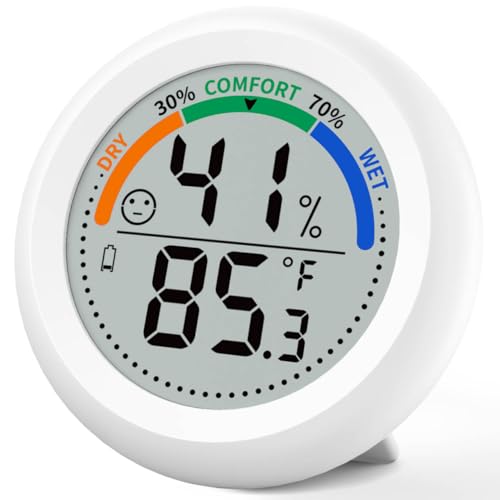
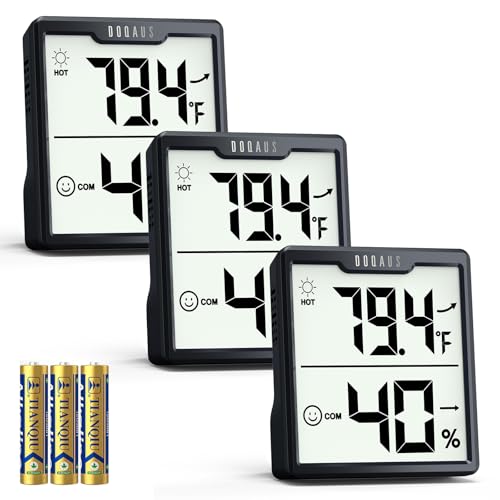
- Digital hygrometer: The most practical choice for homeowners. Place one in the main living area and one in the basement or a problem room. Many models display temperature and humidity together.
- Smart thermostat with humidity sensor: Many modern thermostats report indoor RH alongside temperature. If your central air thermostat includes humidity data, use it as a baseline.
- Portable humidity monitor: Useful for checking multiple rooms or diagnosing a single damp space.
Where and When to Measure
- Measure in the middle of each room, away from vents, windows, and exterior doors.
- Take readings at different times of day — humidity typically rises in the morning and after showers or cooking.
- Record readings during both the cooling season and the heating season, since humidity patterns differ dramatically.
Tip: If your thermostat is not reading correctly, it can distort your perception of indoor comfort. Troubleshoot sensor issues using this guide on a central air thermostat not working before assuming humidity is the culprit.
How Your Air Conditioner Controls Humidity
Air conditioners do more than cool — they are also dehumidifiers. As warm indoor air passes over the cold evaporator coil, moisture condenses on the coil and drains away. This is why a properly operating AC produces condensate water and why your indoor humidity drops when the system runs.
Why Some AC Systems Fail to Dehumidify Well
- Oversized system: A unit that is too large cools the space quickly and shuts off before it has time to remove moisture. This short-cycling is a common cause of a home that feels cold and clammy at the same time.
- Low airflow: Dirty filters or blocked ducts reduce the amount of air passing over the coil, lowering dehumidification capacity.
- Frozen or dirty coils: A coil that cannot absorb heat properly will not condense moisture efficiently. Regular cleaning of air conditioner coils helps maintain performance.
- Incorrect fan settings: Running the fan continuously on low speed can re-evaporate moisture before it drains away.
Choosing a System That Manages Humidity
If indoor humidity is a persistent problem, consider a system designed with moisture control in mind. A central heat pump with variable-speed operation adjusts output gradually, allowing longer run times and better dehumidification. Ductless mini-split systems also offer precise moisture control in individual rooms and are excellent for additions or homes without ductwork.
For homes with existing ductwork, verifying the sizing and installation quality matters as much as the equipment itself. Reviewing common AC installation mistakes can help you avoid a system that cools but does not dehumidify properly.
Practical Ways to Control Indoor Humidity
Whether your home runs too dry or too humid, there are effective strategies at every level — from daily habits to equipment upgrades.
Reducing High Humidity
- Use exhaust fans: Run bathroom fans during and for 20 minutes after showers, and kitchen range hoods while cooking.
- Fix leaks and drainage: Address plumbing leaks, clogged condensate lines, and poor grading around the foundation. A clogged condensate drain line can raise indoor humidity significantly.
- Add a dehumidifier: Standalone dehumidifiers work well for basements and single rooms. Whole-home dehumidifiers integrate with your HVAC system for consistent control.
- Seal air leaks: Seal gaps around windows and doors, and insulate ductwork in unconditioned spaces to prevent humid outdoor air from entering.
- Improve ventilation: Ensure attic and crawlspace ventilation is adequate, and consider an energy recovery ventilator (ERV) in tightly sealed homes.
- Keep the AC running appropriately: Avoid turning the system off completely during humid weather. Consistent operation keeps moisture in check.
Raising Low Humidity (Winter Months)
- Use a humidifier: Portable units work for single rooms; whole-home humidifiers attach to your HVAC system for consistent moisture.
- Add houseplants: Plants release moisture through transpiration, providing a subtle natural boost.
- Air-dry laundry indoors: Hanging clothes inside adds moisture to dry winter air.
- Leave bathroom doors open after showers: Allows moisture to redistribute through the home.
Maintenance reminder: Humidity control depends on clean, well-maintained equipment. Regular cleaning of evaporator coils and clearing the AC drain keep dehumidification working as designed.
Seasonal Humidity Considerations
Indoor humidity needs change with the seasons. A level that feels perfect in summer may feel dry in winter, and vice versa.
Summer Humidity
Warm air holds more moisture, and outdoor humidity often pushes indoor RH above 55%. This is when your AC's dehumidifying role is most important. Keep the system running consistently, change filters regularly, and consider a whole-home dehumidifier if humidity remains high even with the AC running.
Winter Humidity
Heating systems dry out indoor air, and RH can drop below 25% in cold climates. While lower humidity is generally acceptable in winter, aim to keep it above 30% to protect wood furnishings and respiratory comfort. A whole-home humidifier is the most consistent solution.
Shoulder Seasons
Spring and fall bring moderate temperatures but variable humidity. In these periods, your AC may not run long enough to dehumidify. If indoor humidity creeps above 55% on mild days, a standalone dehumidifier or periodic AC operation can help.
Frequently Asked Questions
What is the most comfortable humidity level in a house?
The most comfortable indoor humidity level is generally between 30% and 50% relative humidity, with 40% to 45% being ideal for most homes and climates. This range supports respiratory health, protects furnishings, and feels neither dry nor muggy.
Can high humidity make my house feel warmer?
Yes. High humidity reduces the body's ability to cool itself through sweat evaporation, making a room feel warmer than the thermostat indicates. Lowering humidity often improves comfort more effectively than lowering the temperature.
Does my air conditioner control indoor humidity?
Yes. A properly sized air conditioner removes moisture as it cools the air. However, oversized units may short-cycle and fail to dehumidify effectively, and AC alone may not be enough in very humid climates where a dedicated dehumidifier is recommended.
What are the signs of too much humidity in a house?
Common signs include condensation on windows, musty odors, mold growth, clammy or sticky air, warped wood, and persistent dampness in bathrooms and basements. If you notice these, measure RH and address moisture sources promptly.
Is 60% humidity too high indoors?
Yes. Indoor humidity above 60% is generally considered too high and increases the risk of mold, dust mites, and moisture damage. Aim to keep indoor humidity below 50% to 55%.
Can I use a portable dehumidifier instead of my AC?
A portable dehumidifier is useful for basements, closets, and single rooms, but it does not cool the air. For whole-home humidity control during warm weather, your AC combined with a whole-home dehumidifier is more effective. For rooms without ductwork, a portable air conditioner can handle both cooling and some dehumidification.
Why does my AC cool the house but humidity stays high?
This is often caused by an oversized system that short-cycles before removing moisture, a dirty evaporator coil, low airflow, or a fan set to run continuously. Reviewing why a central air unit is not blowing cold air can help identify the underlying cause.
How often should I check indoor humidity?
Check humidity at least once a week during peak summer and winter months. If you have a smart thermostat with humidity monitoring, review the data periodically to spot trends before they become problems.
Ready to Take Control of Your Home's Humidity?
Explore our recommended air conditioners and dehumidification solutions to keep your indoor humidity in the comfortable 30–50% range all year long.
View Recommended Units