Central Heat Pump: The Complete Buyer's Handbook
A central heat pump is one of the most versatile climate-control systems available today. This in-depth guide explains how it works, how to size it correctly, which efficiency ratings matter, and how to choose the right tier for your home before you commit.
Start the GuideWhy this page exists: Most shoppers arrive here already knowing they want a heat pump but still need clarity on sizing, efficiency, installation, and long-term reliability. Everything below is organized to answer those questions in the order you are likely to ask them, so you can move from research to a confident decision.
What Exactly Is a Central Heat Pump?
A central heat pump is a ducted HVAC system that moves heat rather than generating it from scratch. In cooling mode, it absorbs heat from inside your home and releases it outdoors. In heating mode, the process reverses and the system extracts heat from outdoor air, even when temperatures drop, and transfers it inside. Because it relocates heat instead of burning fuel, it is remarkably efficient compared with traditional electric resistance heating. For a broader look at how ducted systems compare with other setups, see our overview of central heating and air conditioning.
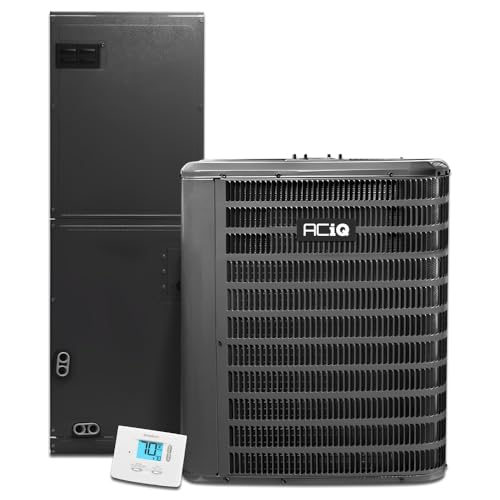
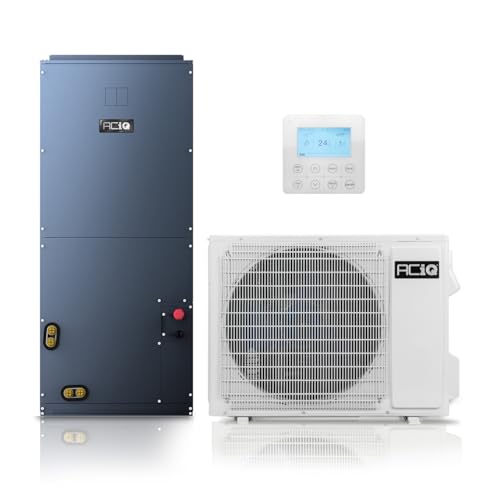
A complete central heat pump installation includes an outdoor compressor unit, an indoor air handler with a coil, and a network of ducts that distribute conditioned air throughout the house. Many systems also pair with a backup heat source for extremely cold climates. This ducted architecture is what separates a central heat pump from ductless mini-split units, which serve individual rooms without ductwork.
Single-Speed Compressors
The most straightforward central heat pump design. The compressor runs at full output or turns off entirely. Reliable and well-specified for milder climates, but less precise at holding a constant indoor temperature.
Two-Stage Compressors
A middle ground that offers a low-capacity stage for moderate days and a high stage for peak demand. Smoother temperature control, quieter operation, and better moisture removal than entry-level single-speed models.
Variable-Speed Inverter
These top-tier systems modulate compressor speed continuously, matching output to demand almost exactly. The result is the quietest operation, the steadiest comfort, and the most efficient performance across seasons.
How a Central Heat Pump Works, Step by Step
Understanding the cycle helps you ask the right questions during a consultation and spot red flags in a proposal.
- Refrigerant absorbs heat. In the indoor coil, refrigerant evaporates and pulls heat energy out of the air passing over it. The cooled air is pushed through your ducts.
- The compressor raises pressure. The outdoor compressor pressurizes the refrigerant vapor, raising its temperature so it can release heat to the outside air.
- The outdoor coil releases heat. A fan blows outdoor air across the condenser coil, and the refrigerant condenses back into a liquid, shedding the heat it carried.
- The expansion valve resets the cycle. The liquid refrigerant passes through an expansion valve that drops its pressure and temperature, and the cycle repeats.
- The reversing valve switches seasons. In heating mode, this valve flips the direction of refrigerant flow so the indoor coil becomes the condenser and the outdoor coil becomes the evaporator.
That reversing valve is the defining feature of a heat pump. It is also why maintenance matters so much: a stuck or failing valve is one of the more common service issues in dual-mode systems. If you notice uneven performance between seasons, a technician should inspect the valve and the defrost controls. Related issues are covered in our troubleshooting reference on a central air unit that isn't blowing cold air.
Sizing a Central Heat Pump Correctly
Oversizing and undersizing are the two most common mistakes. Both lead to discomfort and premature wear.
A system that is too large will short-cycle: it cools or heats the space quickly, then shuts off before it can dehumidify properly. A system that is too small will run continuously during peak demand, straining the compressor and never quite reaching the setpoint. Proper sizing starts with a room-by-room load calculation, often called a Manual J calculation, which factors in square footage, insulation, window area and orientation, ceiling height, and local climate data.
As a starting reference, a 1,000-square-foot home typically falls in the lower capacity range, while a 1,500-square-foot home needs more. Larger houses scale accordingly. Use our guides on central heat and air for 1,000 square feet and central heat and air units for a 1,500-square-foot home to see how capacity ranges map to typical layouts. For a broader introduction to the sizing process, the article on central air units for a 1,000 sq ft house walks through the variables that change the calculation.
Mobile and manufactured homes have their own constraints, including ductwork limitations and tighter equipment compartments. If that describes your situation, review our notes on central heat and air units for mobile homes before requesting a quote.
Efficiency Ratings That Actually Matter
Heat pumps carry separate ratings for cooling and heating. Knowing both prevents surprise operating habits later.
| Rating | What It Measures | Why It Matters |
|---|---|---|
| SEER2 | Seasonal cooling efficiency | Higher values mean less electricity used to deliver the same cooling. Updated DOE test standards make SEER2 values slightly lower than older SEER figures, so compare within the same rating system. |
| EER2 | Peak-load cooling efficiency | Reflects performance on the hottest days. Useful for comparing systems in warm climates where peak demand dominates. |
| HSPF2 | Seasonal heating efficiency | The heating counterpart to SEER2. A strong HSPF2 rating indicates the system delivers more heat per unit of electricity across the heating season. |
| COP | Instantaneous heating efficiency | A snapshot ratio at a specific outdoor temperature. Helpful when comparing cold-climate performance claims. |
Do not treat a single number as the whole story. A high-end tier variable-speed system with a strong HSPF2 may perform better in a cold climate than an entry-level unit with a similar SEER2. The interaction between climate, duct quality, and equipment tier matters more than any one label.
Choosing the Right Tier for Your Home
Instead of focusing on equipment labels, think about the tier that matches your comfort expectations and climate.
- Essential tier: Single-speed systems with straightforward controls. A solid choice for mild climates, rental properties, or budgets that prioritize reliability over fine-grained comfort control.
- Balanced tier: Two-stage systems that smooth out temperature swings and improve humidity control. Well-specified for most family homes in mixed climates.
- High-end tier: Variable-speed inverter systems that modulate continuously. Best for homeowners who value quiet operation, consistent comfort, and long-term efficiency.
- Top-tier: Cold-climate models engineered for low-ambient heating with enhanced defrost controls and backup heat integration. Worthwhile for regions with sustained sub-freezing weather.
A mid-range unit often strikes the most sensible balance for typical suburban homes: it costs more than an entry-level system but delivers noticeably better humidity control and quieter operation. If you are replacing an older system, review our guide on the most economical way to replace an HVAC system to understand which parts of the project can be staged.
Installation: What to Expect
A central heat pump is only as good as its installation. The equipment is roughly half the equation; the ductwork and commissioning are the other half.
Installation begins with an on-site assessment of your electrical panel, available indoor space for the air handler, and outdoor clearance for the compressor. The contractor then confirms duct sizing and layout. Poor duct design is the most common reason a high-efficiency system underperforms. If your home has leaky or undersized ducts, budget for duct improvements alongside the equipment. The cost considerations are broken down in our article on central air unit installation cost.
Commissioning involves verifying refrigerant charge, airflow, and static pressure. Ask for the commissioning report. A reputable installer will document airflow measurements, refrigerant line pressures, and temperature differentials. Skipping this step is a red flag, and it is one of the most common AC installation mistakes that shorten equipment life. Also confirm the contractor's credentials; our page on certified HVAC technicians explains what certifications to verify.
Permits and inspections vary by jurisdiction. Do not assume the contractor handles them silently. Ask directly, and get the permit number in writing before work begins.
Maintenance That Protects Your Investment
Heat pumps run year-round, so they accumulate wear faster than cooling-only systems. A simple seasonal routine extends service life considerably.
- Replace or clean filters every one to three months. Restricted airflow forces the compressor to work harder and can freeze the indoor coil.
- Keep the outdoor unit clear. Remove leaves, snow, and debris from around the cabinet. Maintain at least two feet of clearance on all sides.
- Schedule a professional tune-up each season. Technicians check refrigerant charge, electrical connections, the reversing valve, and defrost controls. The article on central air thermostats can help you confirm your controls are configured for dual-mode operation.
- Watch for ice on the outdoor coil. Some frost during heating is normal, but persistent ice suggests a defrost fault.
- Monitor humidity indoors. A system that cools but leaves the house clammy may be oversized or have airflow problems. See our notes on comfortable humidity levels in a house.
If your system is running but not delivering cold air, the issue may be as simple as a thermostat setting or as involved as a refrigerant leak. Start with our guide on a central air unit that is running but not cooling to narrow down the cause before calling for service.
Cold-Climate Performance and Backup Heat
Modern cold-climate heat pumps operate well below freezing, but the details matter.
Standard heat pumps lose capacity as outdoor temperatures fall. Cold-climate models use enhanced compressors and defrost strategies to maintain output at lower ambient temperatures. In many homes, a supplemental electric resistance strip or a dual-fuel setup with a furnace provides a safety net during extreme cold. The combination approach is similar to what you would see in a central air with furnace configuration, except the heat pump handles the majority of the heating load.
If you are comparing dual-fuel versus all-electric operation, read our overview of central heating and cooling systems to understand how the components interact. For homes in moderate climates, a standard heat pump without supplemental heat is often sufficient.
Common Questions Before You Commit
How long does a central heat pump typically last?
Can a central heat pump replace both my furnace and air conditioner?
Is a variable-speed system worth the higher tier?
What should I check on my thermostat before calling a technician?
Do I need to upgrade my electrical panel?
Ready to Compare Central Heat Pumps?
Use the recommendations below to explore systems by tier, then confirm sizing and compatibility with a qualified contractor. The right tier depends on your climate, duct condition, and comfort priorities, not on a single label.
View Recommended SystemsContinue Your Research
If you are still mapping out the full project, these guides cover adjacent decisions:
- Understanding whole-home layouts: central heating and air and central heating and air conditioning.
- Sizing references: central air units for a 1,500 sq ft home and central air units for a 2,000 sq ft house.
- System components: central air units and central unit thermostats.
- Service and repair context: a central air unit leaking water in the basement and a central air unit that stopped blowing cold air.