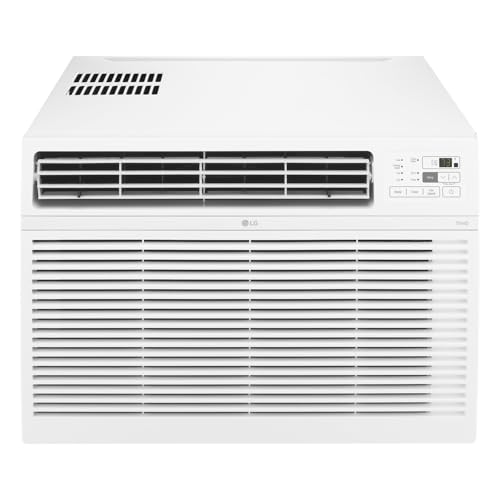
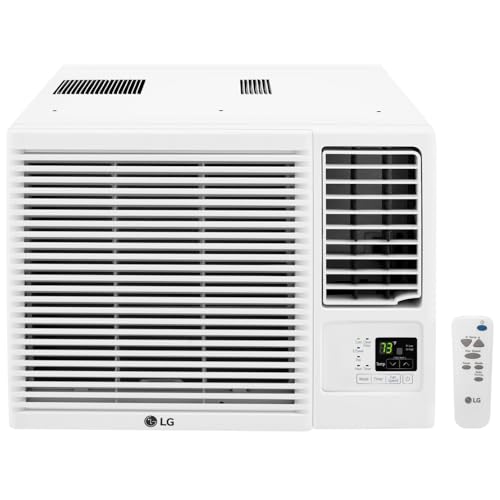
24000 BTU Window Air Conditioner with Heat: Complete Buyer's Guide
Everything you need to know before choosing a large-capacity window AC with heating mode for open-plan living areas, large bedrooms, and converted spaces.
Start ReadingWhat a 24000 BTU Window AC with Heat Actually Does
A 24000 BTU window air conditioner with heat is a dual-purpose unit that delivers both cooling and heating from a single window-mounted chassis. In cooling mode, it removes heat and humidity from the room at a capacity of roughly 24,000 British Thermal Units per hour. In heating mode, depending on the model, it either reverses the refrigerant cycle (heat pump) or uses an electric resistance element to warm the space.
This capacity class is a significant step up from the common 12,000 to 18,000 BTU window units. It is designed for spaces where a smaller unit would run continuously without reaching the set temperature. If you are still comparing capacities, the 18,000–24,000 BTU AC overview is a useful cross-reference, and the general 24000 BTU air conditioner guide explains how this capacity fits into the broader market.
Cooling and heating in one chassis
The appeal of a window unit with heat is straightforward: one installation, one footprint, and year-round comfort without a separate heating appliance. That said, the heating side deserves scrutiny. Heat pump window units are efficient in mild to moderate climates but lose capacity as outdoor temperatures drop. Electric resistance heaters are consistent but draw more power. The combination air conditioner and heater window unit guide explains these differences in more detail.
Is 24000 BTU the Right Capacity for Your Room?
Capacity is the single most important decision in this category. A 24000 BTU window unit is generally appropriate for large rooms and open-plan spaces of roughly 1,000 to 1,500 square feet. However, square footage alone is an incomplete measure. The following factors shift the effective capacity requirement:
- Ceiling height: Rooms with ceilings above 8 feet hold more air and need more capacity.
- Insulation quality: Poorly insulated walls and single-pane windows increase heat gain.
- Sun exposure: West- and south-facing rooms with large windows need more cooling.
- Occupancy: Each person adds a small heat load; crowded rooms need more capacity.
- Heat-generating appliances: Kitchens, home offices with multiple monitors, and media rooms add load.
If your room is below 1,000 square feet, a 24000 BTU unit may short-cycle, which reduces dehumidification and adds wear. In that case, a smaller unit such as the 18,000 BTU window air conditioner with heat may be a better match. For a broader sizing framework, the 8,000–10,000 BTU AC and 12,000–14,000 BTU AC guides show how capacity scales across room sizes.
Electrical Requirements and Installation Realities
Most 24000 BTU window air conditioners with heat run on 230/240-volt power rather than standard 115-volt household current. That means the unit typically needs a dedicated circuit with a breaker sized in the 20 to 30 amp range, and a matching outlet. If your home does not already have a 240-volt window AC outlet, a licensed electrician will need to install one.
This is not a plug-and-play category. Before purchasing, confirm the following:
- The window type and opening dimensions match the unit's installation requirements.
- The window frame and wall can support the unit's weight, which is substantial at this capacity.
- A dedicated electrical circuit is available or can be installed.
- Local codes permit window-mounted units of this size in your building.
For installation support, the companies that install window air conditioners page is a practical starting point. If you are comparing installation approaches, the through-the-wall AC guide explains when a wall sleeve is a better long-term choice than a window mount.
Efficiency Ratings: What to Look For
Efficiency matters more at this capacity because the unit draws more power than a small window AC. Two ratings are relevant: EER (Energy Efficiency Ratio) and, for units that qualify, ENERGY STAR certification. SEER ratings are more commonly associated with central systems, but the underlying efficiency principles apply across categories.
A higher EER means more cooling per unit of electricity. In the 24000 BTU window category, efficiency varies meaningfully between entry-level and premium models. If the unit will run for many hours per day during summer, the efficiency difference compounds over a season. The window air conditioner energy efficiency rating guide explains how to read these numbers, and the efficiency of an air conditioner overview covers the broader rating landscape.
Inverter vs single-stage at 24000 BTU
Inverter window units are increasingly common in this capacity class. Instead of cycling the compressor on and off at full power, an inverter model varies compressor speed to hold the set temperature. The practical benefits are steadier comfort, quieter operation, and often better efficiency in the long run. Single-stage models are simpler and typically sit at a lower tier in the product lineup. For a large room where the unit runs frequently, an inverter model is generally the more comfortable and efficient long-term choice. The 14000 BTU inverter window air conditioner guide illustrates how inverter technology behaves in a smaller capacity, which helps set expectations for this class.
Comparing Market Tiers in the 24000 BTU Window AC with Heat Category
Products in this category fall into recognizable tiers. The table below uses neutral tier descriptors rather than numeric figures so the comparison stays useful over time.
| Tier | Typical Characteristics | Best For |
|---|---|---|
| Entry-level | Single-stage compressor, basic mechanical or digital controls, standard EER, electric resistance heat on some models | Seasonal use in mild climates, budget-conscious buyers who prioritize capacity over features |
| Mid-range | Improved EER, digital thermostat, remote control, sleep mode, sometimes heat pump heating | Year-round comfort in moderate climates, households that run the unit daily in summer |
| High-end tier | Inverter compressor, higher EER, quieter operation, smart controls, heat pump heating, better filtration | Open-plan living areas, households sensitive to noise, buyers planning long-term use |
| Top-tier | Flagship inverter platform, premium materials, advanced humidity control, app integration, extended warranty support | Primary living spaces where comfort, quiet operation, and efficiency are the top priorities |
Features That Matter at This Capacity
At 24000 BTU, the unit is a significant appliance in the room, so feature choices have an outsized effect on daily satisfaction. The following features are worth evaluating:
- Heat pump vs electric resistance heating: Heat pump models are more efficient in mild climates; electric resistance models are simpler and consistent in cold snaps.
- Inverter compressor: Smoother temperature control and quieter cycling, especially valuable in living areas.
- Noise level: Large window units are inherently louder than small ones. If the room is a bedroom or home office, check decibel ratings and consider a quiet air conditioner.
- Smart controls: Wi-Fi and app control are increasingly common; the AC with Wi-Fi and smart control guide explains the practical benefits.
- Air filtration: Some models include enhanced filters; the AC with air purifier overview covers what to expect.
- Thermostat compatibility: A unit with a precise digital thermostat, or compatibility with an external thermostat that controls heat and cool, improves comfort and efficiency.
How Well Does the Heating Mode Perform?
Heating performance is the most misunderstood aspect of a window AC with heat. The heating capacity of these units is generally lower than their cooling capacity, and the effective output depends heavily on outdoor temperature and the heating technology used.
Heat pump models transfer heat from outdoor air into the room. They are efficient in mild to moderate conditions but lose capacity as outdoor temperatures fall below roughly 40°F. Electric resistance heaters generate heat directly and are unaffected by outdoor temperature, but they draw more electricity per unit of heat delivered. Neither type is a substitute for a whole-home furnace in a cold climate; they are best understood as supplemental or transitional heating for milder regions and shoulder seasons.
Choosing between heat pump and electric resistance
If your winters are mild and you want efficient supplemental heat, a heat pump window unit is the better fit. If you need consistent heat during occasional cold snaps and are less concerned with efficiency, an electric resistance model is simpler. The energy efficiency ratings: SEER, EER, HSPF guide explains how heating efficiency is measured and why HSPF matters for heat pump units.
Which Spaces Suit a 24000 BTU Window Unit with Heat?
This capacity class works best in specific room types. Matching the unit to the space avoids both short-cycling and insufficient cooling.
- Open-plan living and dining areas: Large connected spaces with shared air volume are a natural fit.
- Large master bedrooms and suites: Rooms above 400 square feet with high ceilings benefit from the extra capacity.
- Converted garages and bonus rooms: Spaces that were not designed for central HVAC often rely on window units.
- Home offices with heat-generating equipment: Multiple monitors and electronics add load that smaller units struggle with.
- Multi-story homes without ductwork: Upper floors that run hot in summer can be served by a dedicated large window unit.
If your space is a multi-story home with ductless needs, the 24000 BTU mini-split air conditioner heat pump is a ductless alternative worth comparing. For rooms above 1,500 square feet or whole-home cooling, central systems are usually more appropriate; the highest-rated home air conditioning units guide is a useful reference.
Maintenance and Long-Term Reliability
A 24000 BTU window unit works harder than a small unit, so maintenance has a direct effect on lifespan and efficiency. The essentials are straightforward:
- Clean or replace the air filter every two to four weeks during heavy use.
- Inspect and clean the outdoor-side condenser coils at the start of each season.
- Check the window seal and insulation around the unit to prevent air leaks.
- Schedule professional servicing if you notice reduced cooling, unusual noise, or water pooling.
- Store or cover the unit properly during off-season months if it is not permanently installed.
For troubleshooting common issues, the AC blowing cold air but not cooling the house guide and the AC blowing cool air but not cooling the house overview cover the most frequent complaints. If a repair is needed, understanding typical service categories helps you evaluate quotes; the AC compressor replacement and AC capacitor pages explain what those repairs involve.
How to Choose the Right Model for Your Home
With capacity, electrical requirements, and heating type settled, the final decision comes down to matching features to your priorities. A practical sequence is:
- Confirm the room size and load: Verify that 24,000 BTU is appropriate before comparing models.
- Decide on heating type: Heat pump for mild-climate efficiency, electric resistance for consistent cold-snap output.
- Choose compressor type: Inverter for quieter, steadier comfort; single-stage for simplicity.
- Check the electrical setup: Confirm a 240-volt circuit is available or plan for installation.
- Evaluate noise and controls: Especially important if the unit serves a bedroom or home office.
- Review warranty and support: Longer coverage is a meaningful signal of build confidence in this tier.
If you are comparing brands and manufacturers, the air con brands and air conditioner companies pages provide context on market positioning. For a broader view of what is available, the air conditioning systems for sale overview is a useful starting point.
Frequently Asked Questions
What size room is a 24000 BTU window air conditioner with heat suitable for?
A 24000 BTU window air conditioner with heat is generally suitable for large rooms and open-plan spaces of roughly 1,000 to 1,500 square feet, depending on ceiling height, insulation, window quality, sun exposure, and the number of occupants or heat-generating appliances in the room.
Does a 24000 BTU window air conditioner with heat require a special electrical circuit?
Yes, most 24000 BTU window units operate on 230/240-volt power and require a dedicated circuit with an appropriately sized breaker, typically in the 20 to 30 amp range. A licensed electrician should confirm your home's wiring and install the correct outlet if one is not already present.
How does the heating mode work on a window air conditioner with heat?
Heating mode on a window AC with heat typically uses either a heat pump reversing valve or an electric resistance heater. Heat pump models move heat from outdoor air indoors, while electric resistance models generate heat directly. Heat pump models are generally more efficient in mild to moderate climates.
Can a 24000 BTU window air conditioner with heat be installed in a sliding window?
Most 24000 BTU window air conditioners with heat are designed for double-hung windows. Sliding windows may require a special adapter kit, and some large units are not compatible at all. Always check the manufacturer's window-type requirements before purchasing.
Is an inverter 24000 BTU window air conditioner with heat better than a single-stage model?
Inverter models vary compressor speed to maintain temperature more precisely, which usually means quieter operation, steadier comfort, and better efficiency in the long run. Single-stage models cycle on and off at full power. For a large room where the unit runs frequently, an inverter model is often the better long-term investment.
Ready to Choose?
A 24000 BTU window air conditioner with heat is a serious appliance that solves a specific problem: year-round comfort in a large space without ductwork. If your room falls in the right size range and you have the electrical infrastructure to support it, this capacity class offers a practical, self-contained solution. The key is matching capacity to the actual room load, choosing the right heating type for your climate, and prioritizing features that improve daily comfort rather than adding complexity.
Use the recommendations below as a starting point, and compare models within the tier that best matches your priorities.