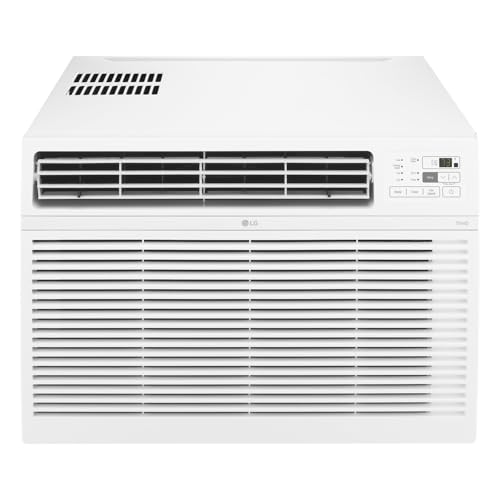
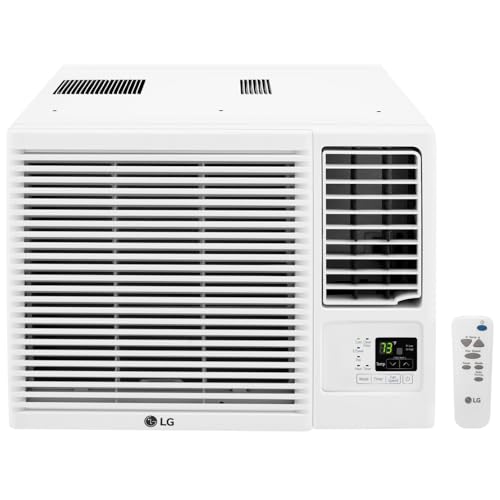
24000 BTU Window Air Conditioner: The Complete Guide
Everything you need to know about selecting, installing, and maintaining a 24000 BTU window air conditioner for large rooms and open living spaces. Make an informed decision before you buy.
START LEARNINGWhy 24000 BTU? A 24000 BTU window air conditioner sits in the high-capacity segment of the window AC market. It is engineered for spaces that smaller units simply cannot handle — open-plan living areas, large master suites, finished basements, and combined kitchen-dining rooms. This guide walks you through sizing, electrical requirements, efficiency considerations, and the practical realities of living with a unit this powerful.
What Is a 24000 BTU Window Air Conditioner?
A 24000 BTU window air conditioner is a self-contained cooling system designed to be mounted in a window frame or through a wall sleeve. The "24000 BTU" designation refers to the unit's cooling capacity — British Thermal Units per hour — which places it among the most powerful window-mounted units commonly available for residential use. Unlike portable units that sit on the floor, a window AC draws outside air across its condenser coils and exhausts heat directly outdoors, which makes it inherently more efficient than a single-hose portable design.
These units are typically built for rooms between 1,400 and 1,600 square feet, though real-world performance depends on ceiling height, insulation, window orientation, and how many people occupy the space. If you are still comparing capacity tiers, our guide to 18,000–24,000 BTU AC units explains how this class fits into the broader spectrum of cooling capacities. For a direct comparison with slightly smaller units, the 14000 BTU window air conditioner page covers the tier just below this one.
What separates a 24000 BTU window unit from its smaller siblings is not just capacity but also electrical infrastructure. Most units in this class run on 230/240-volt power and require a dedicated circuit — a detail that catches many first-time buyers off guard. Understanding this requirement before you shop is essential, and our breakdown of 110V vs 240V air conditioners covers the electrical fundamentals in detail.
Is 24000 BTU the Right Capacity for Your Space?
Getting the capacity right is the single most important decision in the buying process. An undersized unit runs constantly without reaching the set temperature, while an oversized unit cools too quickly and cycles on and off — a pattern that leaves the room feeling clammy and wears out the compressor prematurely. The general rule of thumb is 20 BTU per square foot for a standard room with 8-foot ceilings, average insulation, and normal sun exposure.
That formula puts 24000 BTU squarely in the 1,200 to 1,600 square foot range depending on conditions. If your space has tall ceilings, large west-facing windows, poor insulation, or a kitchen that generates heat, you should lean toward the higher end of that range or consider a slightly larger unit. Conversely, a well-insulated, shaded room might be adequately served by a 24000 BTU unit even at 1,600 square feet. Our air conditioner sizing guide provides a more granular room-by-room methodology, and the BTU calculator by room size helps you run the numbers for your specific layout.
It is also worth noting that a 24000 BTU window unit is often a practical alternative to central air in homes where ductwork is absent or prohibitively disruptive to install. If you are weighing window versus central options, the comparison between ductless and ducted AC lays out the trade-offs clearly.
24000 BTU Window AC at a Glance
| Specification | Typical Range | Notes |
|---|---|---|
| Cooling Capacity | 24,000 BTU/hr | Best for 1,400–1,600 sq ft under standard conditions |
| Room Coverage | Large living areas, open-plan spaces | Adjust for ceiling height and sun exposure |
| Voltage | 230/240V | Requires dedicated circuit; not a standard wall outlet |
| Amperage | ~10–12 amps | Typically needs a 20-amp breaker |
| SEER Rating | 15–18+ (varies by model tier) | Higher SEER = greater efficiency over the unit's lifespan |
| Unit Weight | 100–150 lbs | Two-person or professional installation recommended |
| Noise Level | 55–65 dB (varies by fan speed) | Quiet-mode features available on higher-tier models |
| Refrigerant | R32 or R410A | R32 is increasingly common in newer units |
Electrical Requirements You Must Understand
The electrical demands of a 24000 BTU window air conditioner are the most common source of installation surprises. Unlike a 5,000 or 8,000 BTU unit that plugs into a standard 115-volt household outlet, a 24000 BTU unit draws enough current to require a 230/240-volt circuit. In practice, this means you need a dedicated circuit with an appropriate breaker — typically 20 amps — and a matching outlet type, often a NEMA 6-15R or 6-20R receptacle.
If your home does not already have a suitable circuit near the installation window, you will need an electrician to run one. This is not a DIY task for most homeowners. Our article on whether you need an electrician for AC installation walks through the decision, and the guide to amps and breaker size for AC units helps you verify that your panel can support the load. Before committing to any unit, check your electrical panel's available capacity — the home electrical panel checklist is a useful starting point.
If your home lacks the infrastructure for a 240-volt window unit and upgrading the panel is not feasible, you may want to compare this option against a 24000 BTU air conditioner in a different form factor, or explore the 18000 BTU window air conditioner 120 volt if a slightly smaller capacity on standard voltage suits your space.
Efficiency Ratings: SEER, EER, and What They Mean for You
Efficiency is where the long-term ownership experience diverges most sharply between entry-level and top-tier models in this class. The SEER (Seasonal Energy Efficiency Ratio) rating tells you how efficiently a unit converts electricity into cooling over an entire season — higher is better. For window units in the 24000 BTU class, a SEER of 15 is a reasonable baseline, while ratings of 17 or 18 indicate a notably more efficient design.
EER (Energy Efficiency Ratio) is a related metric measured at a single operating condition, and it is often more relevant for window units because they run in a fixed installation rather than a variable-speed system. Our explainer on air conditioner efficiency breaks down how these ratings are calculated and what they mean in practice. For a deeper dive into the rating systems themselves, see the guide to SEER, EER, and HSPF ratings. If you are considering a unit that carries the ENERGY STAR window air conditioner with remote designation, you can expect it to meet or exceed the efficiency threshold set by the program.
One practical note: in the 24000 BTU window category, inverter-driven compressors are increasingly common. An inverter compressor varies its speed to match the cooling load rather than cycling on and off at full power. The result is steadier temperatures, quieter operation, and better efficiency in part-load conditions. Our guide to inverter AC technology explains the mechanism, and the comparison of inverter vs non-inverter AC helps you decide whether the premium is justified for your usage pattern.
Installation Considerations for Large Window Units
A 24000 BTU window air conditioner is a heavy piece of equipment — often between 100 and 150 pounds. Installing one is a two-person job at minimum, and professional installation is strongly recommended for several reasons. First, the unit must be properly supported; a standard window frame may need reinforcement, and the unit should tilt slightly outward so that condensate drains correctly. Second, the electrical connection must be handled safely, which usually means an electrician's involvement. Third, many municipalities require a permit for this type of installation, and our guide on how to get an AC permit outlines the process.
Window selection matters too. A double-hung window is the most common mounting point, but the unit's weight and dimensions may require a specific window width and sash configuration. If your window setup is not suitable, a through-the-wall installation may be the better path — the through-the-wall AC guide covers that alternative, and the 15000 BTU through-the-wall air conditioner page shows how the capacity tiers translate to that form factor.
Placement within the room also affects performance. A window that receives direct afternoon sun will force the unit to work harder, so a shaded or north-facing window is preferable when you have a choice. The guide to AC indoor and outdoor placement offers broader principles that apply here as well. If you are hiring help, our article on companies that install window air conditioners explains what to look for in a contractor.
Advantages and Limitations of 24000 BTU Window Units
Strengths
- High cooling capacity for large rooms without ductwork
- Lower upfront outlay compared to central systems
- Straightforward installation relative to split systems
- No refrigerant lines or outdoor condenser unit to maintain
- Effective spot cooling for open-plan living areas
- Modern models offer remote control, timers, and smart features
Limitations
- Requires 230/240-volt dedicated circuit
- Heavy unit — professional installation advised
- Blocks part of the window and reduces natural light
- Noise levels higher than mini-split systems
- Cooling is concentrated in the room where it is installed
- May require window reinforcement or a wall sleeve
Features Worth Prioritizing in This Capacity Class
At the 24000 BTU tier, the differences between models are often found in features rather than raw cooling power. Here is what to look for, organized by how much they affect day-to-day use.
Inverter Compressor
Variable-speed operation delivers steadier temperatures and quieter performance than fixed-speed compressors. A worthwhile feature in this capacity class, where cycling on and off is more noticeable.
Remote and Smart Controls
Remote control is standard on most mid-range and top-tier units. Wi-Fi connectivity and app control are increasingly common and let you adjust settings without crossing the room — see our guide to AC with Wi-Fi and smart control.
Quiet Operation
Larger units are inherently louder, but some models are engineered for reduced noise. If the unit will be near a bedroom or home office, prioritize models with published low-noise figures — our quiet air conditioner guide explains what to look for.
Air Filtration
Washable filters are standard, but some units add more sophisticated filtration. If air quality is a priority, the AC with air purifier overview covers what additional filtration stages actually deliver.
Heating Function
A heat-pump-equipped window unit can provide both cooling and heating, extending its usefulness into shoulder seasons. The 24000 BTU window air conditioner with heat page explores this variant in detail.
Energy Star Certification
ENERGY STAR models meet stricter efficiency criteria than the minimum standard. If you want to compare specific certified units, the ENERGY STAR window air conditioner with remote page is a useful reference.
Maintenance Practices That Extend Unit Life
A 24000 BTU window unit is a long-term investment, and regular maintenance is what protects that investment. The single most important task is cleaning or replacing the air filter — typically every two to four weeks during heavy use. A clogged filter restricts airflow, forces the compressor to work harder, and degrades cooling performance. Our guide on how to clean an AC filter covers the process step by step.
Beyond the filter, the condenser coils on the outdoor side of the unit accumulate dust, pollen, and debris over time. Cleaning them annually — or more often in dusty environments — keeps heat transfer efficient. The condenser coil cleaning guide explains the safe method. At the start of each cooling season, a brief seasonal AC checklist run-through will catch small issues before they become expensive ones.
If the unit stops cooling effectively despite clean coils and a fresh filter, the cause may be a refrigerant issue or a failing component. Our troubleshooting guide on AC not cooling walks through the diagnostic sequence, and the article on AC blowing cold air but not cooling the house addresses a specific and common symptom. When a repair exceeds your comfort level, the guide on when to call an HVAC technician helps you decide.
Ready to Compare 24000 BTU Window Units?
You now understand the capacity class, the electrical requirements, the efficiency metrics that matter, and the installation realities. The next step is to explore specific models that match your room, your electrical setup, and your feature priorities.
VIEW RECOMMENDED MODELSFrequently Asked Questions
Making Your Final Decision
A 24000 BTU window air conditioner is a serious piece of cooling equipment. It is the right answer when you have a large, open space, no ductwork, and the electrical infrastructure to support it. The decision process comes down to four checks: confirming your room size against the capacity range, verifying your electrical panel and outlet situation, deciding which efficiency tier and features matter for your usage, and arranging a safe installation.
If you are still exploring alternatives, the 24000 BTU air conditioner overview covers other form factors at this capacity, and the 24000 BTU mini-split heat pump page is worth reading if you want heating and cooling from a single system. For a straightforward window-unit comparison at the next capacity tier down, the 18000 BTU window air conditioner with heat offers a useful reference point. Whatever you choose, the research you have done here puts you in a stronger position to select a unit that fits your space and your long-term needs.