Central Heating and Cooling: The Complete Guide
Understand how combined heating and cooling systems work, which configuration suits your home, and what to evaluate before you invest in whole-home comfort.
Why this guide matters: A central heating and cooling system is one of the most significant comfort investments a homeowner can make. Unlike a single window unit, it conditions every room through shared ductwork — but that also means the choice of system type, capacity, and efficiency class affects your comfort and energy use for many years.
This guide walks you through the main configurations, how to match a system to your home, and the practical details that separate a well-specified installation from a disappointing one. By the end, you should feel confident evaluating options and asking contractors the right questions.
What Is a Central Heating and Cooling System?
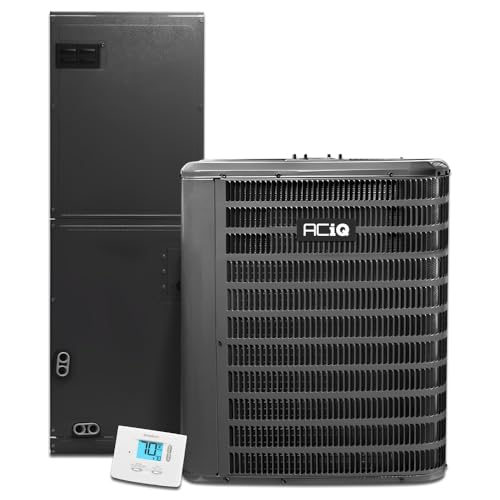
A central heating and cooling system conditions air at a single indoor unit and distributes it through a network of ducts to every room. The same ductwork carries either cooled or warmed air depending on the season, which is why these systems are often described as "combined" or "year-round" comfort systems. The two most common configurations are a split system — where an outdoor condenser pairs with an indoor air handler or furnace — and a packaged unit — where all components sit in a single outdoor cabinet.
The concept is straightforward, but the components are worth understanding. The outdoor unit handles heat rejection (cooling season) or heat absorption (heat pump operation). The indoor unit moves air across a coil and, in the case of a furnace, adds heat through combustion or electric resistance. A thermostat coordinates the whole system. If you want a deeper technical foundation, our overview of how a central air conditioning system is assembled explains the refrigerant loop and airflow path in detail.
Main System Configurations
Not every central system is built the same way. The configuration you choose determines installation complexity, ductwork requirements, and how well the system handles heating versus cooling duty. Below are the primary options homeowners encounter.
Split System with Furnace
An outdoor condenser paired with an indoor furnace and evaporator coil. Heating comes from the furnace (gas, oil, or electric), cooling from the condenser. The most common configuration in homes with existing ductwork.
Heat Pump System
A single outdoor unit that reverses the refrigerant cycle to provide both heating and cooling. Efficient in moderate climates and increasingly popular as a replacement for separate furnace-plus-AC setups.
Packaged Unit
All components — compressor, condenser, evaporator, and heating element — housed in one outdoor cabinet. Suited to homes without a basement or crawlspace, or where indoor space is limited.
Ductless Mini-Split (Zoned)
No central ductwork; individual indoor heads condition specific rooms. Not a true central system, but a valid alternative when duct installation is impractical. Compare approaches in our ductless versus ducted comparison.
If your home already has ductwork, a split system or heat pump is usually the most practical path. If you are building new or replacing an older system, the choice between furnace-plus-AC and a heat pump deserves careful thought — our guide to combination heating and air conditioning units covers the trade-offs in more depth.
Sizing: Getting Capacity Right
An oversized system cools quickly but cycles on and off frequently, which hurts humidity control and puts stress on components. An undersized system runs continuously and never quite reaches the setpoint on the hottest days. Proper sizing is based on a room-by-room heat load calculation — not a simple square-footage rule — though square footage gives a useful first approximation.
Capacity Reference by Home Size
- Up to 1,200 sq ft: typically a 1.5–2 ton system (18,000–24,000 BTU). See central air conditioning for a 1,200 sq ft house.
- 1,400–1,500 sq ft: commonly a 2–2.5 ton system. Reference: central air unit for a 1,500 sq ft home.
- 2,000–2,400 sq ft: typically 2.5–3.5 tons depending on climate and insulation. See central air conditioner for a 2,400 sq ft house.
- 3,000+ sq ft: often 4–5 tons, frequently with zoning. Reference: AC unit sizing for a 3,000 sq ft house.
Treat these figures as starting points, not final answers. Ceiling height, window area, insulation quality, and local climate all shift the calculation. A contractor should perform a Manual J load calculation before recommending a tonnage. If you want to understand the method behind that calculation, see our guide to Manual J load calculation.
Efficiency Ratings Explained
Efficiency is where central systems differ most dramatically across tiers. Cooling efficiency is measured by SEER2 (seasonal energy efficiency ratio), while heating efficiency for furnaces is measured by AFUE (annual fuel utilization efficiency) and for heat pumps by HSPF2. Higher ratings mean lower energy consumption for the same comfort output — but the right target depends on your climate and how long you plan to stay in the home.
| Tier | Typical SEER2 Range | Best For |
|---|---|---|
| Entry-level | Minimum compliant | Mild climates, short-term ownership, limited ductwork upgrades |
| Mid-range | Moderately above minimum | Most homeowners balancing efficiency and upfront outlay |
| High-end | Well above minimum | Hot climates, long-term ownership, variable-speed comfort priority |
| Top-tier | Highest available | Whole-home comfort enthusiasts, extreme climates, zoned systems |
Two-stage and variable-speed compressors sit at the higher end of the efficiency spectrum. They modulate output rather than cycling fully on and off, which improves humidity control and reduces temperature swings. Our explainer on variable speed AC covers how this modulation works and where it delivers the most benefit. For a broader look at what the SEER rating actually measures, see what is a SEER rating.
Ductwork and Installation Considerations
A central system is only as good as its ductwork. Leaky or undersized ducts can waste a substantial share of conditioned air before it reaches the rooms. Before installing a new system — or replacing an old one — have the ducts inspected for leaks, obstructions, and proper sizing. Sealing and insulating ducts is often one of the highest-return improvements available. Our guide on how to seal air ducts walks through the process.
Placement matters too. The outdoor unit needs clearance for airflow and should be positioned away from dryer vents and dense vegetation. The indoor air handler or furnace needs adequate return-air paths. If your home has an older electrical panel, confirm capacity before committing to a system — our guide on checking your home electrical panel covers what to look for.
Pre-Installation Checklist
- Confirm ductwork condition and sizing with a pressure test if possible.
- Verify electrical panel capacity for the new system's amperage draw.
- Decide on a filter strategy — media cabinet versus standard filter slot.
- Plan thermostat location away from direct sun, drafts, and heat sources.
- Ask the contractor for a load calculation and a written scope of work.
- Check whether a permit is required in your jurisdiction. See do I need a permit for AC.
The Heating Side: Furnace vs Heat Pump
When people say "central heating and cooling," they usually mean a system where the heating component and the cooling component share the same air distribution. The furnace route — gas, oil, or electric — delivers strong, fast heating in cold climates. The heat pump route reverses the cooling cycle to move heat into the home, which is highly efficient in moderate climates but may need a supplemental heat source in deep cold. Our comparison of heat pumps versus air conditioners explains the operating differences clearly.
If you already have a furnace and are adding cooling, you are looking at a central air with furnace setup. If the furnace is aging, replacing both at once is often the more coherent path — the components are matched for refrigerant type, coil size, and airflow. Our guide to central air conditioner replacement covers the timing question.
Maintenance for Long-Term Reliability
Central systems reward consistent maintenance. Filter changes at the manufacturer-recommended interval keep airflow healthy and protect the blower and coil. Annual professional service — coil cleaning, refrigerant charge verification, electrical inspection — catches small issues before they become compressor failures. Our seasonal checklist in the seasonal AC checklist is a practical reference.
If cooling performance drops or the system behaves erratically, troubleshooting guidance in our common AC problems article can help you decide whether a DIY fix is appropriate or a technician is needed. For coil-specific cleaning, see cleaning coils on a central air conditioner.
Choosing a Contractor
Installation quality has a direct effect on system performance and lifespan. A meticulous install of an entry-level system will outperform a rushed install of a top-tier one. Look for contractors who perform load calculations, offer a written scope, pull the required permits, and stand behind their work with a labor warranty. Our guide to choosing an HVAC contractor covers the vetting questions worth asking.
Frequently Asked Questions
How long does a central heating and cooling system last?
With regular maintenance, a well-installed central system typically operates for 12–17 years. Heat pumps and furnaces have similar service lives, though the compressor and heat exchanger are the components most likely to define end-of-life. Proper sizing and clean ductwork both extend lifespan.
Can I add central cooling to my existing furnace?
Yes, in most cases. A matched evaporator coil and outdoor condenser can be paired with a compatible furnace, provided the ductwork can handle the added airflow and the electrical panel has capacity. A load calculation confirms whether the existing furnace blower can support the new coil.
Is a heat pump a good replacement for a furnace and AC combination?
In moderate climates, a heat pump can handle both seasons efficiently and simplify the system. In colder climates, a cold-climate heat pump or a dual-fuel setup (heat pump plus furnace backup) is often the better approach. The decision depends on local winter temperatures and utility rates.
How often should central systems be serviced?
Annual professional service is the standard recommendation — ideally in spring before cooling season and, for furnace-equipped systems, a second visit in fall. Filter changes happen more frequently, typically every 1–3 months depending on filter type and household conditions.
What is the difference between a packaged unit and a split system?
A packaged unit houses all components in one outdoor cabinet, which suits homes without indoor mechanical space. A split system separates the outdoor condenser from the indoor air handler or furnace, which is the more common arrangement in homes with basements, crawlspaces, or mechanical closets.
Next Steps
If you are evaluating a central heating and cooling system, the most useful sequence is: understand your home's load, assess your ductwork, decide between furnace-plus-AC and heat pump, then compare systems within the tier that fits your climate and ownership horizon. For homes with specific square footage, our guides on central AC for a 1,000 sq ft house and central AC for a 2,400 sq ft house provide more targeted starting points.
If your existing system is struggling rather than absent, troubleshooting resources such as central air conditioner not blowing cold air and central air turns on but does not cool can help you distinguish a repair from a replacement decision.
Ready to Compare Central Systems?
Explore our recommended central heating and cooling options below. Each listing includes specifications and availability so you can evaluate systems side by side before making a decision.
View Recommended Systems