
Cordless Portable Air Conditioner for Car: The Complete Guide
Everything you need to know before choosing a battery-powered cooling unit for your vehicle — how cordless car ACs work, which capacity fits your cabin, installation tips, runtime expectations, and the features that matter most for long-term comfort.
What Is a Cordless Portable Air Conditioner for a Car?
A cordless portable air conditioner for a car is a self-contained cooling device that operates without a direct wired connection to the vehicle's electrical system. Instead of drawing power continuously from the car battery through a 12V socket, these units rely on a rechargeable battery pack — typically lithium-ion or lithium-polymer — that can be charged at home, in the office, or via a vehicle charging port between uses.
These units are designed for temporary or supplemental cooling rather than replacing a vehicle's built-in HVAC system. They are especially useful in situations where the main air conditioning is unavailable, inefficient, or impractical — such as older vehicles without working AC, rideshare drivers waiting between trips, campers and road-trippers, or passengers in rear seats that receive weak airflow from the front vents.
Most cordless car air conditioners are compact enough to sit on a center console, floorboard, or seat, and many include carry handles for easy transport between vehicles. They typically combine a cooling mechanism (compressor-based or evaporative), a fan for air circulation, and a battery system in a single portable housing.
How Cordless Car Cooling Works
Understanding the cooling mechanism helps you set realistic expectations and choose the right unit for your climate and vehicle. Cordless portable car air conditioners generally fall into two cooling categories:
Compressor-Based Cooling
These units use a small compressor and a sealed refrigerant circuit to actively remove heat from the air. They operate similarly to a miniature refrigerator: refrigerant absorbs heat as it evaporates inside the evaporator coil, then releases it outside through the condenser. Compressor-based cordless units deliver the strongest cooling performance and can lower cabin air temperature noticeably, but they are heavier and draw more battery power. They are best suited for users who need genuine refrigerated cooling rather than just air movement.
Evaporative Cooling
Evaporative models pass air over a water-soaked pad or an ice chamber. As water evaporates, it absorbs heat from the airflow, producing a cooler breeze. These units are lighter and consume less power, but their effectiveness depends on ambient humidity — they work best in dry climates and lose cooling efficiency in humid conditions. They do not use refrigerant and require regular water or ice replenishment.
In both designs, a fan pushes conditioned air into the cabin, and most models include adjustable louvers or oscillation to direct airflow. Battery placement and capacity determine how long the unit can run before recharging is needed.
If you are comparing cooling approaches for spaces without traditional ductwork, our guide to cooling options for homes without ductwork covers broader alternatives that share similar principles.
Types of Cordless Car Air Conditioners
Cordless car cooling products vary widely in form factor, cooling method, and intended use. The main categories are:
Battery-Powered Compressor Units
These are the closest thing to a true portable air conditioner for a vehicle. They contain a small compressor, refrigerant circuit, and rechargeable battery in one housing. They deliver the coldest air but are heavier, bulkier, and usually positioned in the mid-range to premium tiers of the market. Runtime is shorter than evaporative models because the compressor is power-hungry.
Evaporative Battery-Powered Coolers
Lighter and more portable, these units use a fan and water/ice evaporation to produce cooler air. They are ideal for dry climates and short trips. Many entry-level and mid-tier cordless car coolers fall into this category. They are not true air conditioners in the refrigerated sense, but they provide meaningful comfort in hot, arid conditions.
Hybrid Battery and 12V Units
Some models can run on either an internal battery or a 12V car socket, giving flexibility during long drives. When plugged into the vehicle, they conserve battery; when unplugged, they continue running on stored power. These hybrid designs are practical for users who want cordless freedom without sacrificing continuous operation on road trips.
Neck and Personal Cooling Devices
A newer category includes wearable or personal cordless cooling devices that direct chilled air at the user rather than cooling the whole cabin. These are not cabin air conditioners, but they are relevant for drivers who want targeted relief without installing a larger unit.
Choosing the Right Cooling Capacity for Your Vehicle
Cabin size, sun exposure, and insulation all influence how much cooling a cordless unit can realistically provide. Because these devices are supplemental by nature, matching capacity to your use case matters more than chasing the highest number on a specification sheet.
Cabin Size Considerations
A compact sedan or two-door coupe has a much smaller air volume than an SUV, van, or truck cab. Smaller cabins are easier to cool with a modest unit, while larger cabins may require a compressor-based model with higher airflow to make a noticeable difference. For context on how room size affects cooling requirements in stationary spaces, see our breakdown of 12,000–14,000 BTU cooling, which illustrates the relationship between volume and capacity.
Climate and Sun Load
In dry, mild climates, an evaporative cordless cooler can be sufficient. In hot, humid regions, compressor-based cooling is more effective because it dehumidifies as it cools. Parked vehicles in direct sun absorb significant heat through glass and body panels, so pre-cooling or shading the cabin before running a portable unit improves results.
Number of Occupants
More occupants means more body heat and moisture in the cabin. A unit that feels adequate for a solo driver may be insufficient for a full car. If you regularly carry passengers, prioritize airflow volume and directional venting over raw cooling power alone.
| Vehicle Type | Recommended Tier | Best For |
|---|---|---|
| Compact sedan / coupe | Entry-level to mid-range | Solo commuters, short trips |
| Mid-size sedan / crossover | Mid-range | Daily driving, rideshare |
| SUV / minivan | Mid-range to premium | Family travel, road trips |
| Pickup truck / van cab | Premium compressor-based | Work vehicles, long shifts |
Battery Life and Power Management
Battery runtime is the single most important practical factor for cordless car air conditioners. Unlike a home unit that stays plugged in, a cordless device must balance cooling output against stored energy. Understanding the variables helps you plan usage and avoid disappointment.
What Affects Runtime
- Battery capacity: Measured in watt-hours or milliamp-hours, larger packs run longer but add weight.
- Fan speed: Higher fan speeds increase airflow but drain the battery faster.
- Cooling mode: Compressor-based cooling consumes significantly more power than fan-only or evaporative modes.
- Ambient temperature: Hotter cabins force the unit to work harder, reducing runtime.
- Battery age and chemistry: Lithium-based packs hold capacity well over time, but all batteries degrade gradually.
Typical Runtime Expectations by Tier
Entry-level cordless coolers generally run a few hours per charge. Mid-range models with larger battery packs extend that window meaningfully. Premium and professional-grade units — often compressor-based with high-capacity battery systems — can run through a full work shift or a long road-trip leg before needing a recharge.
Charging Strategies
Plan charging around your routine. Many users charge overnight at home, keep a second battery pack for extended trips, or use a vehicle charging adapter between drives. Hybrid units that accept 12V power can run continuously during driving while preserving battery for stops.
Key Features to Look For
Not all cordless car air conditioners are built to the same standard. When comparing options, focus on the features that directly affect comfort, safety, and longevity.
Cooling Technology
Decide between compressor-based and evaporative cooling based on your climate. Compressor units are more capable in humid heat; evaporative units are lighter and simpler in dry conditions.
Battery System
Look for removable battery packs, fast-charging support, and clear runtime specifications at different fan speeds. Removable packs let you swap in a fresh battery without waiting for a recharge.
Airflow and Directional Control
Adjustable louvers, oscillation, and multiple fan speeds improve comfort by directing cool air where it is needed. In vehicles, targeted airflow often matters more than total output.
Noise Level
Cabin noise affects driver fatigue and passenger comfort. Compressor units are generally louder than evaporative models. Check decibel ratings if quiet operation is a priority.
Build Quality and Mounting
Durable construction, non-slip bases, and secure mounting options matter in a moving vehicle. A unit that slides or tips during braking is a safety concern. Look for reinforced housings and stable footprints.
Drainage and Condensation Management
Compressor-based units produce condensate. Built-in drainage trays or hose options prevent water from pooling in the cabin. Evaporative units require water refills but generally produce less condensate.
Portability
Handles, compact dimensions, and reasonable weight make it easier to move the unit between vehicles or store it when not in use.
Installation and Placement Tips
Correct placement improves cooling performance and ensures safe operation while the vehicle is moving or parked.
Where to Place the Unit
- Center console or between seats: Provides balanced airflow to front and rear occupants.
- Passenger floorboard: Keeps the unit out of the driver's way while still circulating air.
- Rear cargo area (SUVs/vans): Useful for cooling rear passengers, but check that airflow reaches the intended zone.
Safety Considerations
- Secure the unit so it cannot slide or tip during sudden stops.
- Keep power cords and battery packs away from pedals, seat rails, and moving parts.
- Do not block airbags, seatbelts, or the driver's field of view.
- Vent exhaust air appropriately if the unit produces warm exhaust; never seal a running unit in an enclosed space without ventilation.
Maximizing Cooling Efficiency
Pre-cool the cabin by opening windows briefly to release trapped heat, then close them and run the unit. Use sunshades on windows and park in shade when possible. Direct the unit's airflow toward occupants rather than empty space.
For drivers dealing with broader vehicle cooling issues, our guide to recharging a car air conditioner explains when a built-in system service may be the better path.
Maintenance and Longevity
Regular maintenance keeps a cordless car air conditioner performing well and extends its service life.
Routine Care
- Clean or replace filters: Dust and debris reduce airflow and cooling efficiency. Follow the manufacturer's schedule.
- Empty and clean water tanks (evaporative models): Prevent mold and odors by draining water after use and cleaning the tank regularly.
- Check drainage (compressor models): Empty condensate trays before they overflow and inspect drainage lines for blockages.
- Battery care: Store batteries at moderate temperatures, avoid full discharge for long periods, and follow charging guidelines.
- Inspect housing and seals: Look for cracks or loose parts that could worsen over time in a vibrating vehicle environment.
Seasonal Storage
When the cooling season ends, clean the unit thoroughly, dry all water components, charge the battery to a moderate level (not full or empty), and store in a dry, temperature-controlled space. Proper storage preserves battery health and prevents mold growth.
Cordless vs 12V vs Built-In Car AC
Understanding how cordless units compare to alternatives helps you choose the right solution for your situation.
| Factor | Cordless Portable | 12V Portable | Built-In Vehicle AC |
|---|---|---|---|
| Power source | Rechargeable battery | Vehicle 12V socket | Engine-driven compressor |
| Placement flexibility | High — move anywhere | Limited by cord length | Fixed system |
| Cooling strength | Supplemental | Supplemental | Full cabin cooling |
| Runtime | Battery-limited | Continuous while driving | Continuous while engine runs |
| Best for | Parked cooling, older vehicles, flexible use | Long drives, budget-minded setups | Everyday driving comfort |
For a broader look at how cooling systems are structured in buildings — a useful comparison point for understanding compressor cycles — see our overview of central air conditioning components.
Frequently Asked Questions
How does a cordless portable air conditioner for a car work?
A cordless portable car air conditioner uses a rechargeable battery pack to power a compact compressor or evaporative cooling system. It draws in ambient air, cools it through the evaporator, and circulates chilled air into the cabin without needing a wired connection to the vehicle's electrical system.
How long can a battery-powered car air conditioner run on a single charge?
Runtime varies by model and battery capacity. Entry-level units typically run 2 to 4 hours per charge, mid-range models offer 4 to 6 hours, and premium models with high-capacity battery packs can deliver 6 to 8 hours or more, depending on fan speed and ambient temperature.
Can I use a cordless portable AC while driving?
Yes, most cordless portable car air conditioners are designed for use while driving. However, secure the unit properly to prevent movement, ensure it does not obstruct your view or interfere with vehicle controls, and verify that the power cord or battery placement does not create a hazard.
Do cordless car air conditioners require refrigerant?
It depends on the cooling technology. Compressor-based models use a sealed refrigerant circuit and do not require user refilling under normal operation. Evaporative cooling models use water or ice and do not use refrigerant at all. Always check the product specifications before purchase.
Are cordless car AC units effective in humid climates?
Compressor-based units perform well in humid conditions because they dehumidify as they cool. Evaporative models are less effective in high humidity because evaporation slows, reducing cooling output. Choose compressor-based cooling if you live in a humid region.
Can a cordless car air conditioner replace my vehicle's built-in AC?
No. Cordless portable units are supplemental cooling devices. They can improve comfort in specific situations — parked vehicles, weak rear vents, or older cars with failing systems — but they cannot match the cooling capacity of a properly functioning built-in vehicle HVAC system.
Ready to Explore Your Options?
Browse our curated selection of cordless portable air conditioners for cars, organized by cooling type, battery capacity, and intended use.
Recommended Cordless Portable Air Conditioners for Cars
⚠️ AFFILIATE DISCLOSURE: This website contains affiliate links. As an Amazon Associate, we earn from qualifying purchases. If you make a purchase through these links, we may receive a small commission at no additional cost to you. Read our full affiliate policy.

FLOWBREEZE 3-IN-1 Portable ac for Car, Dual Mist, 5400mAh Battery | Mini Air Conditioner for Camping, Personal Air Cooling Fan with 2 Ice Packs,1.2L Water Tank, 7H Timer, for Tent Desktop
Check price on Amazon
Portable Air Conditioners Rechargeable 6000mAh,Mini Air Conditioner,USB Small Personal AC Unit,3-Speed Quiet Evaporative Air Cooler Units for Room/Bedroom/Office/Rooms/Travel/Tent/Indoor/Outdoor-White
Check price on Amazon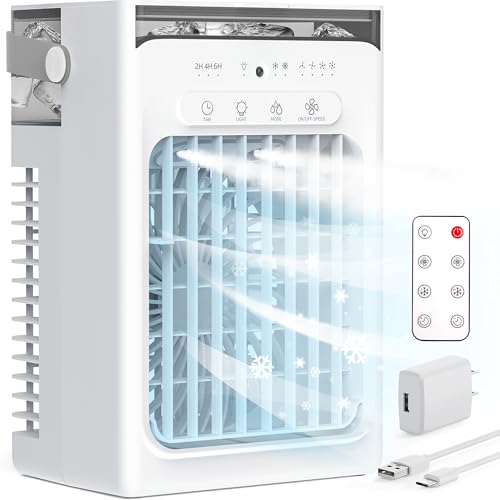
Portable Air Conditioners, Air Cooler Evaporative Personal Mini AC, 3 Wind Speed, 2-4-8H Timer, 3 Modes, Colorful Night Light, Portable AC for Room, Car, Bedroom, Camping d
Check price on Amazon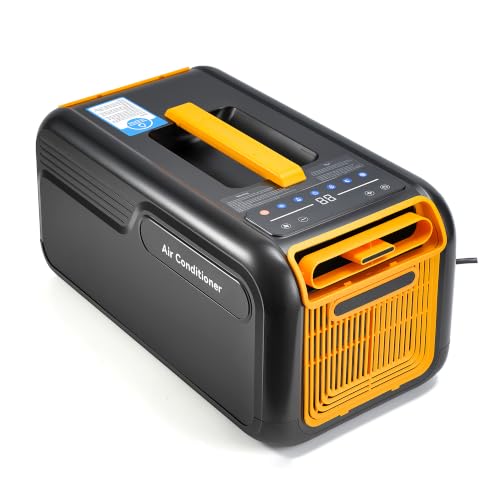
Portable Camping Air Conditioner, 5000 BTU 110V Tent AC Unit | 490W Low Power 6-in-1 Portable AC – Cooling & Heating Dual Mode, Fast Cooling for Tent Camping RV, Truck, Small Warehouse
Check price on Amazon
Portable Air Conditioners, Air Cooler Evaporative Personal Mini AC,Portable AC for Room, Car, Bedroom, Office, Outdoor-WHITE
Check price on Amazon
Cordless Portable Car Heater, 12V Rechargeable Window Defroster & Demister | 2-Speed Warm Air Blower with Tip-Over Auto Shut-Off, Battery Operated Cabin Warmer for Truck, SUV, Camping & Office Desk
Check price on Amazon
Portable Air Conditioners,Small Mini AC Unit for bedroom | Evaporative Air Cooler Fan with Remote,1200ml,3 Speeds & Mist,2-8H Timer, for Camping Office Car,White
Check price on Amazon