
Cooling and Heating: A Complete Guide to Choosing the Right HVAC System
Understand how cooling and heating systems work together, compare AC units, heat pumps, and furnaces, and learn how to size, select, and maintain the ideal climate solution for your home or office.
START LEARNINGCooling and Heating Philosophy: A comfortable home depends on a balanced climate system — not just a single appliance. Well-informed buyers compare cooling capacity, heating performance, efficiency ratings, and installation requirements before making a decision. This guide gives you the knowledge to choose confidently.
What Does "Cooling and Heating" Mean for Your Home?
Cooling and heating refers to the combined climate control systems that keep indoor temperatures comfortable year-round. In most homes, this means an air conditioner for warm months and a furnace, heat pump, or boiler for cold months. The two systems can operate independently or be integrated into a single HVAC setup.
Understanding how these systems interact is essential before purchasing. A cooling unit that is oversized for summer may struggle with humidity control, while an undersized heating system may run continuously during winter. The right balance depends on your climate zone, home insulation, square footage, and ductwork condition.
Modern systems increasingly combine both functions — ductless mini-splits and heat pumps provide cooling and heating from a single unit, which simplifies installation and can improve overall efficiency. For homes without existing ductwork, these combined options are often the most practical route to year-round comfort.
Core Components of a Cooling and Heating System
Every climate control system relies on a set of core components working together. Knowing these parts helps you troubleshoot issues and communicate effectively with technicians.
Compressor
The heart of the cooling cycle. It pressurizes refrigerant and moves it between indoor and outdoor units. A failing compressor for AC unit is one of the most serious repair scenarios.
Condenser Coil
Releases heat to the outside air. Regular condenser coil cleaning preserves efficiency and prevents overheating.
Evaporator Coil
Absorbs heat from indoor air. A dirty or frozen evaporator coil reduces cooling output and can lead to condensation inside AC unit problems.
Air Handler / Blower
Circulates conditioned air through ducts. In central systems, the air handler is often shared between cooling and heating functions.
Thermostat
Controls temperature settings. A cooling only thermostat is common in warm climates, while heat pump systems require a compatible model.
Ductwork
Distributes air throughout the home. Leaky ducts waste energy and reduce comfort. Learn about components of central air conditioning system for a full overview.
Cooling Options: Choosing the Right AC Type
The cooling market offers several distinct system types, each suited to different home layouts and budgets. Below is a comparison of the most common options.
1. Central Air Conditioning
Central AC uses a network of ducts to distribute cooled air throughout the home. It is the most common choice for single-family houses with existing ductwork. Modern central systems pair a condenser with an air handler and offer high efficiency ratings. For a full breakdown, see components of central air conditioning system.
Best for: Whole-home cooling in houses with ducts. Tier: mid-range to premium depending on SEER rating and brand.
2. Ductless Mini-Split Systems
Ductless mini-splits deliver cooled (and often heated) air directly to individual rooms without ductwork. They are ideal for additions, older homes, and spaces where duct installation is impractical. Installation is handled by specialized companies that install ductless air conditioners. For concealed options, explore concealed duct mini split air conditioner systems.
Best for: Room-by-room comfort, homes without ducts. Tier: mid-range to premium.
3. Window Air Conditioners
Window units are self-contained and install directly in a window frame. They suit single rooms and apartments where central systems are not feasible. Slimmer designs are available, such as the compact window slim window air conditioner.
Best for: Single rooms, renters, seasonal use. Tier: entry-level to mid-range.
4. Portable Air Conditioners
Portable units roll from room to room and require only a window vent. They are useful for temporary cooling or spaces without permanent installation options. See portable coolers for related options.
Best for: Temporary or flexible cooling. Tier: entry-level to mid-range.
Heating Options: Furnaces, Heat Pumps, and More
Heating systems vary widely by fuel type and distribution method. Choosing correctly depends on your climate, existing infrastructure, and long-term efficiency goals.
1. Furnaces
Gas and electric furnaces heat air and distribute it through ducts. They are reliable and widely available, but require ductwork and professional installation. Regular service from companies that fix furnaces keeps them running safely. A failed control board furnace cost is a common repair consideration.
Best for: Cold climates with existing ducts. Tier: entry-level to high-end tier.
2. Heat Pumps
Heat pumps provide both heating and cooling by reversing the refrigerant cycle. They are highly efficient in moderate climates and increasingly viable in colder regions with modern cold-climate models. Heat pumps are a core part of many cooling and heating setups.
Best for: Year-round comfort with one system. Tier: mid-range to premium.
3. Ductless Mini-Split Heat Pumps
These systems combine cooling and heating in a single ductless unit. They are ideal for room-specific climate control and can be installed by companies that install mini split air conditioner systems. For concealed installations, see concealed ducted mini split.
Best for: Additions, older homes, zoned comfort. Tier: mid-range to premium.
4. Boilers and Radiant Heating
Boilers heat water for radiators or radiant floors. They are common in older homes and provide comfortable, even heat. While not a cooling solution, they are part of the broader heating ecosystem and may coexist with separate cooling systems.
Best for: Older homes, radiant floor systems. Tier: mid-range to high-end tier.
How to Size a Cooling and Heating System
Proper sizing is the single most important factor in system performance. An oversized unit cools too quickly, leaving humidity high and causing short cycling. An undersized unit runs constantly and wears out faster.
Cooling capacity is measured in BTU (British Thermal Units). Heating capacity is often measured in BTU output or furnace input rating. Professional sizing uses Manual J load calculations, which account for square footage, insulation, windows, ceiling height, and climate zone.
| Home Size | Approx. Cooling Capacity | Typical System Type |
|---|---|---|
| Up to 600 sq ft | 12,000–14,000 BTU | Window, portable, or small mini-split |
| 600–1,000 sq ft | 18,000–24,000 BTU | Mini-split or small central |
| 1,000–1,500 sq ft | 24,000–30,000 BTU | Central AC or multi-zone mini-split |
| 1,500–2,500 sq ft | 30,000–42,000 BTU | Central AC with matched air handler |
| 2,500+ sq ft | 42,000+ BTU | Zoned central system or multiple units |
For a deeper walkthrough, review the components of central air conditioning system and consult a professional installer for an accurate load calculation. If you are planning a new installation, companies that install air conditioners can provide on-site assessments.
Efficiency Ratings You Should Know
Efficiency ratings determine long-term energy use and operating performance. The higher the rating, the more efficient the system — but efficiency also affects the tier of the product.
SEER / SEER2
Seasonal Energy Efficiency Ratio. Higher SEER means more efficient cooling. Modern standards require SEER2 ratings that reflect updated testing procedures.
HSPF / HSPF2
Heating Seasonal Performance Factor. Used for heat pumps to express heating efficiency across a season.
AFUE
Annual Fuel Utilization Efficiency. Measures how much fuel a furnace converts into usable heat. Higher AFUE indicates a high-end tier furnace.
EER / EER2
Energy Efficiency Ratio at a specific test condition. Complements SEER by showing peak-load efficiency.
Entry-level systems typically meet minimum standards, mid-range models improve efficiency meaningfully, and top-tier systems offer the highest ratings with advanced features. Choose the tier that matches your climate severity and usage hours.
Maintenance for Cooling and Heating Systems
Regular maintenance extends equipment life and preserves efficiency. A well-maintained system performs closer to its rated capacity and avoids preventable breakdowns.
- Clean or replace filters every 1–3 months depending on usage and pets.
- Clean condenser coils annually to maintain heat rejection. See condenser coil and condenser coils on AC unit for details.
- Check condensate drainage to prevent water damage. A condensate pump helps move water away from high-efficiency furnaces and air handlers.
- Inspect the condenser fan for debris and wear. A failing condenser fan on air conditioner reduces performance.
- Schedule professional tune-ups for both heating and cooling before peak seasons.
If you notice unusual sounds or performance drops, consult cooling and heating repair specialists early to avoid larger failures.
Common Cooling and Heating Problems
Understanding typical failure points helps you act quickly and avoid unnecessary downtime.
- AC not cooling: Often caused by dirty filters, low refrigerant, or a failing compressor on air conditioner not working.
- Water leaks: Blocked condensate lines or a malfunctioning condensation pump for gas furnace can cause overflow.
- Frozen coils: Restricted airflow or low refrigerant leads to ice buildup on the evaporator coil.
- Condenser fan failure: A condenser motor replacement cost is a common repair when the fan stops spinning.
- Compressor issues: A compressor HVAC failure is a major repair and should be assessed by a licensed technician.
Choosing the Right System for Your Home
Selecting a cooling and heating system is a multi-factor decision. Consider the following before committing to a purchase:
- Climate zone: Hot climates prioritize cooling efficiency; cold climates prioritize heating capacity and cold-weather performance.
- Home layout: Ducted homes suit central systems; ductless homes suit mini-splits.
- Insulation and windows: Poor insulation increases load and affects sizing.
- Existing infrastructure: Reusing ductwork or electrical panels can reduce installation complexity.
- Long-term goals: Efficiency-focused buyers should consider premium or high-end tier systems for lower operating impact.
For whole-home projects, companies that install air conditioners can assess ductwork and electrical readiness. If you are adding cooling to a home without ducts, review cooling options for homes without ductwork first.
System Comparison at a Glance
| System | Best For | Heating Capability | Market Tier |
|---|---|---|---|
| Central AC + Furnace | Whole-home comfort with ducts | Yes (furnace) | Mid-range to high-end tier |
| Heat Pump | Moderate climates, year-round use | Yes (integrated) | Mid-range to premium |
| Ductless Mini-Split | Room-specific, no ducts | Yes (heat pump models) | Mid-range to premium |
| Window AC | Single rooms, renters | No (cooling only) | Entry-level to mid-range |
| Portable AC | Temporary or flexible cooling | No (cooling only) | Entry-level to mid-range |
| Gas Furnace + Separate AC | Cold climates with ducts | Yes (dedicated) |
Ready to Compare Cooling and Heating Options?
Explore recommended systems below, or review installation guidance from qualified contractors before making a decision.
VIEW RECOMMENDED SYSTEMSFrequently Asked Questions
What is the difference between cooling and heating systems?
Cooling systems remove heat from indoor air and release it outside. Heating systems add heat to indoor air through combustion, electric resistance, or refrigerant reversal. Many modern systems, such as heat pumps, perform both functions in one unit.
Can one system handle both cooling and heating?
Yes. Heat pumps and ductless mini-split heat pumps provide both cooling and heating. They are efficient and increasingly popular in moderate climates. In very cold regions, a supplemental furnace may still be needed.
How do I know what size system I need?
Sizing depends on square footage, insulation, window area, ceiling height, and climate. A professional Manual J load calculation is the most accurate method. As a rough reference, 1,000–1,500 sq ft typically needs 24,000–30,000 BTU of cooling capacity.
What SEER rating should I look for?
Minimum standards vary by region, but higher SEER ratings indicate greater efficiency. Mid-range systems typically offer solid efficiency, while top-tier systems reach the highest available ratings with advanced features.
How often should I service my cooling and heating system?
Schedule professional maintenance once per year for each system — typically cooling service in spring and heating service in fall. Replace or clean filters every 1–3 months depending on usage.
What should I do if my AC stops cooling?
Check the air filter first. If the filter is clean, inspect the outdoor unit for debris and verify the thermostat settings. If the issue persists, contact a qualified technician. Persistent problems may indicate a refrigerant leak or a compressor on air conditioner not working.
Recommended Cooling and Heating Systems
⚠️ AFFILIATE DISCLOSURE: This website contains affiliate links. As an Amazon Associate, we earn from qualifying purchases. If you make a purchase through these links, we may receive a small commission at no additional cost to you. Read our full affiliate policy.

Lasko 42" DUO Comfort Tower Fan Space Heater - Remote - Gray - FH515 | 1500W, Widespread Oscillation, 3 Heat Settings, 8 Quiet Fan Speeds, Fan and Heater Combo for Indoor Use and Office, Timer
Check price on Amazon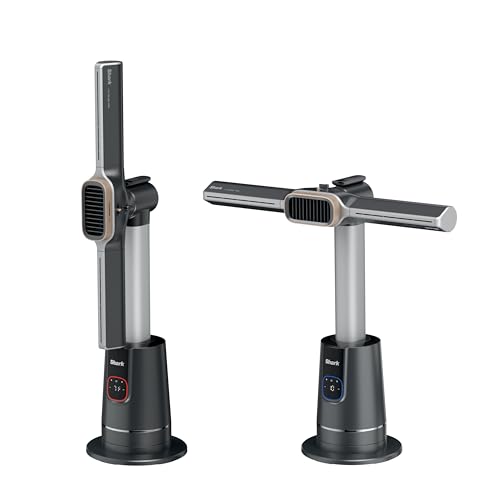
Shark TurboBlade Bladeless Tower Fan + Heat, Charcoal, TH202 | Ultra-Customizable Fan + Heater, Oscillates 180°, 10 Fan Speeds, 3 Heat Modes, Easy to Clean, Magnetic Remote
Check price on Amazon
DREO 42" Space Heater Large Room, 25dB Heater and Fan Combo with Remote | 17 Levels, 6 Modes, 120° Oscillation, 12H Timer, 8 Safety Protections, 29.2ft/s Standing Fans for Bedroom and Office, Silver
Check price on Amazon
2 in 1 Heater and Fan Combo, Portable Heating and Cooling Fan, Personal Air Calculator Fan with 45° Adjustable, 2 Wind Speeds & Overheat Protection, 1500 & 750W Space Heater for Indoor Use Home Office
Check price on Amazon
Midea 8,000 BTU Smart Inverter Air Conditioner Window Unit with Heat and Dehumidifier – Cools up to 350 Sq. Ft., Energy Star Rated, Quiet Operation, Electronic Controls, Remote Control, White
Check price on Amazon
Rellytech Mini Split AC/Heating System, 12000 BTU, 19 SEER2 115V/110V | Ductless air conditioner, energy efficient, pre-charged system, up to 750sq.ft coverage, inverter heating and cooling
Check price on Amazon