Air Conditioner Capacitor Replacement: What to Expect
A failing capacitor is one of the most common reasons an air conditioner stops cooling. Understand the symptoms, the repair process, and how to decide between a simple component swap and a larger system decision.
START WITH THE SYMPTOMSQuick summary: A capacitor is a small but critical electrical component that helps the compressor and fan motors start and run. When it fails, the unit may hum, trip breakers, or stop cooling entirely. Replacing it is usually a straightforward entry-level to mid-tier repair, but the right decision depends on the unit's age, overall condition, and whether other components are also failing.
What Is an AC Capacitor and Why Does It Fail?
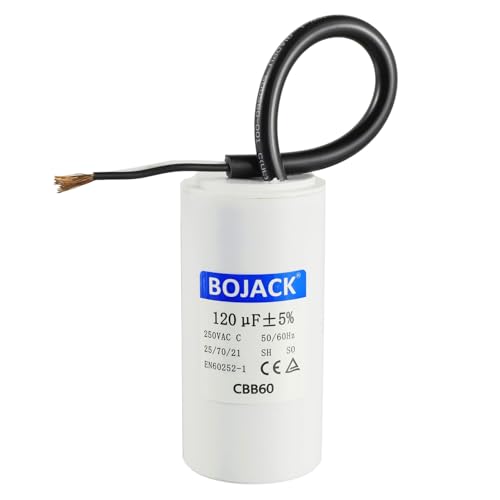
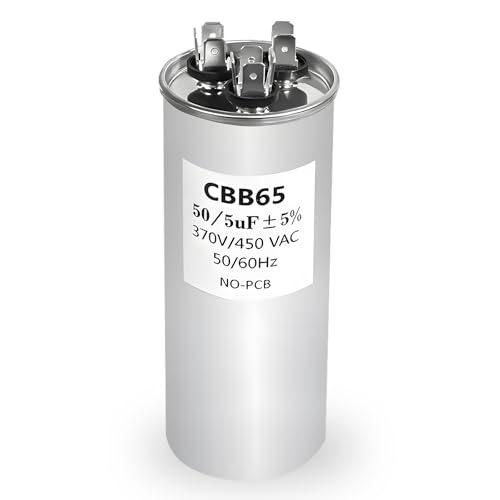
An air conditioner capacitor is a cylindrical electrical component that stores and releases energy to help the compressor and the outdoor fan motor start and keep running smoothly. Most residential units use two types: the start capacitor, which gives the compressor an initial boost, and the run capacitor, which keeps motors operating efficiently during the cooling cycle.
Capacitors wear out over time. Heat exposure, voltage fluctuations, frequent short cycling, and age all degrade the internal dielectric material. When that happens, the capacitor can no longer deliver the required microfarad (µF) rating, and the motor either struggles to start or refuses to run. A bulging top, leaking fluid, or a burnt smell around the capacitor are visible warning signs.
Common symptoms of a failing capacitor
- The outdoor unit hums but the fan does not spin.
- The compressor tries to start and then shuts off repeatedly.
- The air conditioner trips the circuit breaker shortly after turning on.
- The system blows warm air while the indoor blower still runs.
- Visible bulging, rust, or oily residue on the capacitor body.
If you are already troubleshooting a system that is not cooling, our guide on AC not cooling solutions walks through the full diagnostic order before you assume the capacitor is the culprit. It is also worth reviewing contactor replacement, because a failed contactor produces symptoms that closely mimic a bad capacitor.
How a Technician Confirms the Capacitor Is the Problem
Before any part is swapped, a proper diagnosis matters. A technician will typically turn off power at the disconnect, discharge the capacitor safely, and test it with a multimeter that reads capacitance. The measured microfarad value is compared against the rating printed on the capacitor label. A reading that falls outside the acceptable tolerance range confirms the component has degraded.
The diagnostic visit also rules out other causes. Low refrigerant, a seized compressor, a failed fan motor, or a tripped breaker can all produce similar symptoms. Skipping diagnosis and replacing the capacitor blindly often leads to repeat visits and unnecessary parts. If the technician finds a refrigerant issue instead, the relevant reference is replacing Freon in an air conditioner, which is a different category of repair entirely.
What the diagnostic step usually includes
- Power-down and safe discharge of the capacitor.
- Capacitance test against the rated microfarad value.
- Visual inspection of wiring, terminals, and the contactor.
- Compressor and fan motor amp-draw check.
- Confirmation that no refrigerant or airflow issue is masquerading as an electrical fault.
Repair Scope by Project Tier
The scope of a capacitor project is best understood through tiers rather than fixed figures. The table below maps each tier to the typical work involved and the situations where it applies. Use it to frame a conversation with a contractor and to set realistic expectations about how involved the visit will be.
| Project Tier | Typical Scope | Best For |
|---|---|---|
| Entry-level | Single run capacitor swap after confirmed diagnosis; basic electrical safety check. | Healthy systems under 10 years old with a single failed component. |
| Mid-tier | Capacitor replacement plus contactor or fan motor inspection; wiring and terminal cleanup. | Systems showing wear on multiple electrical parts at once. |
| High-end tier | Capacitor and contactor replacement together, plus refrigerant pressure and amp-draw verification. | Older units where several start-circuit components are near end of life. |
| Professional-grade | Full electrical section overhaul including capacitor, contactor, and motor testing with documented readings. | Premium systems or commercial-grade equipment where downtime is critical. |
Most homeowners land in the entry-level or mid-tier bracket. The jump to a higher tier usually happens when the technician discovers that the compressor is also drawing excessive amps, or that the outdoor fan motor is on its way out. In those cases, the conversation shifts from a single part to a broader system health question.
What Affects the Scope of the Project
Even within the same tier, several variables change how much work a capacitor replacement involves. Understanding them helps you evaluate a quote and avoid surprises.
1. Capacitor type and configuration
Dual-run capacitors, which serve both the compressor and the fan motor in one can, require careful matching of two microfarad ratings. A single-run capacitor is simpler. The terminal layout and mounting style also affect labor time, especially on older units where the capacitor is tucked behind wiring harnesses.
2. Unit age and condition
On a well-maintained system, the swap is quick. On a unit that has not been serviced in years, corroded terminals and brittle wiring add time. If the unit is past its expected service life, the technician may recommend evaluating the whole system rather than repeatedly patching individual parts. Our overview of replacing an air conditioning unit is a useful comparison point when that conversation comes up.
3. Accessibility
Outdoor units placed on a clear pad with room to work are faster to service. Rooftop installations, tight side-yard placements, or units behind fencing add labor. Commercial-grade installations may require additional safety procedures and documentation.
4. Whether diagnostics were already performed
If a prior service visit already confirmed the capacitor is the fault, the replacement visit is shorter. If the technician must diagnose from scratch, the visit includes the full electrical and refrigerant check sequence, which is why the first visit often carries a broader scope.
5. Warranty status
Parts under manufacturer warranty may be covered, but labor typically is not. Home warranty plans vary widely. Confirm coverage before authorizing work, and keep the service record, since a documented capacitor replacement can matter for future claims.
DIY vs Professional Replacement
Capacitors are inexpensive components, which makes the DIY option tempting. However, capacitors store a lethal electrical charge even after power is disconnected. Discharging one safely requires a properly rated resistor and a multimeter, and reinstalling the wrong microfarad or voltage rating can damage the compressor, the fan motor, or both.
A licensed HVAC technician brings three things a DIY approach usually lacks: safe discharge procedure, correct part matching, and a diagnostic check that confirms no second fault is present. If you are weighing a professional repair against a larger replacement decision, the broader guide on HVAC project scope helps frame where a single component repair fits in the overall system lifecycle.
When professional service is strongly recommended
- The unit is under an active manufacturer or home warranty.
- The capacitor is a dual-run type with two ratings to match.
- There are signs of burnt wiring, arcing, or repeated breaker trips.
- The compressor is drawing high amps alongside the failed capacitor.
- The system uses a commercial-grade configuration.
Repair or Replace: Making the Call
A capacitor replacement is almost always the right first move on a system that is otherwise healthy. The decision becomes more nuanced when the unit is older or when multiple failures appear at once. The following signals suggest it is time to evaluate a full replacement rather than another component repair.
- The outdoor unit is 12 to 15 years old or beyond.
- This is the second or third electrical component failure in as many seasons.
- The compressor is noisy, draws excessive amps, or has already been replaced once.
- Refrigerant has been topped up more than once, indicating a slow leak.
- Energy performance has noticeably declined despite routine maintenance.
If two or more of those signals are present, compare the repair tier against the scope of a new installation. The guide on replacing a condenser on an air conditioner covers what an outdoor-side replacement involves, which is often the middle path between a small repair and a full system swap. For homes considering a broader upgrade, a new air conditioning unit for the home outlines the full project picture.
Preventing Premature Capacitor Failure
Capacitors degrade with heat and electrical stress, so prevention focuses on reducing both. A few habits extend component life and catch early failure before it becomes a no-cooling emergency.
- Keep the outdoor unit clear of debris and shaded where possible to reduce operating temperature.
- Schedule an annual electrical check that includes a capacitance reading, not just a visual glance.
- Address voltage fluctuations with a surge protector at the disconnect if the home experiences frequent spikes.
- Fix short cycling promptly, since rapid on-off cycles accelerate capacitor wear.
- Replace the air filter on schedule to reduce motor load and heat buildup.
Pair the annual electrical check with the general maintenance routine covered in our AC maintenance guide. Catching a weakening capacitor during a routine visit is far simpler than diagnosing it during a midsummer breakdown.
Frequently Asked Questions
How do I know if my AC capacitor is bad?
Watch for the outdoor unit humming without the fan spinning, the compressor failing to start, repeated breaker trips, or visible bulging and leaking on the capacitor. A technician confirms the fault with a multimeter capacitance test against the rated microfarad value.
Can I replace an AC capacitor myself?
It is technically possible but not recommended for most homeowners. Capacitors store a lethal charge after power is removed, and matching the exact microfarad rating, voltage, and terminal layout is critical. A licensed technician handles safe discharge, correct part matching, and confirmation that no second fault is present.
How long does an AC capacitor last?
Most capacitors last between 5 and 15 years depending on heat exposure, power quality, and duty cycle. Units in hot climates or with frequent short cycling tend to wear capacitors faster, which is why annual electrical checks are worthwhile.
Is it better to replace the capacitor or the whole AC unit?
On a system under about 10 to 12 years old with no other issues, replacing the capacitor is the sensible first step. If the unit is near end of life and multiple components are failing, a full replacement is the stronger long-term investment. The tier table above helps frame that comparison.
What tier of repair is a capacitor replacement?
A capacitor replacement is typically an entry-level to mid-tier repair. It is one of the simpler HVAC fixes, but the scope rises when diagnostics, refrigerant checks, or additional component failures are discovered during the visit.
Will a bad capacitor cause the AC to blow warm air?
Yes. If the compressor cannot start because the capacitor no longer delivers the required boost, the indoor blower may still run while the outdoor unit fails to cool. The result is warm air from the vents even though the system appears to be on.
Ready to compare replacement options?
If your diagnosis points toward a full system replacement rather than a component repair, review the recommended models below. Each listing links to current availability and detailed specifications.
VIEW RECOMMENDED SYSTEMS