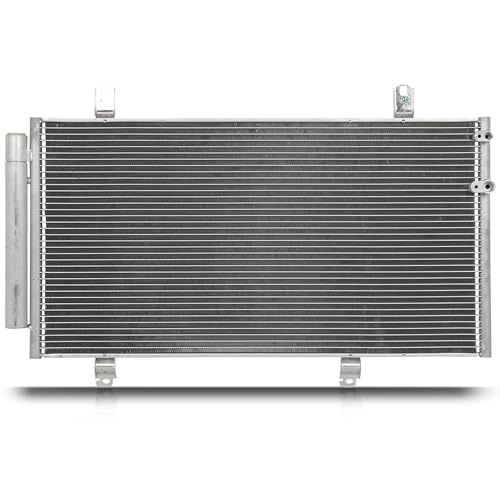
AC Condenser Replacement: What Homeowners Should Know
When the outdoor half of an air conditioning system starts to fail, many homeowners face the same question: repair it again or replace it? This guide explains how AC condenser replacement works, which factors shape the project scope, the warning signs that a new outdoor unit is the wiser move, and how to choose a replacement that fits your home, your climate, and your long-term comfort goals.
An air conditioner condenser is the outdoor cabinet that houses the compressor, condenser coil, and fan. It is the component responsible for releasing heat absorbed from your home into the outside air. Because it runs continuously during cooling season and sits exposed to weather, it is often the first major part of a split system to show wear. Understanding what a replacement involves helps you ask better questions, compare contractor recommendations fairly, and avoid overpaying for unnecessary work.
What Does an AC Condenser Replacement Involve?
A condenser replacement is more than swapping one box for another. A qualified technician must safely recover the existing refrigerant, disconnect electrical and refrigerant lines, remove the old unit, set and level the new condenser, connect the line set and wiring, pull a vacuum on the system, and recharge it with the correct refrigerant charge. Depending on the age and condition of the rest of the system, additional work such as new line sets, a new pad, or updated disconnect boxes may be recommended.
The scope of the job depends on several factors, including whether the new condenser uses the same refrigerant type as the old one, whether the indoor coil is compatible, and whether local code requires a permit or inspection. In many cases, a like-for-like replacement with a compatible indoor coil is a straightforward single-day project. When refrigerant types differ or the existing line set is undersized, the job becomes more involved.
Signs Your Home May Need a New AC Condenser
Not every cooling problem points to the condenser. However, certain patterns strongly suggest that the outdoor unit is at the end of its useful service life or has suffered damage that makes replacement more sensible than repeated repairs:
- Repeated compressor failures. The compressor is the most expensive component inside the condenser. If it has failed once and the system is already aging, another failure is likely.
- Visible rust or physical damage. A cabinet that is rusted through, dented, or leaning can compromise coil integrity and airflow.
- Persistent refrigerant leaks. If leaks keep returning after recharging, the condenser coil or connections may be failing. See our guide on repairing a refrigerant leak in central air for context on when repair still makes sense.
- Loud or unusual noises. Grinding, rattling, or screeching sounds can indicate failing fan bearings or internal mechanical wear.
- Declining cooling performance. A condenser that no longer keeps up on hot days, even after routine maintenance, may be undersized for its age or simply worn out.
- Age beyond typical service life. Most outdoor units are designed for a defined service window; once past it, replacement often becomes the more predictable choice.
Condenser Replacement vs. Full System Replacement
One of the most important decisions is whether to replace only the outdoor condenser or the entire system. Replacing only the condenser can be a reasonable path when the indoor coil and air handler are in good condition, properly matched to the new outdoor unit, and not approaching the end of their own service life. If the indoor components are aging or mismatched, however, a partial replacement can lead to efficiency losses, compatibility problems, and premature failure of the new equipment.
Homeowners comparing these two paths often find it useful to review broader system-level guides, such as an overview of replacing an HVAC system or replacing a central air conditioning unit, to understand how the outdoor unit fits into the full picture. In general, if the indoor coil is more than a decade old or has a different refrigerant type than the new condenser, a full system replacement is usually the more dependable long-term investment.
Factors That Shape the Project Scope
Every home is different, and the work required to replace a condenser varies accordingly. The table below summarizes the main variables homeowners should discuss with their contractor before work begins.
| Factor | Why It Matters | Typical Impact |
|---|---|---|
| System size (tonnage) | Larger systems require larger condensers, more refrigerant, and heavier equipment handling. | Larger units generally sit in a higher tier of project scope and complexity. |
| Refrigerant type | Transitioning from an older refrigerant to a newer one may require line set changes or indoor coil replacement. | Can expand the project from a simple swap to a partial system update. |
| Indoor coil compatibility | A mismatched indoor coil reduces efficiency and can void equipment warranties. | May push the recommendation toward a full system replacement. |
| Line set condition | Old or undersized refrigerant lines may not support the new unit's performance. | New line sets add labor and materials to the project. |
| Electrical and disconnect | Modern condensers may require updated wiring, breakers, or disconnect boxes. | Electrical upgrades are common and should be planned for. |
| Access and placement | Rooftop, tight side-yard, or second-floor placements increase labor and safety requirements. | Difficult access typically raises the labor component of the project. |
| Permits and inspections | Many jurisdictions require permits for HVAC replacement and refrigerant handling. | Adds administrative steps and scheduling time. |
How to Choose the Right Replacement Condenser
The right replacement condenser is the one that matches your home's cooling load, pairs correctly with the indoor coil, and fits your climate and efficiency goals. Bigger is not better: an oversized condenser cools too quickly, cycles frequently, and struggles to remove humidity, which can leave rooms feeling clammy. An undersized unit runs constantly and wears out faster. A proper load calculation, sometimes called a Manual J calculation, is the most reliable way to size a replacement correctly.
Efficiency and Refrigerant Considerations
Modern condensers are rated using SEER2 and EER2 metrics, which reflect updated testing standards. Higher-efficiency models use variable-speed compressors and advanced coil designs to deliver steadier comfort and lower energy use over time. Homeowners in hot, long cooling seasons often find that a high-efficiency unit is a worthwhile investment in the long run, while those in milder climates may be well served by a solid mid-tier model. It is also important to confirm which refrigerant the new unit uses and whether the existing indoor coil is compatible with it.
Matching the Condenser to the Indoor Coil
An air conditioner is a matched system: the outdoor condenser and indoor coil are designed to work together. Replacing the condenser without confirming coil compatibility can lead to reduced capacity, higher energy use, and premature compressor wear. Contractors should provide the matched system ratings for the proposed combination. If the indoor coil is old or of a different refrigerant type, replacing it alongside the condenser is often the more reliable path.
What Homeowners Can Do Before Replacing a Condenser
Before committing to replacement, it is worth confirming that the problem is truly the condenser and not a simpler issue such as a failed capacitor, a dirty coil, or a thermostat fault. Some repairs are minor and can extend the life of a functioning unit. Our guides on replacing an AC capacitor and replacing an air conditioner thermostat explain when a small repair is the smarter first step.
It also helps to gather a few practical details before requesting quotes: the model and age of the existing outdoor unit, the refrigerant type on its nameplate, the tonnage, and any recent repair history. Contractors can give more accurate recommendations when they understand the full system rather than just the failed part. Homeowners who want a broader overview of outdoor-unit replacement can also review our guide on replacing an outside air conditioning unit.
Understanding the Tiers of Replacement Condensers
Replacement condensers generally fall into recognizable market tiers. Using neutral tier descriptors helps homeowners compare options without getting distracted by transient figures:
- Entry-level tier: Single-stage compressors, standard efficiency, and straightforward construction. A solid choice for mild climates and budget-conscious replacements where the existing system is otherwise healthy.
- Mid-range tier: Two-stage or enhanced single-stage compressors with better efficiency and quieter operation. A balanced option for most homes in mixed climates.
- Premium tier: Variable-speed compressors, higher SEER2 ratings, and advanced humidity control. Well-suited to hot, humid climates and homeowners prioritizing long-term efficiency.
- Top-tier / flagship tier: The most advanced inverter-driven systems with the quietest operation and the highest efficiency ratings. A strong fit for premium comfort expectations and long cooling seasons.
Within any tier, durable construction, weather-resistant coatings, and solid build quality matter more than marketing labels. A well-installed mid-range condenser often outperforms a poorly installed premium unit, which is why contractor quality is as important as equipment selection.
Installation Quality: The Hidden Variable
Two identical condensers can perform very differently depending on how they are installed. Proper installation includes correct sizing, a level pad, adequate clearances for airflow, a properly evacuated and charged refrigerant circuit, and correct electrical connections. Skipping any of these steps can reduce efficiency, shorten equipment life, and create recurring service issues.
Homeowners should ask prospective contractors about their vacuum and charging procedures, whether they will provide a startup checklist, and how they handle warranty registration. It is also wise to confirm licensing and insurance before work begins. A careful installer will explain the matched system ratings and walk through the startup readings so you understand how the new condenser is performing from day one.
Maintaining a New Condenser for Long Service Life
Once a new condenser is installed, a few simple habits protect the investment. Keep the area around the unit clear of leaves, grass clippings, and debris. Rinse the coil gently with a garden hose during cooling season, and schedule professional maintenance annually to check refrigerant charge, electrical connections, and fan operation. During the off-season, consider covering the unit to reduce debris buildup, following the manufacturer's guidance. Our guide on covering an outdoor AC unit explains best practices.
Homeowners who maintain their systems consistently typically see fewer surprises and better efficiency over the life of the equipment. When maintenance is neglected, small issues such as a dirty coil or a loose connection can escalate into compressor damage that turns a minor repair into a full replacement.
Frequently Asked Questions
What are the signs that an AC condenser needs replacement?
Common signs include frequent compressor failures, visible rust or physical damage to the outdoor cabinet, refrigerant leaks that keep returning, unusual grinding or rattling sounds, and a condenser that no longer keeps up with cooling demand. Age is also a factor, since most outdoor units have a defined service life.
Should I replace the condenser only or the whole AC system?
Replacing only the condenser can work when the indoor coil and air handler are in good condition and compatible with the new outdoor unit. If the indoor components are aging, mismatched, or already failing, a full system replacement is usually the more reliable long-term choice.
How long does a condenser replacement take?
A straightforward condenser swap often takes several hours to a full day, depending on access, electrical work, line set condition, and permit requirements. If additional work such as new line sets or pad construction is needed, the project can extend longer.
Does a new AC condenser need a permit?
Many jurisdictions require a permit for HVAC replacement work, especially when refrigerant handling or electrical connections are involved. Requirements vary by location, so homeowners should confirm local rules before scheduling the installation.
Ready to Explore Replacement Condensers?
Compare matched systems and outdoor units that fit your home's cooling load and climate.
View Details