
Duct Cleaning Companies in My Area: What to Know Before You Hire
Learn how to identify reputable duct cleaning providers, understand the cleaning process, verify certifications, and make an informed decision for your home's indoor air quality.
Why Duct Cleaning Matters for Your Home
Your home's ductwork circulates air through every room, and over time dust, pet dander, pollen, and debris accumulate inside the system. When you search for duct cleaning companies in my area, you are taking an important step toward healthier indoor air and a more efficient HVAC system. But not all providers operate the same way, and understanding what a thorough job looks like helps you avoid common pitfalls.
This guide explains what professional duct cleaning involves, how to evaluate local companies, which certifications matter, and what questions to ask before scheduling service. Whether you are dealing with visible dust buildup, allergy concerns, or simply want to maintain your system, the information below will help you choose confidently.
Signs Your Ducts Need Professional Cleaning
Ductwork does not always show obvious warning signs, but several indicators suggest it is time to call a professional. Recognizing these signals early can prevent larger HVAC problems and keep your indoor air quality under control.
- Visible dust or debris around supply registers and return grilles.
- Musty or stale odors when the HVAC system turns on.
- Increased allergy or asthma symptoms among household members.
- Recent renovation or construction work that generated dust and debris.
- Pest activity such as rodents or insects inside ductwork.
- Visible mold growth inside ducts or on insulation.
- Uneven airflow or reduced system efficiency over time.
If you notice multiple signs from this list, scheduling an inspection with a qualified local provider is a reasonable next step. For broader context on the cleaning process itself, our duct cleaning overview explains what professional service typically includes.
What Professional Duct Cleaning Involves
A reputable duct cleaning company follows a structured process rather than a quick surface vacuum. Understanding the standard steps helps you recognize a thorough job and compare providers fairly.
- Inspection and assessment: Technicians examine the HVAC system, ductwork layout, and contamination levels before starting.
- System containment: The system is placed under negative pressure using specialized equipment to prevent debris from spreading into living spaces.
- Source removal: High-powered vacuums and agitation tools dislodge and extract debris from supply and return ducts.
- Component cleaning: Registers, grilles, coils, and drain pans may be cleaned as part of the service.
- Optional treatments: Sanitizing or sealing may be offered, though these should be evaluated carefully for necessity.
- Verification and documentation: Before-and-after photos or video documentation confirms results.
For homes with dryer vent concerns as well, some providers also offer dryer vent cleaning as a complementary service, which addresses a separate but related fire-safety issue.
How to Choose Reliable Duct Cleaning Companies in My Area
Local search results can return dozens of options, and distinguishing a professional operation from a low-quality one requires looking beyond the first page. Use the criteria below to evaluate each candidate systematically.
1. Verify Certifications and Credentials
The National Air Duct Cleaners Association (NADCA) is the leading industry body. NADCA-certified companies follow established standards (ACR — Assessment, Cleaning, and Restoration of HVAC Systems) and employ technicians who have passed certification exams. Ask whether the company holds current NADCA membership and whether technicians are individually certified.
2. Confirm Licensing and Insurance
Ask for proof of business licensing and liability insurance before work begins. A legitimate provider will readily share documentation. This protects you from financial exposure if accidents or property damage occur during service.
3. Request a Written Scope of Work
A professional company provides a written estimate that details exactly what will be cleaned, what equipment will be used, and what is excluded. Be cautious of vague verbal commitments or pressure to decide immediately.
4. Look for Source Removal Equipment
Effective cleaning requires truck-mounted or portable high-powered vacuum equipment with HEPA filtration. Companies that rely on shop vacuums or handheld tools generally cannot deliver thorough results. Ask what equipment will be used during the visit.
5. Review Before-and-After Documentation
Reputable providers document conditions before and after cleaning, often with photos or video inspection. This transparency confirms the work performed and gives you a record for future reference.
6. Check Reviews and References
Read reviews across multiple platforms rather than relying on a single source. Look for patterns in feedback about punctuality, thoroughness, and customer communication. Ask for local references if you want additional confidence.
7. Beware of Red Flags
- Unusually low introductory offers that escalate significantly after inspection.
- High-pressure sales tactics or claims that cleaning is urgently required without evidence.
- No physical business address or verifiable local presence.
- Refusal to provide written estimates or insurance documentation.
- Technicians who cannot explain the cleaning process or equipment used.
For a broader look at how cleaning services differ by region and provider type, see our guide to duct cleaning services in my area.
Understanding Service Tiers in Duct Cleaning
Duct cleaning providers generally fall into three broad categories based on their capabilities, equipment, and service depth. Recognizing these tiers helps you align expectations with what each type of company offers.
| Tier | Typical Characteristics | Best For |
|---|---|---|
| Essential tier | Basic vacuuming of accessible ducts, limited equipment, minimal documentation | Light maintenance cleaning in homes with low contamination |
| Balanced tier | NADCA-aligned procedures, source removal equipment, before-and-after photos | Most residential homes needing thorough, verifiable cleaning |
| Top-tier / professional-grade | Full ACR compliance, video inspection, comprehensive component cleaning, detailed reporting | Homes with significant contamination, allergy concerns, or post-renovation needs |
Companies in the balanced and top tiers generally offer more thorough service and clearer documentation, which is worthwhile for households with health concerns or older HVAC systems. Entry-level providers may suffice for routine upkeep in newer homes with well-maintained systems.
Questions to Ask Before Hiring
Prepare a short list of questions when contacting local providers. Their responses reveal how professionally they operate and whether their service matches your needs.
- Are you NADCA-certified, and are your technicians individually certified?
- What type of vacuum and agitation equipment will you use?
- Will you provide before-and-after documentation?
- Does the service include cleaning of registers, grilles, and coils?
- How do you handle mold or pest discoveries during cleaning?
- What is your policy on additional recommended services?
- Can you provide proof of licensing and insurance?
For a companion resource covering common questions about service scheduling and provider selection, you may also find our guide on finding local duct cleaning companies helpful.
Keeping Ducts Clean Between Professional Visits
Professional cleaning is most effective when supported by consistent home maintenance. These habits reduce debris accumulation and extend the interval between service calls.
- Replace HVAC filters according to manufacturer recommendations, typically every one to three months.
- Keep return grilles and supply registers free of obstructions and dust.
- Address moisture issues promptly to prevent mold growth inside ductwork.
- Seal leaks in ductwork to reduce dust infiltration and improve efficiency. See our duct sealing guide for details.
- Schedule annual HVAC maintenance to keep the entire system operating cleanly.
Proper duct maintenance also complements other efficiency measures, such as understanding HVAC dampers for zone control and ensuring balanced airflow throughout the home.
Frequently Asked Questions
How often should I have my air ducts cleaned?
Most HVAC professionals recommend duct cleaning every three to five years for typical homes. Households with pets, smokers, recent renovations, or allergy sufferers may benefit from more frequent cleaning. Visible mold, pest infestations, or excessive debris are signs that cleaning is needed sooner.
What should I look for in a duct cleaning company?
Look for NADCA certification, proper insurance and licensing, a written scope of work, source removal equipment, before-and-after documentation, and transparent communication. Avoid companies that use high-pressure sales tactics or offer unusually low teaser rates that escalate after inspection.
How long does duct cleaning take?
A standard residential duct cleaning typically takes two to four hours depending on the size of the home, number of vents, and level of contamination. Larger homes or systems requiring additional services such as sanitizing or dryer vent cleaning may take longer.
Does duct cleaning improve indoor air quality?
Duct cleaning can improve indoor air quality by removing accumulated dust, debris, and allergens from the ductwork. It is most effective when combined with regular filter changes, proper HVAC maintenance, and source control of indoor pollutants.
Is duct cleaning worth it for newer homes?
Newer homes may still accumulate construction dust and debris during building. An inspection by a qualified local company can determine whether cleaning is warranted. For homes with well-maintained systems and no contamination indicators, cleaning may not be necessary immediately.
Recommended Duct Cleaning Equipment and Accessories
⚠️ AFFILIATE DISCLOSURE: This website contains affiliate links. As an Amazon Associate, we earn from qualifying purchases. If you make a purchase through these links, we may receive a small commission at no additional cost to you. Read our full affiliate policy.

Flexible 8 Tentacles Air Duct Cleaning Whip, Forward Air Flow Design, 14 Inch Long for Duct Cleaning with 1/8 Inch Connector
Check price on Amazon
Xpike 17FT One-Piece Flexible Shaft Dryer Vent Cleaner Kit | Drill Powered Dryer Duct Cleaning Brush, Heavy Duty Lint Remover Tool
Check price on Amazon
On-Site Duct Supplies 50' Air Duct Cleaning Snake, Flexible Memory Material, 3/8 OD PVC Tubing, Metal Handle, Blowgun with Quick Connector for HVAC Dryer Vents
Check price on Amazon
Duct Cleaning 4 Flexible Whips Forward Air, 12 & 20 Inch Long, 1/8 Connector, High Pressure Cleaning Tool (20" Whips)
Check price on Amazon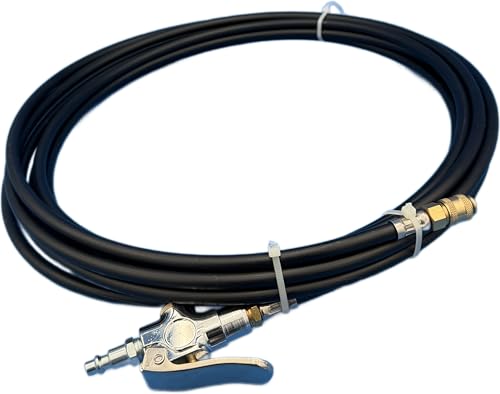
On-Site Duct Supplies 25' Air Duct Cleaning Snake with Blowgun, Flexible Memory Material, 3/8 OD for HVAC Dryer Vents and Supply Vents
Check price on Amazon
DUCT AID 100% Plant Based HVAC Air Freshener & Air Duct Deodorizer, 3 Pack | Thyme Oil Extract, Vanilla, Bergamot Orange & Lily of the Valley Formula for Home, Commercial Use & Cars, 15 OZ
Check price on Amazon
DUCT AID 100% Plant Based HVAC Air Freshener & Air Duct Deodorizer, 4 Pack | Thyme Oil Extract, Vanilla, Bergamot Orange & Lily of the Valley Formula for Home, Commercial Use & Cars, 20 OZ
Check price on Amazon