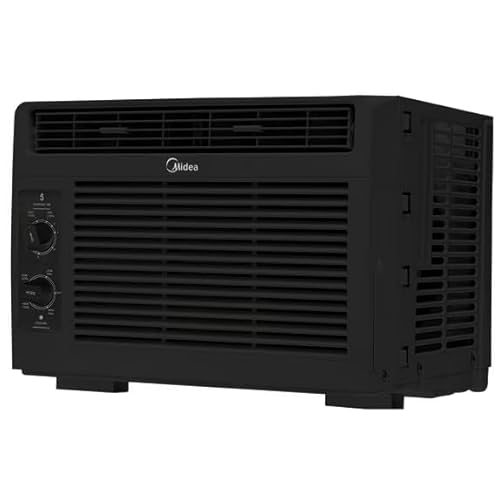
Energy Efficient Window Air Conditioner: The Complete Buyer's Guide
Everything you need to choose a window AC that cools effectively while keeping electricity use low — sizing, efficiency ratings, inverter technology, installation, and maintenance, explained in plain language.
A window air conditioner is the simplest way to cool a single room without ductwork, but not all window units are created equal. The most energy efficient models use less electricity for the same cooling output, run quieter, and last longer when sized and installed correctly. If you are researching before buying, this guide walks you through the exact factors that separate a genuinely efficient window unit from an average one.
Why Energy Efficiency Matters for Window Units
Window ACs are room-level appliances, so they are typically used for many hours during the cooling season. Even a modest difference in efficiency compounds over a full summer. A unit that draws less power for the same BTU output reduces strain on your electrical circuit, lowers heat buildup in the room, and contributes to a more stable indoor temperature.
Efficiency also affects comfort. More efficient units often include variable-speed or inverter compressors, better insulation around the chassis, and improved fan designs. The practical result is steadier cooling, less on-off cycling noise, and fewer temperature swings — benefits that matter as much as the electricity savings themselves.
Understanding Efficiency Ratings: EER, CEER, and ENERGY STAR
Window air conditioners are rated differently from central systems. While central ACs use SEER and SEER2, window units are primarily rated with EER (Energy Efficiency Ratio) and, more recently, CEER (Combined Energy Efficiency Ratio). Understanding these numbers is the fastest way to compare models.
| Rating | What It Measures | How to Use It |
|---|---|---|
| EER | Cooling output (BTU) divided by power input (watts) at a single test condition. | Higher is better. A useful baseline for comparing window units directly. |
| CEER | A blended efficiency figure that accounts for standby power and part-load operation. | Closer to real-world usage. Preferred for modern window unit comparisons. |
| ENERGY STAR | Certification that a model meets or exceeds efficiency thresholds set for its class. | A reliable shortcut when you want a verified efficient unit. |
For window units, an EER of about 11 is a solid mid-range benchmark, while top-tier models reach 12 or higher. CEER values generally run slightly lower than EER because they include standby losses. When comparing two units of the same BTU class, always compare the same rating type side by side.
If you want a deeper explanation of how efficiency ratings work across all AC types, the guide on energy efficiency of an air conditioner covers the fundamentals, and the overview of energy efficient AC options helps you see how window units fit into the broader picture.
Sizing a Window AC for Efficient Cooling
Oversizing is one of the most common mistakes in window AC selection. A unit that is too large cools the room quickly, then shuts off before it has removed enough humidity. The result is a cold but clammy room, frequent compressor cycling, and higher energy use than a correctly sized unit. Undersizing is equally problematic: the unit runs continuously and never reaches the set temperature.
Start with a BTU-per-square-foot baseline, then adjust for real-world conditions:
| Room Size | Typical BTU Range | Common Use Case |
|---|---|---|
| Up to 150 sq ft | 5,000 – 6,000 BTU | Small bedroom, studio, home office |
| 150 – 250 sq ft | 6,000 – 8,000 BTU | Standard bedroom, small living room |
| 250 – 400 sq ft | 8,000 – 12,000 BTU | Large bedroom, open living area |
| 400 – 550 sq ft | 12,000 – 14,000 BTU | Studio apartment, combined living space |
Adjust upward for rooms with direct sun exposure, poor insulation, south- or west-facing windows, high ceilings, or multiple occupants. Adjust downward for heavily shaded rooms, interior walls, or well-insulated modern construction. For a more precise calculation method, see the guide on how to size an air conditioner. If your room is a bedroom specifically, the dedicated guide on an energy efficient air conditioner for bedroom breaks down night-time cooling priorities.
Efficiency Tiers: What to Expect at Each Level
Rather than thinking in terms of brands or raw specs, it helps to classify window units by their position in the market. The three tiers below describe what you can generally expect from each category.
Essential Tier
Fixed-speed compressors, basic mechanical or simple electronic controls, EER around the baseline. Suitable for occasional use in small rooms, guest spaces, or seasonal cooling where run hours are limited.
Balanced Tier
Improved coil design, digital thermostats, programmable timers, and EER above baseline. A solid choice for daily use in bedrooms and living rooms where comfort and efficiency both matter.
Premium & Flagship Tier
Inverter compressors, multi-speed fans, advanced humidity control, smart connectivity, and the highest EER/CEER values in the category. Best for long cooling sessions and users who prioritize quiet operation and long-term efficiency.
Entry-level units are perfectly adequate for a spare room used a few weeks per year. Mid-range models offer a noticeable step up in comfort features and efficiency for regular use. Top-tier inverter units are the most efficient option and typically run quieter, but they are a long-term investment best suited to rooms that see heavy cooling demand.
Features That Actually Improve Efficiency
Marketing pages list dozens of features, but only a subset meaningfully affects energy use. Focus on these:
- Inverter compressor: Continuously varies speed to match cooling demand instead of cycling fully on and off. This reduces energy waste and temperature swings. Learn more in the guide on an energy efficient inverter air conditioner.
- ENERGY STAR certification: A verified efficiency benchmark. The overview of ENERGY STAR window air conditioner models explains what the certification requires.
- Multi-speed or eco fan modes: Allow the fan to run at lower speeds once the room is cool, cutting fan power draw.
- Programmable timer and sleep mode: Reduces runtime during hours when the room is unoccupied or when cooler night temperatures make full cooling unnecessary.
- Follow-me remote sensing: Uses a sensor in the remote to cool based on the temperature near you rather than near the unit, which can reduce over-cooling.
- Better chassis insulation and sealing: Reduces cooling loss around the unit and keeps the compressor compartment separated from the room.
- Washable or reusable filters: Easier maintenance means airflow stays strong, which keeps the unit running efficiently.
Features such as Wi-Fi control do not directly improve efficiency, but they make it easier to schedule cooling and avoid running the unit when no one is home. If smart control matters to you, look for models that combine connectivity with high EER and inverter technology.
If you are comparing window units with other room-cooling formats, the guides on an energy efficient through-the-wall air conditioner and an energy efficient portable air conditioner explain how each type handles efficiency differently.
Installation Tips That Protect Efficiency
Even a top-tier window unit underperforms if it is installed poorly. The window opening is a major source of air leakage, and a unit that is not sealed properly will pull in hot outdoor air while it cools.
- Choose a window that receives shade during the hottest part of the day whenever possible.
- Ensure the unit tilts slightly outward so condensate drains away from the room.
- Use the included side panels and add foam or weatherstripping to close gaps around the frame.
- Support the unit from below with a proper bracket rather than relying on the window sash alone.
- Check that the window sash locks securely against the top of the unit to prevent air leaks.
- Keep the outdoor portion of the unit clear of obstructions so the condenser can reject heat efficiently.
- Plug the unit directly into a dedicated outlet rated for its amperage; avoid extension cords unless they are rated for the load.
If your home uses a forced-air system and you are weighing a window unit against central cooling, the comparison of adding AC to a house with forced air can help you decide whether a single-room solution or a whole-home system fits your situation. For homes without ducts, the guide on ductless heat and air conditioner options is a useful complement.
Maintenance Habits That Keep a Window Unit Efficient
Window units lose efficiency gradually as filters clog and coils collect dust. A simple maintenance routine keeps performance close to the manufacturer's rating.
- Clean or replace the filter every two to four weeks during heavy use. A clogged filter restricts airflow and forces the compressor to work harder.
- Inspect the evaporator and condenser coils at the start of each cooling season. Gentle cleaning with a soft brush or coil cleaner restores heat transfer. The guide on the evaporator coil explains why coil condition matters.
- Check the window seal each season. Reapply weatherstripping if it has compressed or peeled.
- Listen for changes in sound. A unit that runs louder than usual may have a fan issue or a compressor problem that reduces efficiency.
- Store the unit properly in the off-season to prevent dust and moisture damage.
If cooling performance drops noticeably even after cleaning, the unit may need professional service. The guide on finding an HVAC contractor near you explains what to look for when choosing a technician. For broader energy-saving habits that work alongside an efficient window unit, see how to reduce your AC electricity bill.
Ready to Compare Energy Efficient Window Units?
Browse our curated selection of window air conditioners with strong efficiency profiles, then check current availability through the affiliate links below.
View Recommended ModelsFrequently Asked Questions
What EER rating makes a window air conditioner energy efficient?
For window units, look for an EER of 11 or higher for standard models, and 12 or above for top-tier efficiency. ENERGY STAR certified window units typically meet or exceed these thresholds, delivering meaningful energy savings over entry-level models.
Is an inverter window air conditioner more energy efficient?
Yes. Inverter window air conditioners adjust compressor speed continuously instead of cycling on and off. This reduces energy waste, maintains steadier room temperatures, and often runs quieter than fixed-speed units, making them a strong choice for long cooling sessions.
What size window AC do I need for a bedroom?
A typical bedroom of 150 to 250 square feet generally needs a 6,000 to 8,000 BTU window unit. Use a BTU sizing chart, then adjust upward for sunny windows, poor insulation, or high occupancy to ensure efficient cooling without oversizing.
Does a higher SEER rating always mean lower energy use?
A higher SEER or EER rating indicates greater efficiency under test conditions, but real-world savings also depend on correct sizing, installation quality, window sealing, and usage habits. Pairing an efficient unit with proper installation maximizes the benefit.