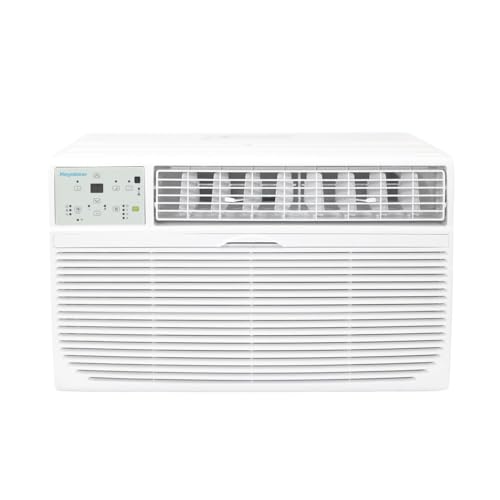
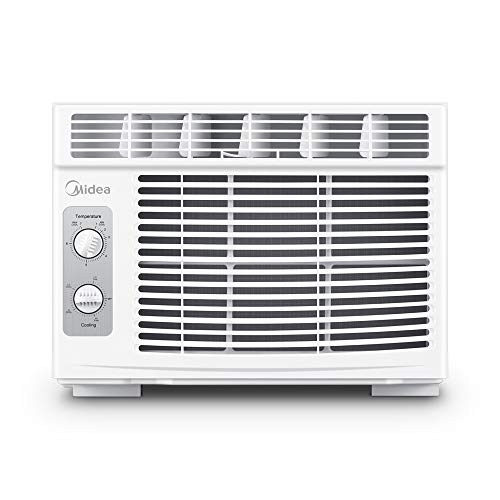
Energy Efficient Through the Wall Air Conditioner
A complete buyer's guide for homeowners researching permanent, wall-mounted cooling solutions. Learn how through the wall AC units work, how to size them, which efficiency ratings matter, and how to maintain peak performance year after year.
Explore the Buying GuideWhy Choose a Through the Wall Air Conditioner?
A through the wall air conditioner is installed permanently into an exterior wall, combining the convenience of a window unit with a cleaner, more integrated look. Because the unit is recessed into the wall rather than resting in a window frame, it leaves your windows free for natural light and ventilation. For homeowners who want a fixed, room-by-room cooling solution without the complexity of ductwork, a through the wall AC is a practical and durable choice.
Energy efficiency is the decisive factor for most buyers. Modern through the wall units are engineered with inverter compressors, improved insulation around the chassis, and higher SEER ratings than older models. If you are comparing options across categories, our guide to energy efficient AC explains the ratings and technologies that reduce electricity consumption throughout the cooling season.
- Permanent installation frees up window space and improves home security
- Better sealed than most window units, which reduces cooled-air leakage
- Quieter operation because the chassis is isolated within the wall sleeve
- Compatible with standard wall sleeves for straightforward replacement
- Available in inverter and non-inverter configurations to match your priorities
How Through the Wall AC Units Work
A through the wall air conditioner operates on the same refrigeration cycle as any room air conditioner. The indoor section draws warm room air across an evaporator coil, where refrigerant absorbs heat and moisture. The cooled air is then returned to the room. Meanwhile, the outdoor section rejects the absorbed heat through the condenser coil and expels it outside. The wall sleeve separates the two sections and protects the unit from weather.
Efficiency depends heavily on how well this cycle is managed. Inverter-driven compressors adjust their speed continuously instead of cycling on and off, which stabilizes room temperature and reduces energy waste. If you are still learning the fundamentals, the education section covers compressor technology, refrigerant flow, and the physics behind efficient cooling.
Sizing a Through the Wall Air Conditioner Correctly
Correct sizing is the single most important decision for efficiency. An undersized unit runs continuously and never reaches the set temperature, while an oversized unit cools too quickly, cycles frequently, and struggles to remove humidity. The general rule is approximately 20 BTU per square foot of living space, adjusted for ceiling height, sun exposure, window area, and occupancy.
| Room Size | Recommended Capacity | Typical Use Case |
|---|---|---|
| Up to 150 sq ft | 5,000 – 6,000 BTU | Small bedroom, home office |
| 150 – 250 sq ft | 8,000 – 10,000 BTU | Medium bedroom, studio |
| 250 – 400 sq ft | 12,000 – 14,000 BTU | Large bedroom, living area |
| 400 – 550 sq ft | 14,000 – 18,000 BTU | Open living space, master suite |
For a more precise calculation that accounts for insulation quality, climate zone, and window orientation, use our detailed guide on how to size an air conditioner. Getting the capacity right before you install the wall sleeve saves you from a costly correction later.
Efficiency Ratings That Matter for Wall-Mounted Units
When evaluating an energy efficient through the wall air conditioner, three ratings deserve your attention: SEER, EER, and ENERGY STAR certification. Each measures a different aspect of performance, and together they give a complete picture of long-term operating efficiency.
SEER (Seasonal Energy Efficiency Ratio)
SEER measures cooling output across an entire season relative to electricity consumed. Higher SEER means greater seasonal efficiency. Entry-level through the wall units often sit around SEER 11 to 13, mid-range models reach SEER 15 to 18, and top-tier inverter units can exceed SEER 20. The higher the rating, the more efficient the unit is in the long run.
EER (Energy Efficiency Ratio)
EER measures efficiency at a single, peak-load condition, which is particularly relevant in hot climates where the unit runs at full capacity during the hottest hours. A strong EER rating indicates the unit performs well on the most demanding days. Our overview of energy efficiency of an air conditioner explains how SEER and EER work together.
ENERGY STAR Certification
Units bearing the ENERGY STAR label meet federal efficiency thresholds and are independently verified. Choosing an ENERGY STAR air conditioner unit is a simple way to guarantee baseline efficiency without decoding every specification. For a broader comparison, see our roundup of ENERGY STAR rated air conditioners.
Entry-Level, Mid-Range, and Premium Through the Wall Units
Through the wall air conditioners fall into distinct market tiers. Understanding what each tier offers helps you match the product to your priorities without overcommitting or underspending on capability.
| Tier | Best For | Typical Characteristics |
|---|---|---|
| Entry-Level | Seasonal rooms, rentals, light-duty cooling | Fixed-speed compressor, mechanical controls, basic filtration, lower SEER range |
| Mid-Range | Primary bedrooms and living spaces used daily | Inverter compressor, digital thermostat, remote control, higher SEER, quieter operation |
| Premium | Whole-season use, homeowners prioritizing efficiency | Advanced inverter technology, top-tier SEER, smart controls, enhanced filtration, robust chassis build |
Mid-range models usually offer the best balance between efficiency and capability for most households. Premium units are a worthwhile investment when the unit will run for many hours each day across multiple seasons.
Installation Considerations for a Wall Sleeve Unit
Installing a through the wall air conditioner requires cutting an opening in an exterior wall and fitting a sleeve that supports the unit's weight. Because this modifies the building envelope, most jurisdictions require a permit. Before scheduling work, review whether you need a permit for AC installation and confirm the wall cavity can accommodate the sleeve depth.
- Choose an exterior wall that supports proper drainage and airflow to the outdoor coil
- Verify the sleeve dimensions match the unit chassis to avoid gaps and air leakage
- Seal the perimeter of the sleeve with insulation and weather-resistant caulk
- Provide a dedicated electrical circuit sized to the unit's amperage draw
- Confirm local code requirements for structural support and electrical work
If you prefer professional installation, our guide on how to choose an HVAC contractor covers the questions to ask and the credentials to verify before signing a work order.
Maintaining Peak Efficiency Over Time
Even the most efficient through the wall unit loses performance when neglected. Dust-clogged filters restrict airflow, dirty coils force the compressor to work harder, and worn seals let conditioned air escape. A simple maintenance routine keeps energy use low and extends the unit's service life.
- Clean or replace the air filter every two to four weeks during heavy cooling season
- Inspect and gently clean the evaporator and condenser coils each season
- Check the wall sleeve seal for cracks and re-caulk as needed
- Keep the outdoor section free of leaves, debris, and obstructions
- Schedule an annual professional inspection to verify refrigerant charge and electrical connections
For step-by-step instructions, explore our guides on DIY HVAC cleaning and the broader energy saving air conditioner practices that reduce electricity use without sacrificing comfort.
Through the Wall vs. Window vs. Mini-Split
Buyers often compare through the wall units against window air conditioners and ductless mini-splits. Each has distinct trade-offs in installation effort, efficiency, and aesthetics.
| Category | Best For | Efficiency Notes |
|---|---|---|
| Through the Wall AC | Permanent room cooling with a clean wall installation | Better sealed than window units; premium models reach high SEER |
| Window AC | Renters and quick seasonal setups | Efficient models exist, but window-frame gaps reduce performance |
| Ductless Mini-Split | Whole-room or multi-zone comfort with minimal wall disruption | Top-tier efficiency but requires professional refrigerant work |
If you want to compare specific alternatives, our reviews of the energy efficient air conditioner window unit and energy efficient inverter air conditioner cover the strengths and limits of each format.
Frequently Asked Questions
Ready to Choose Your Through the Wall Air Conditioner?
Compare the top energy efficient through the wall models we recommend, based on efficiency ratings, build quality, and real-world performance.
View Top Recommendations