Ductless HVAC Systems: The Complete Guide to Efficient Home Comfort
Everything you need to know about ductless heating and cooling systems — how they work, their benefits, types, sizing, and how to choose the right system for your home.
START LEARNINGWhat Are Ductless HVAC Systems?
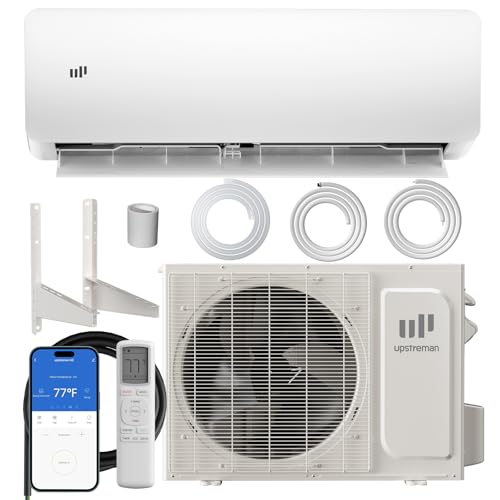
A ductless HVAC system — commonly known as a ductless mini-split, ductless heat pump, or ductless air conditioner — is a heating and cooling solution that delivers conditioned air directly into individual rooms without the use of ductwork. The system consists of two main components: an outdoor compressor/condenser unit and one or more indoor air-handling units mounted on walls, ceilings, or floors. Refrigerant lines and a power cable connect the indoor and outdoor units through a small hole in the wall, typically just three inches in diameter.
These systems have become increasingly popular in the United States and around the world because they offer a flexible, energy-efficient alternative to traditional central air conditioning and heating. Whether you're cooling a single room addition, heating a converted garage, or outfitting an entire home, ductless HVAC systems provide zoned comfort that adapts to the way you live.
Unlike central systems that lose energy through leaky ductwork — sometimes as much as 30% of conditioned air — ductless systems deliver air directly to the space, minimizing energy waste. This makes them an excellent choice for older homes without existing ducts, new construction where ductwork is impractical, and homeowners who want room-by-room temperature control without the complexity of a traditional HVAC setup.
How Ductless HVAC Systems Work
Understanding the mechanics behind ductless heating and air conditioning helps you appreciate why these systems are so efficient. The process relies on the same refrigeration cycle used by refrigerators and central air conditioners, but with a more direct delivery method.
In cooling mode, the outdoor compressor circulates refrigerant to the indoor unit. The indoor unit draws warm room air across an evaporator coil filled with cold refrigerant, absorbing heat from the air. The cooled air is then blown back into the room, while the absorbed heat is carried by the refrigerant back to the outdoor unit and released into the atmosphere. In heating mode — for systems equipped with a heat pump — the process reverses: the outdoor unit extracts heat from the outside air (even in cold temperatures) and transfers it indoors.
Each indoor unit operates independently, allowing you to set different temperatures in different rooms. This zoning capability is one of the most compelling reasons homeowners choose ductless mini-split systems. You can cool the bedroom while leaving unused rooms at a more moderate setting, reducing overall energy consumption. Modern systems also include inverter compressors that modulate speed continuously rather than cycling on and off, maintaining consistent temperatures and further improving efficiency.
Outdoor Compressor Unit
Houses the compressor and condenser coil. It circulates refrigerant and releases or absorbs heat from the outside air, forming the heart of the system.
Indoor Air Handler
Mounted in the room to be conditioned. It contains the evaporator coil and blower fan, distributing cooled or heated air directly into the space.
Refrigerant Line Set
Connects indoor and outdoor units through a small wall opening. Insulated copper tubing carries refrigerant between the two components.
Remote & Thermostat Control
Each indoor unit can be controlled individually via remote, wall thermostat, or smart home integration for personalized comfort.
Types of Ductless HVAC Systems
Ductless systems come in several configurations to suit different room layouts, architectural constraints, and aesthetic preferences. Understanding these options helps you choose the right fit for your home.
Wall-Mounted Units
The most common type. Mounted high on a wall, they are easy to install and service. Ideal for bedrooms, living rooms, and home offices.
Ceiling Cassette Units
Recessed into the ceiling with a four-way air distribution grille. These are excellent for rooms with limited wall space and offer even air distribution. Explore ceiling-mount ductless mini-split air conditioners for more details.
Floor-Mounted Units
Installed low on a wall or floor. Suited for rooms with sloped ceilings or limited upper-wall space, and often used in conversions and additions.
Ducted Mini-Split Units
Concealed in the ceiling or soffit with short duct runs to distribute air to multiple vents. A hybrid option when some ductwork is feasible but a full central system is not.
Beyond form factor, ductless systems also differ in capability. Single-zone systems serve one room, while multi-zone systems connect up to four or more indoor units to a single outdoor compressor. Heat-pump models provide both heating and cooling, making them a year-round solution. If you're specifically interested in combined functionality, learn more about ductless mini-split air conditioners with heat. For comprehensive heating and cooling in one system, explore ductless mini-split air conditioners and heat pumps.
Key Benefits of Ductless HVAC Systems
Ductless systems have earned their reputation as one of the most versatile and efficient comfort solutions available. Here are the primary advantages that make them an attractive choice for homeowners.
Energy Efficiency
Without duct losses, ductless systems deliver more of the conditioned air they produce directly to the room. Many models qualify for ENERGY STAR ductless mini-split certification.
Zoned Comfort
Each indoor unit operates independently, letting you customize temperatures room by room and avoid conditioning unused spaces.
Flexible Installation
No ductwork means minimal structural changes. Installation is faster and less invasive than a central system, with only a small wall penetration required.
Better Air Quality
Ductless units filter air at the indoor unit, avoiding the dust and debris that can accumulate in ductwork over time. Many models include advanced filtration.
Quiet Operation
Indoor units operate at very low sound levels — often quieter than a whisper — making them ideal for bedrooms and living areas.
Space-Saving Design
Wall-mounted and cassette units take up little space and eliminate the need for bulky duct chases, freeing up floor area and ceiling height.
For homeowners looking to maximize efficiency, pairing a ductless system with a high-efficiency HVAC strategy and proper energy audit for HVAC can yield the best results. Many utility companies offer rebates for installing energy-efficient ductless air conditioners, making them a smart long-term investment.
Pros and Cons of Ductless HVAC Systems
No system is perfect for every situation. Weighing the advantages against the limitations helps you make an informed decision that aligns with your home's layout, climate, and lifestyle.
✔ Advantages
- High energy efficiency with no duct losses
- Room-by-room temperature control
- No ductwork required — ideal for older homes and additions
- Quiet indoor operation
- Fast, less invasive installation
- Improved indoor air quality without duct contamination
- Heat pump models provide both heating and cooling
- Long service life with proper maintenance
✘ Limitations
- Higher upfront investment compared to window units
- Each room requires its own indoor unit
- Wall-mounted units are visible in the room
- Multi-zone systems add installation complexity
- Professional installation is strongly recommended
- Indoor units need periodic filter cleaning
💡 Tip: Ductless systems shine in homes without existing ductwork, in room additions, and in climates where zoned comfort is a priority. If your home already has well-sealed ductwork and you need whole-home comfort, compare options carefully — see our ductless vs ducted AC comparison for a detailed analysis.
Sizing and Selecting the Right System
Correct sizing is critical to comfort, efficiency, and equipment longevity. An undersized system struggles to keep up on extreme days, while an oversized system short-cycles, dehumidifies poorly, and wears out faster. Professional load calculations — such as a Manual J calculation — account for room dimensions, insulation, window area, sun exposure, occupancy, and local climate.
As a general starting point, cooling capacity is measured in British Thermal Units (BTU). A common rule of thumb is 20 BTU per square foot of living space, but this varies significantly with insulation quality, ceiling height, and sun exposure. For accurate sizing, use our BTU calculator by room size or consult an HVAC professional.
| Room Size | Approx. Cooling Capacity | Typical Use Case |
|---|---|---|
| Up to 150 sq ft | 5,000 – 6,000 BTU | Small bedroom, home office, nursery |
| 150 – 250 sq ft | 8,000 – 10,000 BTU | Medium bedroom, dining room, studio |
| 250 – 400 sq ft | 12,000 – 14,000 BTU | Large bedroom, living room, open-plan kitchen |
| 400 – 600 sq ft | 18,000 – 24,000 BTU | Large living area, master suite, multi-room zone |
| 600 – 1,000+ sq ft | 30,000 – 36,000+ BTU | Whole floor or multiple zones with a multi-split system |
When selecting a system, also consider the efficiency rating (SEER2 for cooling, HSPF2 for heating), the number of zones you need, and whether you want a heat pump for year-round comfort. For whole-home solutions, a multi-zone configuration connecting several indoor units to one outdoor compressor is often the most practical approach. If you are exploring combined heating and cooling capabilities, our guide to ductless heating and cooling installation covers the planning process in detail.
Installation Considerations
While ductless systems are less invasive than central HVAC, professional installation is strongly recommended. Proper installation ensures optimal performance, safe refrigerant handling, and warranty compliance. The process typically involves mounting the indoor unit, positioning the outdoor compressor, drilling a small wall penetration for the line set, connecting refrigerant lines and drainage, and commissioning the system.
Placement matters. Indoor units should be positioned to allow unobstructed airflow across the room, away from direct sunlight and heat sources. Outdoor units need adequate clearance for airflow and should be placed on a stable, level surface — ideally with some shade. Line-set length and elevation differences must stay within manufacturer specifications to maintain efficiency.
If you want to understand the full scope before committing, review our detailed guides on ductless mini-split AC installation and the ductless mini-split air conditioner installation process. For planning purposes, our overview of ductless mini-split AC installation costs explains the factors that influence the scope of a project without quoting figures.
💡 Pro Tip: Choose a licensed HVAC contractor with specific ductless experience. Ask about warranty terms, permit requirements, and whether the installer will perform a room-by-room load calculation. A quality installation is the single biggest factor in long-term satisfaction.
Maintenance Tips for Ductless Systems
Ductless systems are relatively low-maintenance, but consistent care is essential to preserve efficiency and extend lifespan. The most important routine task is cleaning or replacing the indoor unit's air filter every four to six weeks during heavy use. A clogged filter restricts airflow, reduces cooling capacity, and strains the blower motor.
Beyond filters, keep the indoor coil and blower wheel clean, and ensure the outdoor unit's coils are free of debris such as leaves and pollen. Check the condensate drain line periodically to prevent clogs that can cause water backups. An annual professional tune-up — including refrigerant charge verification, electrical inspection, and coil cleaning — is recommended for optimal performance.
For a broader maintenance routine that applies across HVAC types, see our AC maintenance guide and energy-saving tips for AC. Diligent upkeep not only keeps your system running efficiently but also helps you avoid common problems like AC not cooling and AC leaking water.
Ductless vs Ducted HVAC Systems
The choice between ductless and ducted systems depends on your home's existing infrastructure, your comfort goals, and your budget for the project. Here is a side-by-side comparison to clarify the trade-offs.
| Factor | Ductless System | Ducted System |
|---|---|---|
| Installation | Minimal structural work; small wall penetration | Requires extensive ductwork; more invasive |
| Energy Efficiency | High — no duct losses; often 20–30% more efficient in delivery | Lower if ducts are leaky or poorly insulated |
| Zoning | Excellent — each indoor unit independently controlled | Limited unless a zoned damper system is installed |
| Indoor Air Quality | Good — filtration at each unit; no duct contamination | Depends on duct cleanliness and sealing |
| Aesthetics | Indoor units are visible on walls or ceilings | Vents and registers are less obtrusive |
| Best For | Homes without ducts, additions, room-by-room comfort | New construction or homes with existing well-sealed ducts |
For a deeper exploration of this decision, our full ductless vs ducted AC comparison dives into efficiency, comfort, and installation nuances. You may also find our guides on ductwork design and ductwork cleaning helpful if you are evaluating an existing ducted system.
Frequently Asked Questions
What is a ductless HVAC system?
How does a ductless HVAC system work?
What are the benefits of ductless HVAC systems?
How long does a ductless HVAC system last?
Can a ductless system heat my home in winter?
How many indoor units can one outdoor unit support?
Ready to Explore Ductless HVAC Options?
Now that you understand how ductless systems work, their benefits, and what to consider, you are prepared to evaluate product options with confidence. Browse our recommended ductless HVAC systems below to find the right fit for your home.
View Recommended Systems