
Energy Recovery Unit HVAC: Complete Guide to Efficient Ventilation
Learn how energy recovery ventilators improve indoor air quality, reduce energy loss, and integrate with modern HVAC systems for healthier, more efficient homes.
START LEARNINGWhy an Energy Recovery Unit Matters: In today's tightly sealed homes, proper ventilation is essential for indoor air quality. An energy recovery unit (ERV) brings in fresh outdoor air while recovering energy from exhaust air—keeping your home comfortable, healthy, and energy-efficient without overworking your HVAC system.
What Is an Energy Recovery Unit in HVAC?
An energy recovery unit (often called an energy recovery ventilator, or ERV) is a mechanical ventilation system designed to exchange stale indoor air with fresh outdoor air while recovering energy from the exhaust stream. Unlike simple exhaust fans that push conditioned air outside and waste the energy used to cool or heat it, an ERV uses a heat and moisture exchange core to transfer thermal energy and humidity between the two air streams.
This technology is particularly valuable in modern homes built for energy efficiency. Tight building envelopes reduce natural air leakage, which can trap pollutants, moisture, and volatile organic compounds (VOCs) indoors. An ERV solves this dilemma by providing controlled ventilation without sacrificing the energy efficiency of your home's HVAC system.
Whether you have a central forced-air system, a ductless mini-split, or a hybrid setup, an energy recovery unit can complement your existing equipment. For homes with ductless systems, specialized energy recovery ventilator configurations are available that integrate seamlessly.
How Does an Energy Recovery Unit Work?
An ERV operates using two separate air streams: one for incoming fresh air and one for outgoing stale air. These streams pass through a heat exchange core—typically made of a material that allows heat and moisture to transfer without mixing the air streams. In summer, the outgoing cool air absorbs heat from the incoming warm outdoor air, reducing the load on your air conditioner. In winter, the outgoing warm air preheats the incoming cold outdoor air, reducing the load on your heating system.
Some ERV models also transfer moisture, helping to maintain balanced indoor humidity levels. This is especially beneficial in humid climates where excess moisture can lead to mold growth and discomfort, or in dry climates where retaining moisture is desirable. For homes using an energy audit for HVAC, an ERV often appears as a recommended upgrade to improve both efficiency and air quality.
The unit is typically installed in an attic, basement, or utility closet, with ductwork running to key areas of the home—bathrooms, kitchens, and living spaces. It can operate continuously at low speed or be controlled by a timer, humidity sensor, or smart thermostat.
Key Components of an ERV System
Heat Exchange Core
The heart of the unit, where sensible and latent energy transfer occurs between the two air streams without cross-contamination.
Supply and Exhaust Fans
Dual fans draw in fresh air and expel stale air, maintaining balanced pressure and consistent airflow throughout the system.
Filters
High-efficiency filters capture dust, pollen, and particulates from incoming outdoor air, protecting the core and improving indoor air quality.
Control System
Modern controls allow scheduling, humidity sensing, and integration with smart home platforms for optimal operation.
Types of Energy Recovery Units
Energy recovery units are available in several configurations to suit different building types and HVAC setups:
- Whole-House ERV: The most common type, installed as part of a central HVAC system with ductwork distributing fresh air throughout the home.
- Ductless ERV: Designed for homes without ductwork, these units use small wall-mounted vents and are ideal for ductless HVAC systems or room-by-room ventilation.
- Commercial-Grade ERV: Heavy-duty units for larger spaces such as offices, schools, and restaurants, often with higher airflow capacities and advanced controls.
- Heat Recovery Ventilator (HRV): Similar to an ERV but transfers only sensible heat, not moisture—better suited for cold climates where humidity control is less critical.
For homeowners considering a ductless setup, pairing an ERV with a energy-efficient ductless air conditioner can create a highly efficient and healthy indoor environment.
Benefits of Installing an Energy Recovery Unit
Investing in an ERV delivers multiple benefits that extend beyond simple ventilation:
- Improved Indoor Air Quality: Continuous fresh air intake dilutes indoor pollutants, reduces CO₂ levels, and helps control odors.
- Energy Efficiency: By recovering up to 70–80% of the energy from exhaust air, an ERV reduces the load on your heating and cooling equipment.
- Moisture Control: Balanced humidity prevents mold growth, condensation, and structural damage while improving comfort.
- Year-Round Comfort: Pre-conditioned fresh air means fewer drafts and more consistent temperatures throughout the home.
- Environmental Impact: Reduced energy consumption lowers your carbon footprint, aligning with broader energy efficiency HVAC goals.
For a holistic approach to home comfort, an ERV is a natural companion to other efficiency upgrades such as a energy-efficient heating and air conditioning system.
ERV vs. HRV: Which Is Right for You?
While both ERVs and HRVs provide ventilation, they differ in how they handle moisture. The table below outlines the key differences:
| Feature | Energy Recovery Ventilator (ERV) | Heat Recovery Ventilator (HRV) |
|---|---|---|
| Energy Transfer | Sensible heat and moisture (latent energy) | Sensible heat only |
| Best For | Humid climates, tightly sealed homes, year-round humidity control | Cold climates, dry climates, homes with separate humidity control |
| Humidity Management | Balances indoor humidity by transferring moisture | Does not transfer moisture; may require separate humidification |
| Energy Efficiency | Higher overall efficiency due to latent recovery | High sensible efficiency, lower overall in humid conditions |
| Typical Tier | Mid-range to Premium | Entry-level to Mid-range |
For most residential applications where comfort and humidity control are priorities, an ERV is the more versatile choice. Homes with energy-efficient air conditioning systems particularly benefit from the moisture management an ERV provides.
Installation and Integration Tips
Proper installation is critical for maximizing the performance and lifespan of your energy recovery unit. Here are key considerations:
- Location: Install the unit in a conditioned space—such as an attic, basement, or mechanical room—where temperatures stay within the manufacturer's recommended range.
- Ductwork: Ensure duct runs are as short and straight as possible. For homes with existing ducts, consult a professional to integrate the ERV with your ductwork design guide.
- Balancing: The supply and exhaust airflows must be balanced to avoid pressurization or depressurization issues that can affect indoor air quality and HVAC performance.
- Controls: Choose a control strategy that matches your lifestyle—continuous low-speed operation, timer-based, or sensor-driven (humidity or occupancy).
- Maintenance: Plan for regular filter cleaning and core inspection. Many units require filter changes every 3–6 months and core cleaning annually.
If you're also considering a ductless system, explore our ductless mini-split air conditioner installation guide for complementary insights.
Maintenance for Long-Term Performance
Like any mechanical system, an ERV requires regular maintenance to operate efficiently. Neglecting maintenance can lead to reduced airflow, poor air quality, and premature component failure. Here's a simple maintenance schedule:
- Monthly: Check filters and clean or replace as needed. Dirty filters strain the fans and reduce airflow.
- Quarterly: Inspect the exterior hoods and vents for debris, nests, or blockage.
- Annually: Clean the heat exchange core according to the manufacturer's instructions. Some cores can be rinsed with water; others require vacuuming.
- Every Few Years: Have a professional inspect the fans, controls, and ductwork for wear or damage.
For a broader perspective on maintaining HVAC equipment, refer to our guide on energy saving tips for AC systems, which includes advice applicable to ERV integration.
Choosing the Right ERV for Your Home
Energy recovery units vary in features, capacity, and construction quality. To help you compare options, we use a tier-based classification system:
- Entry-Level Tier: Basic units with essential heat recovery and manual controls. Suitable for small homes or budget-conscious installations where simplicity is preferred.
- Mid-Range Tier: Enhanced features such as humidity sensing, variable-speed fans, and improved filtration. A solid choice for most single-family homes.
- Premium Tier: High-efficiency cores, smart controls, advanced filtration (MERV 13+), and quieter operation. Ideal for larger homes or allergy-sensitive occupants.
- Top-Tier / Commercial-Grade: Heavy-duty construction, high airflow capacities, and advanced integration with building management systems. Designed for commercial or large-scale residential applications.
When selecting an ERV, consider your climate, home size, and existing HVAC equipment. For homes with ductless systems, look for energy-efficient mini-split compatible ERV models that offer flexible installation.
Frequently Asked Questions About ERV Systems
Final Thoughts: An energy recovery unit is a smart addition to any modern HVAC system, especially in homes designed for energy efficiency. By providing fresh, filtered air while recovering valuable energy, an ERV helps you maintain a healthy indoor environment without compromising on comfort or efficiency. Whether you have a central system or a ductless mini-split air conditioner with heat, there's an ERV solution that fits your needs.
Recommended Energy Recovery Units & Ventilation Systems
⚠️ AFFILIATE DISCLOSURE: This website contains affiliate links. As an Amazon Associate, we earn from qualifying purchases. If you make a purchase through these links, we may receive a small commission at no additional cost to you. Read our full affiliate policy.

NAVAC Recovery Unit | Twin Cylinder | HVAC Recovery Machine for Flammable Refrigerants | AC Recovery Unit for Freon | Large Backlit Digital Interface | Refrigerant and HVAC System Maintenance
Check price on Amazon
NAVAC NRRD Recovery Unit | Twin Cylinder | Analog Control | Self-Purging | HVAC Recovery Machine | AC Recovery Unit| Refrigerant and HVAC System Maintenance | 1 Year Warranty
Check price on Amazon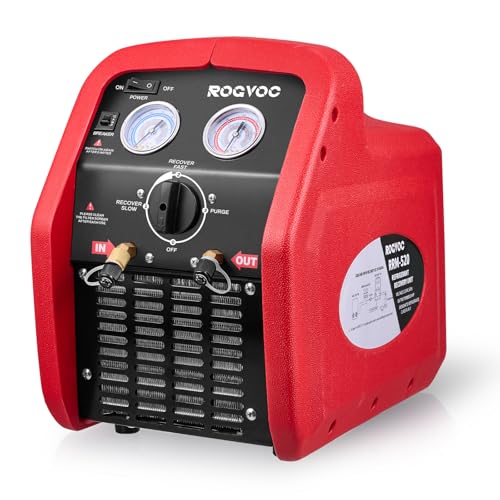
Rogvoc Portable 3/4 HP Refrigerant Recovery Machine, Single Cylinder | 110-120V 60Hz AC Recovery Machine with High Pressure Protection, Recycling Unit HVAC for Automotive/Household AC System
Check price on Amazon
VIVOHOME A2L 3/4HP Single Cylinder Portable Refrigerant AC Recovery Machine | HVAC Recovery Machine Oil-Less Freon Recycling Unit for Liquid Vapor Refrigerant R32 R1234yf R454B R134a R410a R12 R22 Car
Check price on Amazon
Replacement Filter Pads for Soler & Palau ERV TR200 / TR300-4 Pack of 10-1/2 inch x 21-3/4 inch
Check price on Amazon
3/4HP Single Cylinder Refrigerant Recovery Machine for HVAC FREON RECLAIM | 3 Working Modes, Built-In 558psi High Voltage Protection, for Ship AC, Cold Storage And Heat Pump Maintenance
Check price on Amazon
Wisscool 3/4 HP Refrigerant Recovery Machine, 60Hz Portable | Freon Recycling Unit HVAC Oil-Less Self-Cleaning, for Vapor Liquid Refrigerant Household Car Air Conditioning
Check price on Amazon
Hilmor 1950536 Brushless DC Refrigerant Recovery Machine, HVAC Tools and Equipment, Professional Use, 9.6" x 5.4" x 13.3", Black
Check price on AmazonDisclaimer
Some of the content on this site uses AI assistance. Information is provided for educational purposes only. We are not responsible for any losses resulting from the use of this information. By using this site, you waive any right to bring legal claims against us arising from your use of the information provided. If you do not agree, please do not use this site. Read the full disclaimer.