Energy Saving Air Conditioning Units: The Complete Buyer's Guide
Understand how modern air conditioners reduce electricity use through inverter compressors, higher SEER2 ratings, smart controls, and correct sizing — so you can choose the right system for your home.
Start With The BasicsWhy this guide exists: An air conditioner is one of the largest energy consumers in most American homes. Choosing an energy saving unit is not only about a label — it is about matching compressor technology, efficiency rating, capacity, and installation quality to your actual living space. This guide walks you through each factor so you can buy with confidence.
What Makes an Air Conditioning Unit Energy Saving?
An energy saving air conditioning unit reduces the electricity required to remove a given amount of heat from your home. Efficiency is shaped by several interrelated components: the compressor type, the heat exchanger design, refrigerant choice, fan efficiency, and how the whole system is controlled. Manufacturers express overall efficiency using standardized ratings such as SEER2, EER2, and HSPF2, and consumers can further verify performance through programs like ENERGY STAR certified air conditioners.
The practical result is that a well-selected high-efficiency unit can run shorter effective cycles or modulate gently for long periods, holding indoor temperatures steady while drawing less power from the grid. Combined with correct sizing and airtight ductwork, the savings compound over the life of the equipment.
Key Efficiency Metrics Explained
Understanding the numbers on a specification sheet is the first step toward a smart purchase. The following metrics appear on nearly every air conditioner sold in the United States:
- SEER2 (Seasonal Energy Efficiency Ratio 2): The updated DOE metric that estimates cooling efficiency across a representative cooling season. Higher is better. Minimums vary by region, but modern efficient split systems commonly start around 14.3 SEER2 and climb well beyond 20 SEER2 in premium models.
- EER2 (Energy Efficiency Ratio 2): A snapshot metric measured at a specific outdoor temperature. It is useful for hot climates where peak-demand efficiency matters.
- HSPF2 (Heating Seasonal Performance Factor 2): Relevant for heat pump systems that provide both cooling and heating. Higher values indicate more efficient heating.
- ENERGY STAR certification: Indicates the unit meets or exceeds efficiency thresholds set by the EPA. Look for the ENERGY STAR certified air conditioner designation as a quick screen.
These ratings let you compare systems on equal footing. A mid-range inverter unit with a solid SEER2 score will generally outperform an entry-level fixed-speed model in real-world energy use, especially during long cooling seasons.
Compressor Technology: Inverter vs Fixed Speed
The compressor is the heart of any air conditioner, and its control strategy has a direct impact on energy use:
- Fixed-speed (single-stage) compressors run at full power and cycle on and off to maintain temperature. They are simple and durable, but the repeated start-stop pattern wastes energy and creates temperature swings.
- Two-stage compressors offer a low-capacity and a high-capacity mode, improving part-load efficiency and comfort compared with single-stage units.
- Inverter (variable-speed) compressors continuously adjust speed to match the cooling load. This smooth modulation avoids the inefficiency of frequent cycling and is a hallmark of energy efficient air conditioning systems.
For households that run cooling for many hours per day, an inverter model is typically the most efficient choice. The table below summarizes how the major technologies compare across efficiency and comfort dimensions:
| Technology | Efficiency Profile | Comfort | Best For |
|---|---|---|---|
| Single-stage | Entry-level efficiency | Noticeable temperature swings | Occasional use, mild climates |
| Two-stage | Mid-tier efficiency | Steadier temperatures | Most households in mixed climates |
| Inverter / variable-speed | High-end tier efficiency | Very stable, quiet operation | Long cooling seasons, whole-home comfort |
Energy Saving AC Types by Installation
Different installation formats offer different efficiency potential. The right choice depends on your home's ductwork, room layout, and how much of the home you need to cool.
Ductless Mini-Split Systems
Ductless systems avoid the energy losses associated with leaky ductwork and are often the most efficient way to cool individual zones. Modern energy efficient mini-split air conditioners frequently achieve some of the highest SEER2 ratings on the market. For homes without existing ducts or with troublesome room-by-room comfort problems, a ductless mini-split is an excellent fit. You can also explore energy efficient ductless air conditioner options for targeted upgrades.
Central Air Conditioning
For whole-home cooling, a properly installed energy efficient central air unit remains a practical choice. Efficiency depends heavily on duct sealing and insulation; even a high-SEER2 condenser underperforms if supply ducts leak conditioned air into the attic. Pair a modern condenser with a variable-speed air handler and a smart thermostat for best results.
Window and Portable Units
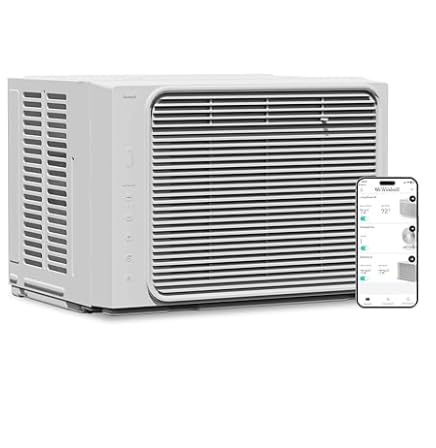
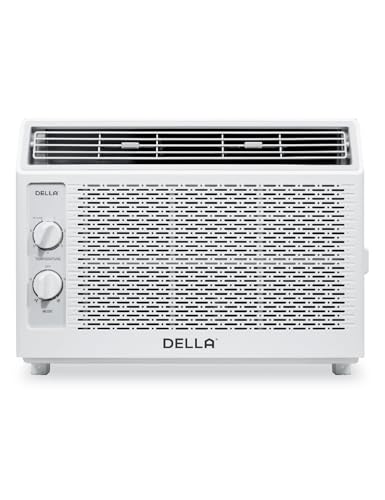
These formats are convenient for single rooms. If your cooling needs are limited, consider an energy efficient air conditioner for small room use, or a dedicated energy efficient single room air conditioner. Window models such as an energy efficient quiet window air conditioner balance efficiency with low noise. For flexibility, an energy efficient portable room air conditioner can be moved between spaces, though portable units generally trail window and mini-split models on efficiency.
How to Choose the Right Energy Saving Unit
Before comparing specific models, work through these decision factors in order. Each one influences the others, and a mistake at any stage can undermine the efficiency of an otherwise excellent unit.
1. Calculate the Cooling Load
Use a room-by-room heat load calculation (Manual J or a reliable BTU estimator) rather than rules of thumb. Oversized units cycle frequently and dehumidify poorly; undersized units run continuously.
2. Set a SEER2 Target
Match the rating to your climate and usage hours. Hot-climate homes benefit most from higher SEER2 values, while mild-climate homes may find mid-tier efficiency perfectly adequate.
3. Confirm Duct or Ductless Fit
If ducts exist and are in good condition, central or ducted systems work well. If not, a ductless mini-split avoids costly duct installation and energy losses.
4. Plan the Controls
Smart thermostats, scheduling, and zoning extend the effective efficiency of any unit by reducing wasted runtime when rooms are unoccupied.
For broader context on efficiency upgrades across categories, the guide to energy efficiency HVAC and the overview of energy efficient heating and cooling provide useful supporting detail.
Installation and Maintenance for Maximum Efficiency
Even a top-tier unit only delivers its rated efficiency when installed correctly and maintained consistently. Consider these operational priorities:
- Correct refrigerant charge and airflow: An improperly charged system loses efficiency immediately and may suffer premature compressor wear.
- Sealed and insulated ductwork: Duct leakage is one of the largest hidden efficiency penalties in central systems. Reviewing ductwork design principles helps identify problem areas.
- Regular filter changes: Restricted airflow forces the blower to work harder and reduces cooling capacity.
- Seasonal professional service: Coil cleaning, electrical checks, and refrigerant verification keep the system operating at its designed efficiency.
- Smart usage habits: Complement the equipment with practical energy saving tips for AC operation, such as raising the setpoint when away and using ceiling fans to improve perceived comfort.
How Much Energy Can an Efficient Unit Save?
Savings depend on the baseline system you are replacing, your local climate, home insulation, and usage patterns. Generally, moving from an older single-stage system to a modern inverter unit with a meaningfully higher SEER2 rating produces the largest improvement. The relative difference between tiers matters more than any single number:
- Entry-level replacement: A modest step up from an aging baseline unit. Efficiency improves, but large gains typically require moving to a higher tier.
- Mid-tier upgrade: Two-stage or mid-range inverter systems usually deliver a noticeable reduction in seasonal energy use compared with older single-stage equipment.
- Top-tier upgrade: High-SEER2 inverter systems paired with sealed ducts and smart controls represent the strongest long-term investment for heavy cooling users.
To fine-tune real-world results, combine equipment efficiency with home-level measures such as a home energy audit and improving envelope performance through an understanding of portable AC efficiency if you use supplemental room units.
Frequently Asked Questions
What SEER2 rating should an energy saving air conditioner have?
For most U.S. regions, the minimum SEER2 requirement is 14.3 for split systems and 13.4 for packaged units. Higher ratings, such as 16 to 20 SEER2 or above, deliver noticeably better efficiency and are worth prioritizing if you run your system heavily.
Is an inverter air conditioner more energy efficient than a non-inverter model?
Yes. An inverter compressor adjusts its speed continuously instead of switching on and off at full power. This reduces cycling losses, maintains steadier temperatures, and typically uses less energy over long cooling sessions.
Do smart thermostats really help air conditioning units save energy?
They can. Smart thermostats learn your schedule, reduce cooling when rooms are empty, and allow remote adjustments. Combined with a properly sized energy efficient AC, they help avoid wasted runtime.
How does proper sizing affect air conditioner energy use?
An oversized unit cools too quickly and cycles frequently, which wastes energy and dehumidifies poorly. An undersized unit runs constantly and strains components. A correct load calculation ensures efficient, comfortable operation.