ENERGY STAR Air Conditioners: The Complete Guide
Understand what ENERGY STAR certification really means, how it is measured, which AC types qualify, and how to choose an efficient model that fits your home and cooling needs.
Start ReadingWhy this matters: Cooling can account for a significant share of a household's annual electricity use. Choosing an ENERGY STAR certified air conditioner is one of the most reliable ways to reduce that consumption without sacrificing comfort. This guide explains the certification in plain language and helps you decide whether a certified unit is the right fit for your situation.
What Is an ENERGY STAR Air Conditioner?
ENERGY STAR is a voluntary labeling program run by the U.S. Environmental Protection Agency (EPA) in partnership with the U.S. Department of Energy. An air conditioner that carries the ENERGY STAR label has been independently verified to meet efficiency criteria that are stricter than the federal minimum standards for its product category. In practice, this means the unit delivers the same cooling output while consuming less electricity than a comparable non-certified model.
The label applies across several product categories, including central air conditioners, ductless mini-split systems, window units, portable units, and certain packaged systems. Each category has its own efficiency thresholds, and those thresholds are updated periodically as technology improves and federal standards change.
It is important to understand that ENERGY STAR certification is not a single number. Two certified units of the same type can still differ in efficiency, features, and build quality. The label tells you the model has cleared a minimum efficiency bar; it does not tell you it is the most efficient model available. For that, you need to compare the underlying metrics such as SEER2, EER2, and HSPF2.
How ENERGY STAR Certification Works
The EPA sets certification requirements by product category. Manufacturers submit their models for testing at accredited laboratories, and the results are reviewed against the current ENERGY STAR specification. If a model meets the threshold, the manufacturer may apply the label. The program also includes periodic verification testing to ensure that labeled products continue to meet the requirements in production.
Efficiency requirements are tied to region and product type. For example, central air conditioners sold in the northern part of the United States have different thresholds than those sold in the southern part, because cooling demand and climate differ. Similarly, a window unit and a ductless mini-split are judged against separate specifications. This is why you should always check the current ENERGY STAR requirements for the specific product category you are shopping in, rather than assuming one number applies everywhere.
The program also covers heating and cooling combined systems. If you are considering a heat pump that provides both cooling and heating, look for certification in the appropriate category, since the efficiency metrics used for cooling and heating are different.
Key Efficiency Metrics Behind the Label
To make an informed decision, it helps to understand the metrics that ENERGY STAR and the federal standards rely on. These numbers appear on the yellow EnergyGuide label and in manufacturer specifications.
| Metric | What It Measures | Why It Matters |
|---|---|---|
| SEER2 | Seasonal Energy Efficiency Ratio, updated test procedure | Estimates cooling efficiency across a typical cooling season; higher is better. |
| EER2 | Energy Efficiency Ratio at a specific peak condition | Reflects efficiency on hot days when demand is highest; useful in warm climates. |
| HSPF2 | Heating Seasonal Performance Factor, updated procedure | Relevant for heat pumps that also provide heating; higher is better. |
The "2" suffix indicates that the rating uses the updated test procedures introduced under the DOE's efficiency standards. When comparing models, make sure you are comparing like-for-like metrics. A SEER rating from an older test procedure is not directly interchangeable with a SEER2 rating.
If you want a deeper explanation of how these ratings are calculated and what they mean for real-world performance, the guide on HVAC energy efficiency walks through the concepts in more detail.
Benefits of Choosing a Certified Unit
The most direct benefit is lower electricity consumption for the same amount of cooling. Over a full cooling season, the difference between a certified unit and a minimally compliant model can be meaningful, especially in households that run the system daily during summer. Because the savings compound over the life of the equipment, the higher efficiency of a certified model is often a long-term investment rather than an upfront preference.
Certified models often include technologies that improve comfort alongside efficiency. Inverter compressors, variable-speed fans, and improved coil designs are common in energy-efficient air conditioning systems. These features can produce more stable temperatures, reduce short cycling, and in many cases operate more quietly than entry-level units.
There is also a practical incentive dimension. Many utility companies and state programs offer rebates or other incentives for installing certified equipment. These programs vary widely by location and change over time, so check with your local utility and state energy office for current offerings. The guide on ENERGY STAR HVAC covers the broader program context.
ENERGY STAR Certified AC Types
Certification is available across the main residential cooling categories. The right choice depends on your home's layout, whether ductwork exists, and how much space you need to cool.
Central Air Conditioners
Whole-home cooling through ductwork. Certified split and packaged systems meet efficiency thresholds above the federal minimum. Best suited to homes with existing ducts and a single cooling zone.
Ductless Mini-Splits
Zone-based cooling without ducts. Certified models are common and often pair well with heat pump operation. Ideal for additions, older homes, and rooms that are hard to cool with central systems.
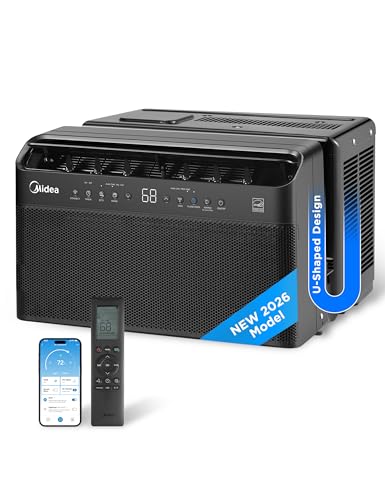
Window Air Conditioners
Single-room cooling that installs in a window opening. Certified window units are widely available and are a practical option for apartments and renters who need a straightforward installation.
Portable Air Conditioners
Freestanding units that exhaust through a window kit. Certification exists for this category, but efficiency varies more widely than in other types, so compare ratings carefully before deciding.
For window units specifically, the guide on ENERGY STAR certified window air conditioners compares categories and explains what to look for on the label. If you are considering a mini-split, the overview of ENERGY STAR certified AC options is a useful starting point.
How to Choose the Right Certified AC
Certification is a filter, not a final answer. Once you have narrowed your options to certified models, use the following steps to make a confident choice.
1. Size the system correctly
An oversized unit cools quickly but short cycles, which reduces dehumidification and can make the space feel clammy. An undersized unit runs continuously and may never reach the set temperature on hot days. Use a room-size or load-based method to determine the right capacity. The guide on BTU calculation by room size explains the inputs that matter.
2. Match the type to your home
If your home already has ductwork, a central system is usually the most straightforward path. If it does not, or if you need to cool only part of the home, a ductless mini-split or a window unit may be more practical. For a side-by-side comparison, see ductless vs ducted AC.
3. Compare efficiency within the category
Two certified units can still differ in SEER2 and EER2. In hotter climates, EER2 deserves more weight because it reflects performance at peak conditions. In milder climates, SEER2 is often the more relevant seasonal indicator. Use the ENERGY STAR certified air conditioner reference to compare models in the same product class.
4. Consider features that support efficiency
Inverter compressors, variable-speed fans, and programmable or smart thermostats can help a certified unit deliver its rated efficiency in real use. A well-designed energy-efficient single-room air conditioner with these features often provides more consistent comfort than a basic model with the same label.
5. Plan for installation and maintenance
Efficiency depends on correct installation. Refrigerant charge, airflow, and duct sealing all affect how closely a unit performs to its rating. For mini-splits, review ductless mini-split AC installation so you understand what a proper install involves. Routine maintenance such as filter cleaning and coil care keeps efficiency from degrading over time; see energy saving tips for AC for a practical checklist.
Efficiency Tiers in Plain Terms
Rather than thinking in absolute numbers, it can help to place models into broad tiers. The descriptors below are relative and describe market positioning, not specific ratings.
| Tier | Typical Characteristics | Best For |
|---|---|---|
| Entry-level certified | Meets ENERGY STAR thresholds; basic features; single-speed or simple inverter compressor | Occasional use, secondary rooms, straightforward replacements |
| Mid-range certified | Higher SEER2/EER2; inverter compressor; improved fan and coil design | Daily use in main living areas; households focused on long-term efficiency |
| Premium certified | Top-tier efficiency within the category; advanced controls; quieter operation; enhanced filtration options | Whole-home comfort, high cooling hours, buyers prioritizing performance and quiet |
A mid-range certified model usually offers a better balance of efficiency and features than an entry-level unit for households that run cooling most days. A premium model makes the most sense when cooling demand is high and comfort features are a priority.
Common Mistakes to Avoid
- Assuming the label is enough. Certification is a floor, not a ranking. Compare SEER2 and EER2 across certified models in the same category.
- Ignoring sizing. An efficient unit that is the wrong size will underperform. Size first, then compare efficiency.
- Overlooking installation quality. A certified unit installed with a poor refrigerant charge or leaky ducts will not deliver its rated efficiency.
- Skipping maintenance. Dirty filters and coils reduce performance over time. A simple seasonal routine protects the investment.
- Mixing metrics. Do not compare SEER ratings from older test procedures with SEER2 ratings. Use consistent metrics.
Frequently Asked Questions
What makes an air conditioner ENERGY STAR certified?
An air conditioner earns ENERGY STAR certification when it meets or exceeds efficiency thresholds set by the U.S. Environmental Protection Agency. These thresholds are based on SEER2, EER2, and HSPF2 ratings and are stricter than the federal minimum standards for the same product category.
Is an ENERGY STAR air conditioner worth it?
For most households that run cooling for several months each year, an ENERGY STAR certified unit is a worthwhile investment. The higher efficiency typically translates into lower electricity consumption over the system's lifespan, and many utilities offer rebates for certified models.
What SEER2 rating qualifies for ENERGY STAR?
ENERGY STAR requirements vary by product type and region. For central air conditioners, certified models generally need a SEER2 rating above the federal minimum, with separate thresholds for split systems and packaged units. Always confirm the current requirement for your specific product category and region.
Are ENERGY STAR window air conditioners quieter?
Not necessarily. ENERGY STAR certification focuses on efficiency, not sound levels. However, many premium and top-tier window units that carry the label also include inverter compressors and improved fan designs that tend to run more quietly than entry-level models.
Can I get rebates for a certified AC?
Many utilities and state programs offer incentives for installing certified equipment. Eligibility, amounts, and application processes vary by location and change over time. Check with your local utility and state energy office for current programs before you purchase.
Ready to Compare Certified Models?
Browse recommended ENERGY STAR air conditioners across window, portable, mini-split, and central categories. Each listing includes efficiency details and key features to help you compare within the tier that fits your needs.
Explore Options