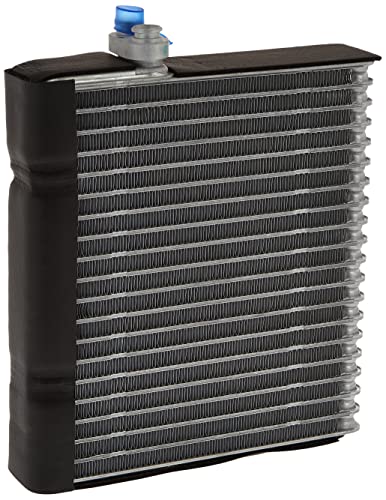
Evaporator Core Replacement: What to Expect and How to Plan
If your AC is losing cooling power, icing up, or showing signs of a refrigerant leak, the evaporator core may be the culprit. Here is a clear, practical look at the replacement process, the options available, and how to make a confident decision.
Research-stage guide · Updated November 2026Why this page matters: An evaporator core replacement is one of the more involved HVAC repairs, and it is easy to feel uncertain when a technician recommends it. This guide walks you through what the component does, how to recognize failure, what the replacement involves, and how to choose the right tier of parts and service so you can move forward with clarity rather than guesswork.
What the Evaporator Core Actually Does
The evaporator core, often called the evaporator coil, is the indoor heat-exchange component of your air conditioning system. Refrigerant enters the coil as a cold, low-pressure liquid. As warm indoor air is pulled across the fins by the blower, the refrigerant absorbs heat and evaporates. The cooled air is then pushed back into your home, while the refrigerant travels to the outdoor condenser to release that heat and start the cycle again.
Because the core is constantly wet with condensation and exposed to circulating dust and debris, it is one of the most wear-prone parts of an HVAC system. When the core develops leaks, corrosion, or physical damage, the entire system loses efficiency, and the cooling you feel inside the home drops noticeably.
Signs Your Evaporator Core May Need Replacement
Evaporator failures rarely happen overnight. Most homeowners notice a cluster of symptoms that build over weeks or months. Recognizing them early helps you avoid a full system breakdown and makes the repair decision more straightforward.
Weak or Inconsistent Cooling
Air blows from the vents but feels only mildly cool, or the home never reaches the set temperature.
Ice on the Coil or Lines
Frost or ice forming on the indoor coil, refrigerant lines, or near the air handler is a classic low-charge or airflow symptom.
Musty or Chemical Odors
A persistent damp smell can indicate mold growth on a wet coil, while a sweet chemical smell may point to a refrigerant leak.
Water Near the Indoor Unit
Pooling water or a clogged condensate pan can signal a frozen coil melting or a blocked drain connected to the core.
Hissing or Bubbling Sounds
These noises often accompany refrigerant escaping from a small crack or pinhole in the coil.
Rising Energy Consumption
A failing core forces the system to run longer, which gradually shows up as higher electricity use without any obvious change in habits.
If you are seeing several of these symptoms at once, a professional inspection is the fastest way to confirm whether the core itself is the problem or whether the issue lies elsewhere, such as a failing blower, a dirty filter, or a refrigerant charge problem. For a broader troubleshooting reference, the guide on evaporator coils explains how the component fits into the wider system.
Repair or Replace? How to Think About the Decision
Not every evaporator problem requires a full replacement. Small leaks can sometimes be sealed, and minor airflow issues can be corrected by cleaning the coil and restoring proper refrigerant charge. However, replacement becomes the more sensible path when:
- The coil has multiple leaks or widespread corrosion across the fins and tubing.
- The core has been repaired before and the leak has returned.
- Physical damage has bent or crushed the coil beyond practical repair.
- The system uses an older refrigerant that is being phased out, making future servicing harder.
- The outdoor unit is nearing the end of its expected service life, which makes a single-part replacement a short-term fix at best.
A useful rule of thumb among HVAC professionals is to weigh the scope of the repair against the age and condition of the rest of the system. If the evaporator is the only weak link in an otherwise healthy system, replacement makes sense. If multiple major components are aging together, a broader system plan may be the wiser long-term investment.
The Replacement Process, Step by Step
Understanding what happens during the repair helps you ask better questions and set realistic expectations for downtime. While every installation differs, the general sequence looks like this:
- Diagnosis and confirmation. The technician confirms the core is failing through pressure testing, leak detection, and visual inspection of the coil and drain pan.
- Refrigerant recovery. Existing refrigerant is recovered into a certified cylinder so it can be handled responsibly.
- System isolation and disassembly. The refrigerant lines, electrical connections, and duct connections around the air handler or furnace are isolated so the coil can be accessed.
- Core removal. The old evaporator core is removed. In some installations this is a straightforward slide-out; in others it requires more extensive disassembly of the plenum or cabinet.
- New core installation. The replacement core is fitted, sealed, and connected to the refrigerant lines. Proper sealing matters for both efficiency and moisture control.
- Leak testing and evacuation. The system is pressure-tested and evacuated to remove moisture and air before recharging.
- Recharge and calibration. Refrigerant is weighed back in to the manufacturer's specification, and airflow and temperature split are verified.
- Cleanup and verification. The condensate drain is checked, the cabinet is reassembled, and the system is run through a full cooling cycle to confirm performance.
Timelines vary with access and system layout. A straightforward replacement is often completed within a day, while more complex installations or additional duct and electrical work can stretch across two visits. Planning for a full day of downtime is a reasonable expectation for most homes.
Understanding Evaporator Core Tiers
Replacement cores are available across a range of build qualities and specifications. Rather than focusing on any single figure, it helps to think in tiers, the same way you would when comparing appliances. The table below outlines the general positioning of each tier so you can match the part to your system and long-term plans.
| Tier | Best For | Typical Characteristics |
|---|---|---|
| Entry-level | Older systems with limited remaining service life; short-term planning | Standard copper or aluminum construction, basic fin protection, adequate for mild climates and light use |
| Mid-range | Most residential replacements where reliability and efficiency matter | Improved coil coatings, better fin density, more consistent brazing, solid choice for the tier in typical homes |
| Premium | High-efficiency systems and homes in humid or coastal environments | Enhanced corrosion-resistant finishes, tighter manufacturing tolerances, well-specified for the category |
| High-end tier | Long-term ownership plans and matched high-efficiency systems | Advanced coatings, optimized circuiting for efficiency, durable construction aimed at extended service life |
| Commercial-grade | Light commercial spaces, multi-unit buildings, heavy runtime | Heavy-duty materials, reinforced cabinet integration, designed for continuous operation and easier service access |
Matching the tier to your system matters more than choosing the highest tier available. A premium core paired with an aging outdoor unit will not deliver its full benefit, while an entry-level core in a high-efficiency system can hold the whole installation back. The most reliable approach is to ask your contractor to explain which tier fits your existing equipment and why. For broader context on efficiency expectations, the guide to ENERGY STAR qualified air conditioners explains how efficiency ratings interact with component quality.
What Affects the Scope of the Job
Two homes with the same failing coil can face very different projects. The scope of an evaporator core replacement depends on several practical factors:
- System type and layout. A coil in an accessible air handler is faster to reach than one tucked into a tight attic or closet.
- Refrigerant type. Systems using refrigerants that are being phased out may require additional planning around supply and compatibility.
- Age of the system. Older systems sometimes have brittle insulation, worn seals, or mismatched components that need attention during the job.
- Ductwork condition. Leaky or disconnected ducts are often discovered during replacement and should be addressed to protect the new core.
- Drain and cabinet condition. A corroded drain pan or damaged cabinet can add to the scope if it needs replacement alongside the core.
Discussing these factors with your contractor before work begins helps prevent surprises and gives you a more accurate picture of what the project involves. It is also a good moment to ask whether the outdoor unit and ductwork are in good enough shape to support a new core.
Protecting Your New Evaporator Core
A replacement core is an investment, and a few simple habits help it last as long as possible:
- Replace air filters on a consistent schedule to keep airflow strong and prevent coil icing.
- Schedule annual professional maintenance so the coil can be cleaned and refrigerant charge verified.
- Keep the condensate drain clear to prevent standing water and mold growth near the coil.
- Address duct leaks promptly, since unbalanced airflow stresses the coil and blower.
- Watch for early symptoms such as reduced cooling or unusual noises and act on them before they escalate.
Homeowners who maintain their systems consistently typically get more years of service from a replacement core, and they also catch smaller issues before they turn into larger repairs. If you are comparing a repair with a broader system upgrade, the guide on estimating an AC replacement walks through how to evaluate the bigger picture.
Key Takeaways
- Evaporator cores fail gradually — weak cooling, icing, odors, and water near the indoor unit are the most common signals.
- Replacement is the more dependable path when a coil has multiple leaks, widespread corrosion, or a history of repeat repairs.
- The job involves refrigerant recovery, evacuation, and recharge, so it requires certified professionals.
- Match the core tier to your system rather than defaulting to the highest available option.
- Consistent filter changes and annual maintenance are the most effective ways to protect a new core.
Frequently Asked Questions
What are the most common signs that an evaporator core needs replacement?
Can an evaporator core be repaired instead of replaced?
How long does an evaporator core replacement usually take?
Should the entire system be replaced instead of just the evaporator core?
How can homeowners extend the life of a new evaporator core?
Related Guides
If you are still in the research stage, these in-depth guides can help you connect the evaporator core decision to the rest of your HVAC planning:
Ready to Compare Replacement Parts and Systems?
Once you have a clear picture of what your system needs, the next step is comparing the right tier of parts and equipment for your home. Explore carefully selected options below.
Explore Options