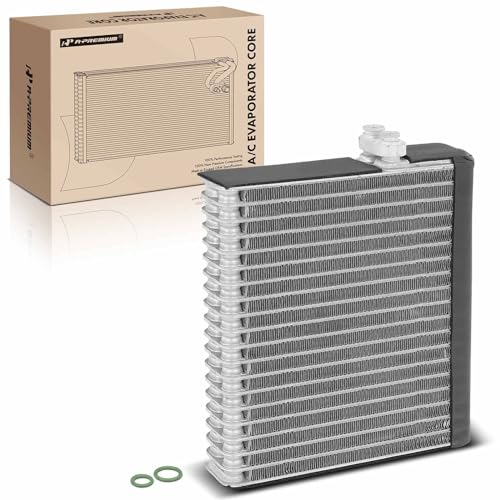
Evaporator for AC: The Complete Guide
Understand how the evaporator coil cools your home, recognize the warning signs of failure, and learn how to maintain, clean, and replace this critical component with confidence.
START LEARNINGQuick summary: The evaporator coil is the indoor heat-absorbing component of your air conditioner. It turns refrigerant from liquid to gas while pulling heat and humidity out of your living space. Keeping it clean and frost-free is the single most effective way to protect cooling performance, indoor air quality, and the lifespan of your entire HVAC system.
What Is the Evaporator in an Air Conditioner?
The evaporator is the indoor coil assembly of a split or central air conditioning system. It sits inside the air handler or furnace cabinet and is connected by refrigerant lines to the outdoor condenser unit. As warm indoor air is pulled across the evaporator fins by the blower, liquid refrigerant inside the coil absorbs heat and evaporates into a low-pressure gas. That phase change is what produces cooling.
Because the evaporator operates below the dew point of the surrounding air, moisture condenses on its fins and drains away through a condensate line. This is why a healthy evaporator coil both cools and dehumidifies. If the coil is dirty, frosted, or leaking, the system loses capacity and the compressor has to work harder to compensate.
If you are still mapping out the components of your system, our guides on the evap coil and the broader fan coil unit explain how the indoor coil integrates with the blower and ductwork.
Heat Absorption
The coil absorbs sensible heat from indoor air, lowering the room temperature as refrigerant evaporates inside the tubes.
Dehumidification
Moisture condenses on the cold fins and drains out, which is why a functioning evaporator feels "dry cool" rather than clammy.
Air Filtration Support
A clean coil prevents dust and biological growth from being reintroduced into the airstream after the filter.
Refrigerant Metering
Paired with the expansion valve, the evaporator maintains the correct pressure and superheat for efficient cooling.
How the Evaporator Coil Works in the Cooling Cycle
The cooling cycle follows four predictable stages, and the evaporator is the stage that directly serves your living space:
- Compression: The compressor in the outdoor unit pressurizes refrigerant vapor, raising its temperature.
- Condensation: The hot gas releases heat to outdoor air as it moves through the condenser coil and becomes a liquid.
- Expansion: The expansion valve drops refrigerant pressure and temperature before it enters the evaporator.
- Evaporation: Inside the indoor coil, refrigerant absorbs heat from your home's air and boils back into a gas, completing the loop.
Because the evaporator sits downstream of the air filter, anything that bypasses the filter — pet hair, drywall dust, pollen — can collect on the fins. That buildup insulates the coil, reduces heat transfer, and eventually causes the coil to freeze. Regular filter changes and periodic coil cleaning are the most practical defenses.
Understanding refrigerant behavior also helps when diagnosing problems. Our overview of freon for HVAC explains how charge levels affect evaporator temperature and superheat readings.
Common Evaporator Coil Configurations
Evaporator coils are built in several shapes to fit different air handlers and airflow directions. The right configuration depends on the cabinet design, duct layout, and whether the system is a straight-cool or heat pump application.
| Configuration | Best For | Key Consideration |
|---|---|---|
| A-coil | Upflow, downflow, and horizontal air handlers | Most common residential design; fits a wide range of cabinets |
| N-coil / slab coil | Compact cabinets and tight mechanical closets | Lower profile but requires careful airflow balancing |
| Z-coil | Applications needing higher capacity in limited height | Efficient surface area; verify cabinet compatibility |
| Cased vs. uncased | Cased for retrofits; uncased for custom installs | Cased coils simplify future replacement and sealing |
For ductless systems, the evaporator is integrated into the wall-mounted or floor-mounted indoor head. Our floor mounted mini split guide covers how those indoor units package the coil, blower, and drain pan in a single chassis.
Signs Your Evaporator Coil Needs Attention
Evaporator problems rarely appear suddenly. Most coils degrade gradually, and the earliest symptoms are easy to dismiss as "the system is just getting old." Watch for these indicators:
- Weak cooling: Supply air feels lukewarm even when the thermostat is calling for cooling.
- Ice on the indoor coil or refrigerant lines: Frost or ice is a classic sign of restricted airflow or low refrigerant charge.
- Water around the air handler: A clogged drain pan or frozen coil that melts can overflow and damage surrounding materials. See our guide on excessive water dripping from the AC drain pipe for drainage troubleshooting.
- Musty or "dirty sock" odors: Biological growth on a damp coil releases odors into the airstream.
- Rising energy use: A fouled coil forces longer run times to reach the setpoint.
- Frequent short cycling or compressor strain: Low suction pressure from a leaking coil can push the compressor toward failure.
If cooling has stopped entirely, start with our fixing an air conditioner checklist before assuming the coil is the culprit.
How to Clean an Evaporator Coil Safely
Cleaning the evaporator is a routine maintenance task, but it must be done with care because the aluminum fins are delicate and the coil sits close to electrical components. Follow this sequence:
- Power down: Turn off the thermostat and the air handler's dedicated breaker.
- Access the coil: Remove the access panel and, if applicable, the filter. Some cased coils have a removable front plate.
- Inspect first: Look for frost, corrosion, bent fins, or oil residue. Frost means you should diagnose airflow or charge before cleaning.
- Dry-brush loose debris: Use a soft-bristle brush or vacuum with a brush attachment to lift dust from the fin faces.
- Apply coil cleaner: Use a no-rinse evaporator-specific cleaner or a mild dish-soap solution. Avoid harsh acids that attack aluminum.
- Rinse and drain: Flush gently with low-pressure water and confirm the condensate pan and drain line are clear.
- Straighten fins: Use a fin comb to restore airflow through bent sections.
- Reassemble and test: Restore power, run the system, and check for proper cooling and drainage.
Schedule a professional cleaning once per year, ideally before the cooling season. In dusty climates or homes with pets, an additional inspection mid-season is worthwhile. Combine coil cleaning with filter replacement and a general system check using our filters for window air conditioners guidance if you also run window units.
When to Repair vs. Replace the Evaporator Coil
Not every coil problem requires replacement. Pinhole leaks in an accessible location can sometimes be brazed, and a single frozen coil caused by a dirty filter may resolve with cleaning alone. Replacement becomes the better path when:
- The coil has multiple leaks or widespread corrosion.
- The refrigerant type is being phased out and compatible coils are unavailable.
- The coil is at or near the end of its expected service life.
- Repeated repairs are interrupting comfort during peak season.
Because evaporator replacement involves recovering refrigerant, brazing, evacuation, and recharging, it is a licensed technician task. Our EPA refrigerant handling guide explains the regulations that apply. For planning purposes, the evaporator core replacement cost page outlines the factors that influence the scope of the job.
If the outdoor unit is also aging, compare the cost of a coil-only repair against a full system replacement before committing.
How to Choose the Right Replacement Evaporator Coil
Matching the evaporator to the rest of the system is essential for efficiency and warranty compliance. Use these criteria when evaluating options:
| Tier | Best For | What to Expect |
|---|---|---|
| Entry-level | Straight replacements in older systems | Standard copper-aluminum construction, basic cabinet finish |
| Mid-range | Most residential retrofits and upgrades | Improved fin coatings, better cabinet sealing, broader compatibility |
| Premium | High-efficiency systems and humid climates | Enhanced corrosion protection, optimized circuiting, tighter tolerances |
| Commercial-grade | Light commercial and multi-zone systems | Heavy-duty casing, serviceable headers, longer design life |
Confirm the following before ordering: refrigerant type compatibility, coil tonnage and circuiting, cabinet dimensions, airflow direction, and whether the coil is cased or uncased. For systems paired with a heat pump, verify that the coil is rated for heating operation as well. If you are evaluating a full system rather than a coil alone, our ENERGY STAR qualified air conditioners overview shows how coil quality contributes to overall efficiency ratings.
Preventive Maintenance Checklist
Small habits extend evaporator life significantly. Build these into your seasonal routine:
- Replace or clean the air filter every one to three months, depending on household conditions.
- Keep supply and return vents unobstructed to maintain design airflow.
- Schedule professional coil cleaning and a refrigerant charge check annually.
- Flush the condensate drain at the start of the cooling season to prevent backups.
- Seal duct leaks near the air handler so humid attic air does not condense on the coil.
- Monitor for frost and address it immediately rather than waiting for a full freeze-up.
If you are comparing whole-home options alongside coil maintenance, our ENERGY STAR most efficient air conditioner guide pairs well with this maintenance framework.
Frequently Asked Questions
What does the evaporator coil do in an air conditioner?
The evaporator coil absorbs heat and moisture from the indoor air as refrigerant evaporates inside it. This is the component that actually cools your home and removes humidity before air is returned to the room.
How often should an AC evaporator coil be cleaned?
A professional cleaning is recommended once per year, ideally before the cooling season. In dusty environments or homes with pets, a mid-season inspection helps keep the coil free of buildup.
What are the signs of a failing evaporator coil?
Common signs include weak cooling, ice forming on the indoor coil, water leaking around the air handler, musty odors, and rising energy consumption. A technician can confirm the diagnosis with pressure and temperature readings.
Can a leaking evaporator coil be repaired?
Small pinhole leaks can sometimes be sealed, but coils with widespread corrosion or multiple leaks are usually replaced. The decision depends on coil age, refrigerant type, and the overall condition of the system.
Why does ice form on the evaporator coil?
Ice typically forms when airflow is restricted by a dirty filter or blocked vents, or when refrigerant charge is low. Both reduce the coil temperature below freezing. Shut the system off, thaw the coil, then address the root cause before restarting.
Ready to Compare Evaporator Options?
Browse our curated selection of evaporator coils and related components, then check compatibility before you order.
VIEW RECOMMENDED PRODUCTS