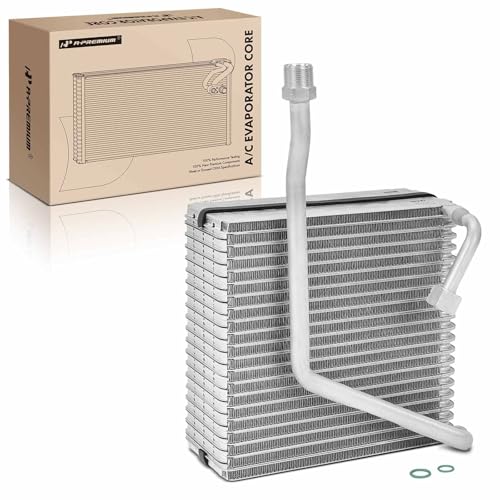
Evap Coil Guide: How Evaporator Coils Work in Air Conditioners
Everything you need to know about the evaporator coil — the indoor heat-exchange component responsible for cooling and dehumidifying the air in your home. Understand how it works, how to maintain it, and when replacement makes sense.
START LEARNINGAC Units Guide Philosophy: A well-maintained evap coil is the quiet workhorse of your cooling system. This guide helps you understand the component, recognize the warning signs of failure, and make an informed decision before you buy a replacement or book a service call.
What Is an Evap Coil?
An evap coil (short for evaporator coil) is the indoor heat-exchange component found in split-system air conditioners, heat pumps, and fan coil units. It is typically a fin-and-tube assembly made from copper or aluminum tubing, wrapped in tightly spaced aluminum fins that maximize surface area for heat transfer.
The coil sits inside the air handler or above the furnace. When warm indoor air is drawn across the cold coil by the blower, the refrigerant inside the tubing absorbs heat and boils into a gas. That phase change is what produces the cooling effect you feel at the supply vents. At the same time, moisture in the air condenses on the coil fins, which is why a healthy evap coil also dehumidifies your home.
Because the coil is constantly wet and exposed to circulating dust, it is one of the most maintenance-sensitive components in the entire system. Neglecting it leads to frozen coils, reduced capacity, and eventually compressor strain. If you want to understand the broader picture of indoor air-handling parts, the fan coil unit explained resource is a helpful companion read.
How an Evaporator Coil Works
The evap coil is one half of the refrigerant loop. The other half is the condenser coil, located outdoors. Here is the simplified cycle:
- Expansion: Liquid refrigerant passes through a metering device (TXV or fixed orifice) and drops in pressure and temperature, entering the coil as a cold mist.
- Absorption: As warm indoor air crosses the coil fins, the refrigerant absorbs heat and evaporates into a gas.
- Dehumidification: Moisture from the air condenses on the cold fins and drips into the drain pan, then exits through the condensate line.
- Return: The now-gaseous refrigerant travels back to the outdoor compressor, where it is compressed and sent to the condenser to release heat.
The result is cooler, drier air delivered back into your rooms. Understanding this cycle is essential for diagnosing problems — a dirty coil or restricted airflow breaks the balance at the absorption stage, and everything downstream suffers.
Types of Evap Coils
Evaporator coils come in several configurations. The right type depends on your system layout, indoor space, and refrigerant.
| Coil Type | Typical Position | Best For | Market Tier |
|---|---|---|---|
| A-coil (upflow) | Above the furnace, air flows upward | Standard residential furnaces in basements or closets | entry-level to mid-range |
| N-coil | Compact orientation | Tight spaces where a standard A-coil will not fit | mid-range |
| Slab coil | Horizontal, for horizontal air handlers | Attics, crawlspaces, and horizontal-flow systems | mid-range |
| Cased coil | Factory-sealed metal enclosure | Cleaner installation, easier replacement, protected fins | mid-range to premium |
| Uncased coil | Bare coil, field-fabricated cabinet | Custom retrofits and legacy systems | entry-level |
| Microchannel coil | Flat-tube aluminum design | Modern high-efficiency systems, reduced refrigerant charge | premium to top-tier |
When replacing a coil, always match the coil to the outdoor unit's capacity and refrigerant type. A mismatched coil can reduce efficiency and void warranties. If you are evaluating a full-system upgrade, the ENERGY STAR qualified air conditioners overview explains how coil and condenser efficiency ratings work together.
Signs of a Failing Evap Coil
Evap coils rarely fail without warning. Watch for these symptoms and act early — catching a problem at the coil stage often prevents compressor damage.
- Weak cooling: Air from the vents is cool but not cold, or cooling fades as the system runs.
- Ice on the indoor unit: Frost or ice on the coil or refrigerant lines usually indicates restricted airflow or low refrigerant.
- Water leaks: A clogged drain pan or frozen coil that thaws rapidly can overflow. Recurring drips near the air handler deserve inspection.
- Musty or mildew odors: A damp coil that never fully dries becomes a breeding ground for biological growth.
- Hissing or bubbling sounds: Often a sign of refrigerant leaking from the coil tubing.
- Rising energy usage: A fouled coil forces the system to run longer to reach the thermostat setpoint.
For related diagnostic guidance, the AC not cooling troubleshooting guide and the frozen coils solution article walk through step-by-step checks.
Maintenance Best Practices
Routine care extends the life of the evap coil and keeps your system running at its rated efficiency. Schedule these tasks into your seasonal routine:
- Replace the air filter regularly. A clogged filter starves the coil of airflow, leading to freeze-ups. Check the filter monthly during heavy-use months. The filter replacement guide covers timing and filter types.
- Inspect and clean the coil annually. A soft-bristle brush, coil cleaner, and a gentle water rinse (for accessible coils) remove dust and biological growth.
- Keep the drain pan and line clear. Flush the condensate line seasonally to prevent algae clogs and water damage.
- Verify airflow. Ensure supply and return vents are open and unblocked. Restricted return air is a common cause of coil icing.
- Book professional service. A technician can measure refrigerant pressures and superheat/subcooling to confirm the coil is performing as designed. See the AC maintenance plan overview for what a thorough tune-up includes.
Repair vs. Replacement: Making the Call
Not every coil problem requires replacement. Small, accessible leaks can sometimes be sealed. However, several factors point toward replacement:
- The coil has multiple leaks or leaks in hard-to-reach bends.
- The coil is more than 10–12 years old and the system uses an older refrigerant.
- Repeated refrigerant top-ups indicate a persistent leak.
- The coil is heavily corroded or fins are crushed beyond cleaning.
Replacement also deserves consideration when the outdoor unit is nearing end of life — pairing a new coil with a new condenser can be more reliable than mixing old and new components. The evaporator core replacement guide explains the factors that influence the scope of the job, while the replace vs. repair decision article helps you weigh the trade-offs.
Efficiency and Refrigerant Notes
Evap coil design directly affects system efficiency. A coil with a larger surface area and tighter fin spacing transfers heat more effectively, allowing the compressor to work less. That is why high-efficiency systems often pair a matched coil with a variable-speed blower and an inverter compressor.
Refrigerant type matters too. Older systems use R-410A or legacy refrigerants; newer equipment may use R-32 or R-454B. Always confirm the correct refrigerant for your coil before any service work, and ensure the technician follows proper handling procedures. The EPA refrigerant handling guide explains the regulatory basics. For broader efficiency context, the most efficient air conditioner overview and the SEER vs. SEER2 standards article are useful references.
Choosing a Replacement Evap Coil
If replacement is the right path, use this checklist to narrow your options:
- Match the tonnage. The coil must be rated for the same capacity as the outdoor unit.
- Confirm refrigerant compatibility. Do not install an R-410A coil on an R-32 system or vice versa.
- Check the cabinet dimensions. Cased coils must fit the existing plenum and duct connections.
- Consider a cased coil for easier future service. Factory-sealed cabinets protect the fins and simplify access.
- Look for a matched system. Manufacturer-matched coil and condenser combinations typically deliver the rated efficiency and preserve warranty coverage.
- Weigh the market tier. Entry-level coils suit budget-conscious retrofits; premium and top-tier microchannel coils offer better efficiency and durability for long-term investment.
If you are comparing complete systems rather than a coil alone, the AC replacement estimate guide and the central AC installation estimate overview help you understand what a full project involves.
Frequently Asked Questions
What is an evap coil?
An evap coil, short for evaporator coil, is the indoor heat-exchange component of a split air conditioning system. It absorbs heat and moisture from the air that passes over it, cooling the space and dehumidifying the air.
How often should an evap coil be cleaned?
A standard household evap coil should be inspected and cleaned at least once per year, ideally before the cooling season. Homes with pets, heavy dust, or frequent filter neglect may need cleaning every six months.
What are the signs of a failing evap coil?
Common signs include weak cooling, ice forming on the indoor unit, water leaks from the drain pan, musty odors, hissing sounds, and rising energy usage. A technician can confirm the diagnosis with pressure and temperature readings.
Can a leaking evap coil be repaired?
Small leaks in accessible locations may be sealed with an approved epoxy or brazing method. Large leaks, multiple leaks, or leaks in the coil bends usually make replacement the more reliable and durable option.
Does a dirty evap coil really affect efficiency?
Yes. Dust and biological growth insulate the coil fins, reducing heat transfer. The system must run longer to reach the thermostat setpoint, which increases energy consumption and accelerates wear on the compressor.
Ready to Compare Evap Coils and AC Components?
Now that you understand how the evap coil works, the warning signs to watch for, and how to choose a replacement, you are in a stronger position to evaluate products. Browse the recommended components below or explore the evaporator for AC overview and the AC Units Guide FAQ for more help.