Fans and Air Coolers: The Complete Cooling Guide
Discover how fans and evaporative air coolers work, compare their strengths, learn how to size them for any room, and choose the right cooling solution for your climate and lifestyle.
Explore Cooling TypesWhy this guide matters: Fans and air coolers are the most energy-efficient ways to stay comfortable in warm weather. But they are not interchangeable. A fan moves air, while an evaporative air cooler actually lowers air temperature by adding moisture. Understanding this difference is the key to picking a solution that genuinely cools your space instead of just circulating warm air.
Fans vs Air Coolers: What's the Real Difference?
A fan works by moving air across your skin. The airflow accelerates evaporation of sweat, which creates a cooling sensation even though the room temperature does not change. Fans are simple, durable, and use very little electricity, making them an essential tier of any cooling strategy.
An evaporative air cooler, sometimes called a swamp cooler, takes a different approach. It draws warm, dry air through water-saturated cooling pads. As the water evaporates, it absorbs heat from the air, and the fan then blows cooler, slightly humidified air into the room. This process can drop the air temperature noticeably, but it depends heavily on low humidity to work well. If you are comparing technologies across the board, the broader guide on fans and air conditioners explains how these approaches fit alongside compressor-based cooling.
The practical takeaway: fans are universal and always useful, while air coolers are a strong choice in dry climates and well-ventilated spaces. Many households benefit from owning both, using the air cooler for targeted relief in dry afternoon heat and a fan for gentle, continuous air movement.
Types of Fans and Air Coolers Explained
The market offers several distinct formats, each suited to different rooms and routines. The cards below outline the most common categories, their typical position in the market, and the situations where each shines.
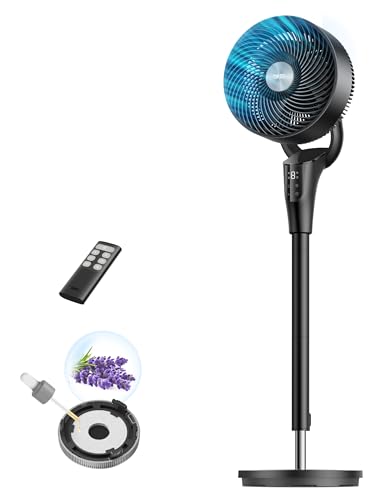
Pedestal Fan
A freestanding fan with an adjustable stand and oscillating head. It delivers broad air coverage and is easy to reposition between rooms. A solid choice for living rooms and bedrooms where flexible airflow is the priority.
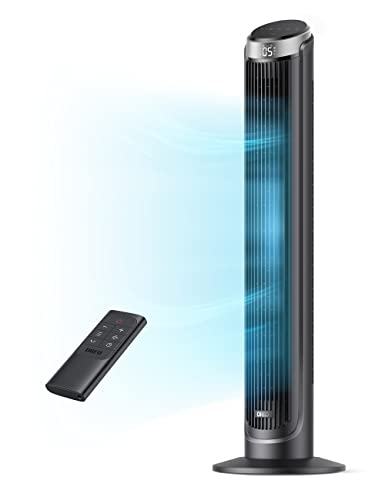
Tower Fan
A tall, slim fan that produces a wide, gentle airflow without taking up much floor space. Its narrow footprint suits apartments and tight corners. Models in the mid-range often add remote control and multiple speed settings.
Air Circulator
Designed to push air long distances with a focused, high-velocity stream. It is excellent for improving whole-room air exchange and pairing with an air conditioner to distribute cool air more evenly.
Misting Fan
Combines a powerful fan with a fine water mist. The mist accelerates evaporative cooling on the skin, making it noticeably more refreshing outdoors or in semi-open patios. Best reserved for well-ventilated areas.
Ceiling Fan
A permanent fixture that gently circulates air across the entire room. It is the most energy-efficient way to raise comfort in a room you already occupy and can reduce reliance on other cooling devices.
Evaporative Air Cooler
A portable unit that uses water-saturated pads and a fan to deliver cooler, humidified air. It is the most effective choice in dry climates and can be moved between rooms as needed. Regular pad cleaning keeps performance strong.
How Evaporative Air Coolers Actually Cool the Air
Evaporative cooling is a natural process. When water evaporates, it absorbs heat from its surroundings. An air cooler accelerates this process by spreading water across a large pad surface and pulling air through it with a fan. The result is air that is cooler and more humid than the air that entered the unit.
This technology is closely related to whole-home evaporative cooling systems, which some homeowners choose as a lower-energy alternative to compressor-based AC. If you are curious about that larger category, the overview of evaporative cooling systems is a useful next read. Portable air coolers apply the same principle in a compact, wheeled format that you can move from the living room to the bedroom.
The critical constraint is humidity. In dry air, evaporation is fast and the temperature drop is significant. In humid air, evaporation slows dramatically, and the unit may feel like little more than a fan. This is why climate, not just room size, should drive your decision.
Fan vs Air Cooler: Side-by-Side Comparison
| Feature | Standard Fan | Evaporative Air Cooler |
|---|---|---|
| Cooling mechanism | Moves air across skin to create a breeze | Evaporates water to lower air temperature |
| Best climate | Any climate, including humid regions | Dry, low-humidity climates |
| Humidity effect | No change to humidity | Increases indoor humidity |
| Maintenance needs | Occasional blade and grille cleaning | Regular water changes and pad replacement |
| Portability | Most models are easily moved | Portable units are common; water adds weight |
| Noise level | Generally quiet at low speeds | Fan noise plus water pump hum |
| Ideal for | Everyday air movement and ventilation | Targeted cooling in dry, ventilated rooms |
Sizing and Placement: Getting the Most From Your Cooling
Sizing for fans is more forgiving than sizing for air conditioners, but placement still matters a great deal. A fan aimed at a wall does very little, while a fan positioned to push air toward the occupants of a room can transform comfort in minutes.
- Measure the room. Note the floor area and ceiling height. Taller ceilings and open floor plans require more air movement to feel comfortable.
- Match the fan to the use. Small bedrooms pair well with 12 to 16 inch pedestal or table fans. Living rooms and open areas benefit from 16 to 20 inch pedestal fans, tower fans, or a high-velocity circulator.
- Position for airflow, not decoration. Place fans so they push air toward seating areas. Use oscillation to cover a wider zone without blasting one spot.
- Use cross-ventilation. Open a window on the opposite side of the room so hot air has an escape path. This is especially important for evaporative coolers, which need fresh dry air to keep working.
- Size the air cooler to the space. Manufacturer airflow ratings are usually stated in cubic feet per minute. As a rule of thumb, aim for higher airflow for larger or sun-exposed rooms, and keep the unit near an open window or door for exhaust.
Maintenance That Keeps Performance High
Clean fan blades monthly
Dust buildup on blades reduces airflow and can cause imbalance and noise. Wipe blades and grilles with a damp cloth during active cooling months.
Drain the cooler tank regularly
Stagnant water encourages mold and odors. Empty and rinse the tank every few days of use, and never leave water sitting for long periods.
Replace cooling pads each season
Mineral buildup and scale reduce evaporation efficiency. Fresh pads restore cooling performance and keep the air clean.
Store units dry off-season
Before storing a fan or cooler for the winter, clean it thoroughly and let it dry completely to prevent rust and mildew.
Energy Efficiency and Long-Term Use
Fans and air coolers are among the most energy-efficient cooling options available. A ceiling fan or pedestal fan typically draws a fraction of the power used by a central air conditioner, and an evaporative cooler generally uses less energy than a compressor-based unit while delivering meaningful temperature reduction in the right conditions.
The smartest approach is layered cooling. Use a fan as your default comfort tool, bring in an air cooler for targeted relief during dry heat, and reserve the air conditioner for the hottest and most humid days. This combination keeps comfort high and long-term energy use low. If you are evaluating efficient compressor-based options as part of a broader plan, the guide to ENERGY STAR qualified air conditioners is a helpful reference.
For households exploring evaporative alternatives in more depth, including larger and rooftop formats, the overview of evaporative cooler alternatives puts portable coolers in context with whole-home systems. And if you simply want to understand how fans fit into a fuller cooling strategy, the comparison of fans that cool like AC is a practical follow-up.
Ready to Choose Your Cooling Solution?
Browse our curated selection of fans and evaporative air coolers below. Each option is chosen to represent a different tier and use case, so you can match the right unit to your room, climate, and daily routine.
See Recommended ModelsFrequently Asked Questions
What is the difference between a fan and an air cooler?
A fan only moves air to create a cooling breeze, while an air cooler uses evaporative technology to add moisture and lower the actual air temperature. Fans are simpler and use less energy, while air coolers provide stronger temperature reduction in dry climates.
Are air coolers effective in humid climates?
Air coolers work best in dry, low-humidity climates. In humid climates, evaporative cooling becomes less effective because the air already holds moisture and cannot absorb much more. In humid areas, a standard fan or a dehumidifier paired with an AC is often more effective.
How do I choose the right fan size for my room?
Match fan size to room dimensions. Small rooms work well with a 12 to 16 inch pedestal or table fan. Medium rooms benefit from 16 to 20 inch pedestal fans or tower fans. Large or open spaces need high-velocity air circulators or multiple fans for adequate coverage.
How often should I maintain my air cooler?
Drain and clean the water tank every few days during active use, replace cooling pads at least once per season, and clean the fan blades and grille monthly. Regular maintenance prevents mold, odors, and reduced cooling performance.
Can fans and air coolers replace an air conditioner?
In mild climates or dry regions, a well-chosen fan or air cooler can handle most cooling needs and use far less energy. In hot and humid conditions, they work best as supplementary cooling alongside an air conditioner rather than a full replacement.