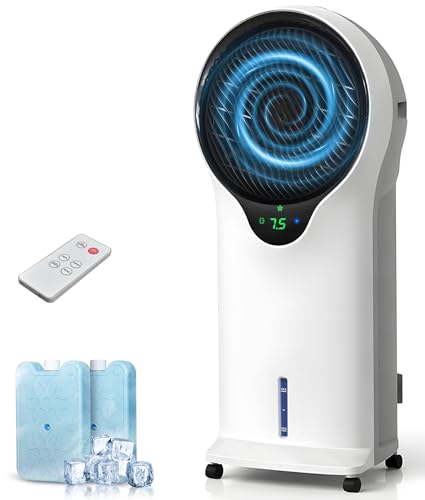
Evaporative Cooler Alternative: Smarter Cooling Options for Your Home
Evaporative coolers work well in dry climates, but they struggle in humidity and require constant maintenance. Discover the most reliable alternatives for consistent, comfortable cooling in any environment.
COMPARE OPTIONSWhy look beyond evaporative coolers? Evaporative coolers (also known as swamp coolers) add moisture to the air and rely on dry outdoor conditions to function. In humid climates, they become ineffective and can make rooms feel clammy. If you are tired of refilling water tanks, replacing pads, and dealing with inconsistent cooling, this guide covers the best evaporative cooler alternatives available today.
What Counts as an Evaporative Cooler Alternative?
An evaporative cooler alternative is any cooling system that does not rely on water evaporation to lower air temperature. These alternatives use refrigerant-based cycles, which means they work effectively in both dry and humid climates. The most common categories include ductless mini-split systems, window air conditioners, portable air conditioners, and central air conditioning. Each has distinct strengths and limitations depending on your room layout, climate, and installation preferences.
Unlike evaporative air coolers, these alternatives do not require a constant water supply. They also dehumidify the air, which is beneficial in regions with high moisture levels. If you have been researching swamp cooler replacements, the options below provide more predictable performance year-round.
Top Evaporative Cooler Alternatives Compared
The table below summarizes how each alternative performs across key criteria. Use it as a starting point before diving into the detailed breakdowns that follow.
| Alternative | Best For | Climate Suitability | Installation Effort | Market Tier |
|---|---|---|---|---|
| Ductless Mini-Split | Whole-room or multi-zone cooling | All climates | Professional installation | Premium to mid-range |
| Window Air Conditioner | Single rooms with a window | All climates | DIY-friendly | Entry-level to mid-range |
| Portable Air Conditioner | Renters and flexible spaces | All climates | Minimal setup | Entry-level to mid-range |
| Central Air Conditioning | Whole-home cooling with ductwork | All climates | Professional installation | Premium to luxury |
Detailed Breakdown of Each Alternative
Ductless Mini-Split System
Mini-splits are the closest alternative to central air without ductwork. They consist of an outdoor compressor and one or more indoor air handlers. Modern inverter-driven models deliver precise temperature control and operate quietly. If you want a high-efficiency mini-split, look for ENERGY STAR certification and variable-speed compressors. These systems are ideal for homeowners who want a permanent solution that works in any climate.
Best for: Homeowners who want a permanent, quiet, and efficient cooling solution with professional installation.
Window Air Conditioner
Window units remain the most straightforward alternative for single-room cooling. They install directly into a window frame and do not require water or pads. A modern ENERGY STAR window AC with Wi-Fi control offers scheduling and remote operation. For homes in colder regions, a window heat pump provides both cooling and heating in one unit.
Best for: Budget-conscious buyers and renters who need effective cooling for a single room without permanent modifications.
Portable Air Conditioner
Portable ACs are freestanding units that roll from room to room. They require a window kit for exhaust but no permanent installation. While portable units are less efficient than mini-splits or window ACs, they are the most flexible option for renters. If you need a freestanding air conditioner without a window, some models support venting through a sliding door or drop ceiling. For those comparing fans and air conditioners, portable ACs provide genuine refrigerant-based cooling rather than simple air movement.
Best for: Renters, temporary setups, and spaces where window installation is not possible.
Central Air Conditioning
Central AC is the most comprehensive alternative for whole-home cooling. It distributes conditioned air through ductwork and maintains uniform temperatures across multiple rooms. If your home already has ducts, central AC is the most seamless replacement for an evaporative cooler. For new installations, consider the estimated installation requirements and ensure your electrical panel can support the load. A qualified ENERGY STAR air conditioner will reduce long-term energy consumption.
Best for: Homeowners with existing ductwork who want whole-house comfort and are prepared for professional installation.
Why These Alternatives Outperform Evaporative Coolers
- Consistent performance in any humidity level: Refrigerant-based systems cool and dehumidify, unlike evaporative coolers that rely on dry air.
- No water refilling or pad replacement: Eliminates the routine maintenance that evaporative coolers demand, including evaporative cooler maintenance tasks like pad cleaning and water line checks.
- Better temperature control: Thermostatic control and inverter technology allow precise setpoint management.
- No added moisture: Prevents mold, mildew, and clammy indoor air, which are common complaints with evaporative cooling systems in humid climates.
- Longer lifespan with proper care: Modern AC units last 10–15 years with routine filter cleaning and annual inspections.
How to Choose the Right Alternative for Your Home
Selecting the best evaporative cooler alternative depends on three primary factors: your climate, your room layout, and whether you rent or own. In dry climates where evaporative coolers are common, a mini-split or central AC will still outperform a swamp cooler during monsoon season or unusually humid days. In humid climates, evaporative coolers are largely ineffective, making refrigerant-based systems the only reliable choice.
For single-room cooling, a window unit or portable AC is sufficient. For multi-room or whole-home comfort, a mini-split or central system is more appropriate. If you are replacing a rooftop evaporative cooler, a rooftop evaporative cooler replacement with a packaged AC unit or ducted mini-split may be the most seamless upgrade. Always verify the electrical requirements—some systems require a dedicated circuit, and EPA refrigerant handling regulations apply to installation and servicing.
Maintenance and Longevity Tips
Regardless of which alternative you choose, regular maintenance extends the life of your equipment and maintains efficiency. Clean or replace air filters every 1–3 months. For mini-splits, clean the indoor coil and check the condensate drain line annually. Window and portable units benefit from seasonal coil cleaning and filter washing. Central systems should be inspected by a licensed technician before each cooling season. If you are handy, you can perform basic air conditioner troubleshooting yourself, but refrigerant-related work should always be left to certified professionals.
Frequently Asked Questions
Can a mini-split fully replace an evaporative cooler?
Yes. A mini-split provides both cooling and dehumidification, works in any climate, and requires far less routine maintenance than an evaporative cooler. It is a permanent installation, so it is best suited for homeowners rather than renters.
Are portable air conditioners as effective as evaporative coolers?
Portable ACs are more effective in humid climates because they dehumidify the air rather than adding moisture. They are less efficient than window or mini-split units, but they offer the most flexibility for renters and temporary setups.
Do I need a window for a portable air conditioner?
Most portable ACs require a window or sliding door for exhaust. However, some models support venting through a drop ceiling or a wall sleeve. If you have no window access, look for freestanding units designed for windowless spaces.
Which alternative is the most energy-efficient?
Inverter-driven mini-splits and high-SEER central systems are generally the most efficient. Window and portable units vary widely in efficiency, so check for ENERGY STAR certification when comparing models.
Can I install a mini-split myself?
Mini-split installation requires refrigerant line brazing, vacuuming, and electrical work. While some DIY kits exist, professional installation is strongly recommended to ensure safety, warranty compliance, and optimal performance.
Ready to move beyond evaporative cooling? Browse our curated selection of reliable alternatives below.
VIEW RECOMMENDED UNITS