Fans That Cool Like AC: Your Complete Cooling Guide
Discover powerful air circulators, tower fans, and evaporative coolers that deliver near-AC comfort while consuming a fraction of the energy.
EXPLORE COOLING FANSWhy this guide matters: Not every room needs a full air conditioning system. Modern high-velocity fans and evaporative coolers can deliver remarkably refreshing airflow that feels like AC cooling — especially in dry climates and well-ventilated spaces. This guide helps you understand which fan technology actually cools like AC, so you can make an informed decision before you buy.
If you have ever wondered whether a fan can truly replicate the cooling sensation of an air conditioner, the short answer is: it depends on the technology. A standard pedestal fan merely moves warm air around. But a high-velocity air circulator, a tower fan with evaporative assistance, or a portable evaporative cooler can generate a genuinely cool airflow that mimics the comfort of conditioned air. Understanding the difference between these categories is the key to choosing the right product for your space.
For homeowners and renters alike, the appeal of "fans that cool like AC" lies in their simplicity: plug them in, place them near a window or in the center of a room, and enjoy immediate relief. They require no refrigerant lines, no outdoor condenser, and no professional installation. That makes them an excellent companion to your existing fans and air conditioners, or a standalone solution for milder seasons.
Types of Fans That Cool Like AC
Not all fans are created equal. The following categories represent the strongest contenders when you want fan-driven cooling that approximates the feel of an air conditioner.
Air Circulators
High-velocity focused airflow for whole-room cooling
Evaporative Coolers
Water-based cooling ideal for dry climates
Tower Fans
Sleek, oscillating airflow with wide coverage
1. High-Velocity Air Circulators
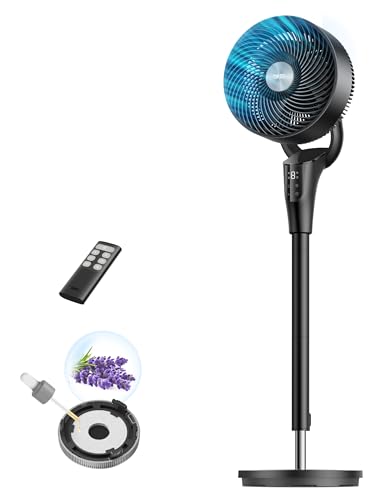
Air circulators are engineered to move large volumes of air across long distances. Their blades are shaped to create a tight, focused column of airflow — similar to how a ducted system distributes conditioned air. Placed in a corner or near a window, an air circulator can push cool evening air through an entire room, creating a wind-chill effect that makes the room feel several degrees cooler than the ambient temperature.
2. Evaporative Coolers (Swamp Coolers)
Evaporative coolers actively lower air temperature by drawing warm, dry air through water-saturated pads. The evaporation process absorbs heat, releasing cooler, moister air into the room. In low-humidity regions, this technology can drop the perceived temperature dramatically. If you are exploring this category, our guide to the evaporative cooler alternative and the evaporative cooling system explains how these units compare to compressor-driven cooling.
3. Tower Fans with Wide Oscillation
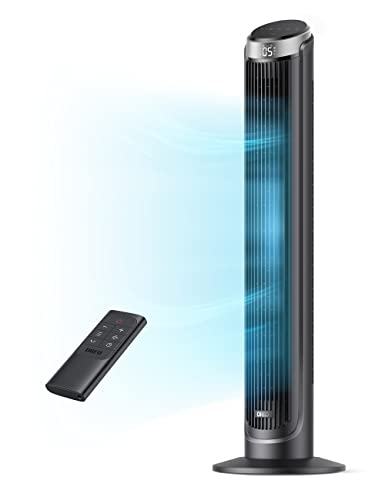
Tower fans use a vertical blade arrangement to generate a broad, gentle airflow. Premium models feature DC motors that operate quietly while delivering strong output. Some tower fans now integrate misting or evaporative cartridges, pushing them into near-AC territory. These are ideal for living rooms and bedrooms where aesthetics and quiet operation matter.
Fan vs. AC: How the Cooling Experience Compares
The table below summarizes how each fan category stacks up against a traditional air conditioner. Keep in mind that fans do not physically lower air temperature unless they use evaporation; instead, they create a cooling sensation through air movement.
| Cooling Method | Best For | Cooling Sensation | Energy Profile |
|---|---|---|---|
| Air Circulator | Whole-room air movement | Strong wind-chill, feels AC-like | Very low consumption |
| Evaporative Cooler | Dry climates, open spaces | Genuinely cooler air | Low to moderate |
| Tower Fan | Bedrooms, living rooms | Gentle, widespread breeze | Low consumption |
| Central AC | Whole-home cooling | Consistent cold air | High consumption |
| Window AC | Single rooms | Cold, dehumidified air | Moderate to high |
For readers weighing the merits of dedicated cooling appliances, exploring fans, heating, and cooling options side by side helps frame the decision. Likewise, the guide on fans and air coolers dives deeper into hybrid designs.
How to Choose a Fan That Cools Like AC
Choosing the right fan depends on your climate, room layout, and personal comfort preferences. Use the following criteria as a decision framework:
Climate and Humidity
Evaporative coolers shine in arid regions where humidity stays below 40%. In humid climates, evaporation slows dramatically, and these units may add unwanted moisture. Air circulators, by contrast, work in any climate because they rely on air movement rather than phase change. If you live in a humid area, prioritize a high-velocity circulator or a tower fan.
Room Size and Airflow Reach
Air circulators are rated by airflow reach — often expressed as "covers up to X square feet." A large room benefits from a circulator with a wide throw distance, while small bedrooms are well-served by compact tower fans. Pairing a circulator with your existing AC can also improve distribution, making the whole system more effective.
Noise Level
If the fan will run overnight, look for models with a sleep mode and a decibel rating suitable for bedrooms. Premium tower fans with DC motors are notably quieter than traditional AC fans, often hovering around 20–30 dB on low settings.
Smart Features
Many modern cooling fans include Wi-Fi control, programmable timers, and remote operation. These conveniences make it easy to schedule airflow before you arrive home. For related products, see the guide to the ENERGY STAR window air conditioner with remote and Wi-Fi control if you decide a hybrid approach suits your needs.
Maintenance Tips for Long-Lasting Cooling Performance
Even the most efficient fan loses performance when dust accumulates on blades and vents. Follow these habits to keep airflow strong:
- Wipe blades and grilles every two weeks during peak season.
- For evaporative coolers, replace or clean the cooling pads regularly — see our evaporative cooler maintenance guide.
- Check and clean intake vents to prevent restricted airflow.
- Store seasonal units in a dry, dust-free location during off-months.
Proper upkeep not only preserves cooling power but also extends the working life of your appliance, making it a long-term investment in home comfort.
Hybrid Strategies: Combining Fans with AC
One of the smartest ways to get AC-like cooling without running a compressor constantly is to pair fans with your existing air conditioning. A ceiling fan or air circulator lets you raise the thermostat setting by a few degrees while maintaining comfort. The airflow evaporates moisture from your skin, creating a cooling effect that complements the conditioned air.
For homes considering a more permanent upgrade, browsing ENERGY STAR qualified air conditioners or the ENERGY STAR most efficient air conditioner list can reveal units that pair well with fan-assisted circulation. If you are also considering ductless options, the ENERGY STAR mini-split overview is a useful next read.
Alternatively, a evaporative cooler air conditioner hybrid can be used as a first-stage cooler in dry seasons, with a traditional AC reserved for peak heat. This staged approach keeps indoor comfort consistent while leaning on the lower-energy appliance whenever possible.
Frequently Asked Questions
Can a fan really cool a room like an air conditioner?
A fan does not lower the actual air temperature, but a high-velocity air circulator combined with evaporative cooling can create a perceived temperature drop of several degrees. It feels like AC cooling in dry climates, but not in humid conditions.
What is the difference between a regular fan and an air circulator?
An air circulator uses a focused, high-velocity airflow to move air across the entire room, while a regular fan only cools the area directly in front of it. Air circulators are designed to mimic the air movement of a central AC system.
Do evaporative coolers work like air conditioners?
Evaporative coolers use water evaporation to lower air temperature and add moisture. They work best in dry climates and consume far less energy than compressor-based air conditioners.
Which type of fan is quietest for bedroom use?
Tower fans with DC motors are typically the quietest option, often operating around 20–30 dB on low settings. Air circulators can also be quiet on lower speeds, but their focused airflow may be more noticeable.
Can I use a cooling fan alongside my air conditioner?
Yes. Pairing a fan with your AC lets you raise the thermostat slightly while maintaining comfort, which reduces overall energy use. This is one of the most efficient cooling strategies available.
Still have questions? Visit our FAQ page for broader guidance on cooling products and energy efficiency.