Filters for Window Air Conditioners: The Complete Guide
Discover how the right filter transforms your window AC into a cleaner, more efficient cooling system. Compare filter types, learn maintenance routines, and choose the ideal option for your home.
EXPLORE FILTER TYPESWhy filters matter: The filter is the most overlooked component of a window air conditioner, yet it directly influences cooling performance, energy consumption, and the air quality inside your room. A clean, well-matched filter keeps airflow steady and protects the internal coils from dust buildup. Choosing the wrong one can choke the unit and shorten its service life.
Understanding Window AC Filters
A window air conditioner pulls indoor air through its front grille, passes it across the evaporator coil, and blows cooled air back into the room. The filter sits at that intake point and traps dust, pollen, pet dander, and other airborne particles before they reach the coil. Because window units recirculate the same room air, the filter is effectively the first line of defense for both the machine and the people breathing the output.
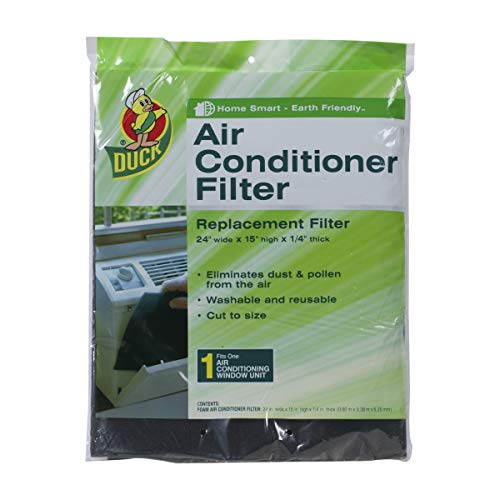
Most window ACs ship with a basic mesh filter that is washable and reusable. That stock filter performs adequately for general dust control, but many owners upgrade to specialized filters for allergies, odors, or finer particle capture. The key is to match the filter to the unit's airflow design rather than simply choosing the highest filtration rating available.
How Filtration Ratings Work
Filters are commonly described using the MERV scale, which rates how effectively a filter captures particles of different sizes. Window air conditioners are engineered for low-resistance airflow, so their compatible filters typically fall in the MERV 1 to MERV 4 range. Higher-MERV filters capture finer particles but also restrict airflow, which can strain the blower and reduce cooling output in a compact window unit.
If you want stronger filtration without sacrificing performance, look for filters explicitly designed for window ACs. These products balance particle capture with the airflow the unit needs. For broader guidance on efficient cooling equipment, see our overview of ENERGY STAR qualified air conditioners.
Types of Filters for Window Air Conditioners
There is no single best filter for every household. The right choice depends on your air quality concerns, maintenance habits, and the specific model of your window unit. The four categories below cover the most common options available today.
Washable Mesh Filters
The standard filter included with most window ACs. Made from durable synthetic mesh, it captures large dust particles and lint, and can be rinsed and reused many times. It is the most forgiving option for owners who prefer minimal upkeep.
Electrostatic Filters
These filters use charged fibers to attract and hold smaller particles such as smoke and fine dust. Many are washable, making them a practical mid-range upgrade for households that want better particle capture without frequent replacement.
Activated Carbon Filters
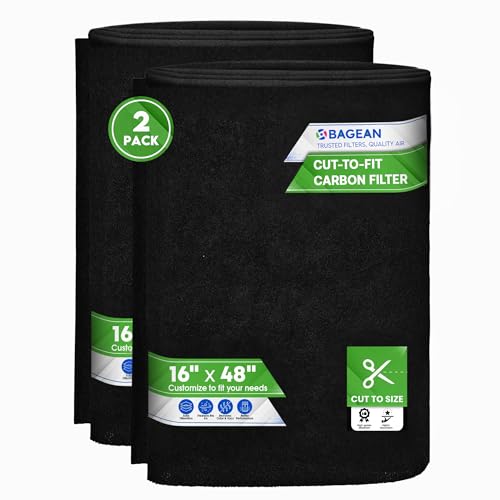
Carbon-infused filters absorb odors, cooking fumes, smoke, and volatile organic compounds. They are ideal for kitchens, pet areas, or rooms with persistent smells. Carbon media saturates over time, so periodic replacement is necessary to maintain effectiveness.
Allergen & HEPA-Style Filters
Designed for allergy sufferers, these filters target pollen, pet dander, and mold spores with dense media. They offer the strongest particle capture in the window AC category, but must be selected carefully to avoid airflow restriction in compact units.
Filter Comparison at a Glance
Use the table below to compare the main filter categories by purpose, maintenance needs, and ideal use case. The tier labels reflect relative market positioning rather than any specific figure.
| Filter Type | Tier | Best For | Maintenance | Airflow Impact |
|---|---|---|---|---|
| Washable Mesh | Essential tier | General dust control | Rinse every 2–4 weeks | Minimal |
| Electrostatic | Balanced tier | Fine dust and smoke | Wash monthly or replace quarterly | Low to moderate |
| Activated Carbon | High-end tier | Odors and fumes | Replace every 1–3 months | Low |
| Allergen / HEPA-Style | Top-tier | Allergy and asthma relief | Replace every 1–3 months | Moderate; verify compatibility |
| Combination (Carbon + Mesh) | Mid-range to premium | Dust plus odor control | Replace every 1–2 months | Low |
How to Choose the Right Filter
Selecting a filter is a balance between air quality goals and the mechanical limits of your window unit. Follow the considerations below to narrow your options before making a purchase.
1. Check Your Unit's Specifications
Every window AC has a recommended filter size and type listed in its manual. Some units accept only the factory mesh filter, while others support aftermarket inserts. Confirm the dimensions and slot design before buying anything. A filter that is too thick can block the intake and cause the evaporator coil to freeze.
2. Match the Filter to Your Air Quality Concerns
- Dust and lint only: a washable mesh or basic electrostatic filter is sufficient.
- Allergies or pets: choose an allergen-focused filter with dense media and confirm it is rated for window AC airflow.
- Cooking or smoke odors: an activated carbon filter or a combination carbon-mesh design works best.
- Mixed concerns: a combination filter addresses dust and odor simultaneously without adding too much resistance.
3. Respect the Airflow Limit
This is the most common mistake owners make. A dense, high-MERV filter that works well in a central HVAC system can starve a window AC of air. Reduced airflow leads to weaker cooling, higher energy use, and potential compressor strain. Always prioritize filters labeled for window air conditioners or those with a low pressure drop.
Filter Maintenance Routine
Consistent maintenance is what separates a well-performing window AC from a struggling one. The routine below takes only a few minutes and applies to nearly every filter type.
- Unplug the unit before touching the filter or front panel to eliminate any electrical risk.
- Remove the front grille according to your model's instructions, then slide the filter out of its slot.
- Inspect the filter against a light source. If you can no longer see light passing through, it is overdue for cleaning or replacement.
- Clean washable filters with lukewarm water and a mild detergent. Rinse thoroughly and let them air-dry completely before reinstalling. Never reinstall a damp filter.
- Replace disposable filters when they appear gray, matted, or visibly clogged. Most households need a new filter every one to three months during active cooling season.
- Wipe the intake area with a dry cloth to remove loose dust that can fall back into the unit.
- Reinstall the filter and grille, then restore power and test the airflow at the vent.
If your unit also struggles with cooling performance beyond filter issues, our troubleshooting reference on fixing an air conditioner covers common causes and solutions. Homeowners planning a broader maintenance schedule may also benefit from understanding filters for window air conditioners in the context of seasonal upkeep.
Signs Your Filter Needs Attention
Window AC filters degrade gradually, so the decline in performance is often easy to miss. Watch for these indicators:
- Reduced airflow from the front vents even at the highest fan setting.
- Visible dust or lint on the filter surface or around the intake grille.
- The unit runs longer than usual to reach the set temperature.
- Musty or stale odors when the AC starts up.
- Frost forming on the evaporator coil behind the filter.
- Higher energy consumption compared with previous cooling seasons.
Addressing these signs early prevents small issues from becoming repair problems. For units that pair filtration with efficiency features, explore ENERGY STAR window air conditioners with Wi-Fi control to see how smart scheduling complements regular filter care.
When to Upgrade Your Window AC Filter
Upgrading a filter is a sensible long-term investment if your household has specific air quality needs. Consider an upgrade when:
- A household member has seasonal allergies or asthma.
- You have indoor pets that shed dander and hair.
- The room is near a kitchen, and cooking odors linger.
- You live in an area with elevated pollen or wildfire smoke seasons.
- Your current filter clogs quickly and requires frequent replacement.
If you are evaluating a new unit altogether, the most efficient window air conditioner options often include improved filter compartments that accept aftermarket inserts more easily. Similarly, models with remote and app controls—such as ENERGY STAR window air conditioners with remote and Wi-Fi control—can remind you when maintenance is due.
Frequently Asked Questions
How often should I clean or replace my window AC filter?
Can I use a higher-MERV filter in my window air conditioner?
Are washable filters better than disposable filters?
Do carbon filters help with odors in a window AC?
What happens if I run my window AC without a filter?
Can a clogged filter cause my window AC to freeze up?
Ready to Improve Your Window AC Performance?
Browse our curated selection of filters and compatible window air conditioners to find the right match for your home. Every recommendation is chosen for build quality, filtration performance, and long-term reliability.
VIEW RECOMMENDED OPTIONS