Furnace AC Condensate Pump: Complete Guide to Condensate Removal
Everything you need to know about condensate pumps for furnaces and air conditioners — how they work, how to choose the right model, installation basics, maintenance schedules, and troubleshooting tips to protect your HVAC system from water damage.
START LEARNINGWhy a Condensate Pump Matters: Your air conditioner and high-efficiency furnace produce gallons of water daily during operation. Without a properly working condensate pump, that water can back up, overflow drain pans, damage ceilings and floors, and even shut down your HVAC system. Understanding how this small but critical component works helps you prevent avoidable breakdowns and water damage.
What Is a Furnace AC Condensate Pump?
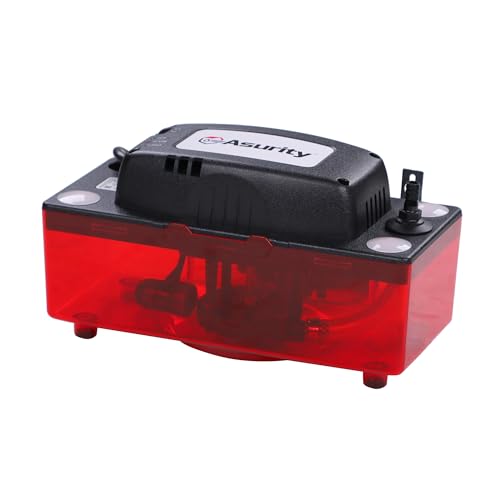
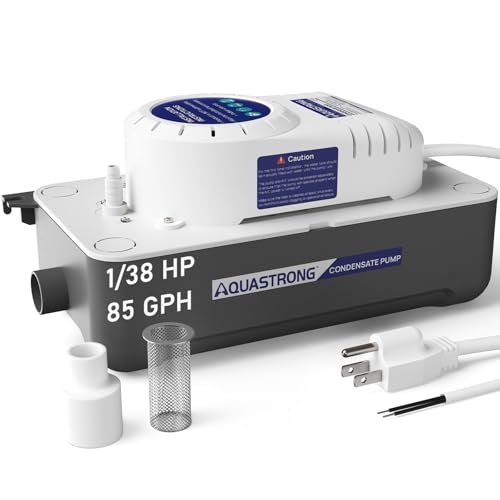
A furnace AC condensate pump is a small electric device that collects the condensate water produced by your air conditioning system or high-efficiency furnace and pumps it to a remote drain location. While gravity drains work well when the drain point is below the unit, many installations require the water to travel upward or across long distances — and that is exactly where a condensate pump becomes essential.
During cooling, the evaporator coil removes moisture from the indoor air. That moisture condenses into water and drips into a drain pan. In a high-efficiency furnace, condensation forms during the combustion process as well. A condensate pump sits at the lowest point of this drainage system, collecting water in a small reservoir. When the water level reaches a certain point, a float switch activates the pump motor, pushing the water through a discharge line to a floor drain, utility sink, or outside the home.
These pumps are especially common in basements, attics, and closets where no floor drain is nearby. They are also standard in modern high-efficiency furnaces that produce acidic condensate requiring neutralization before disposal. For a deeper understanding of how furnace and AC components work together, see our guide on forced air furnace with cooling unit.
How a Condensate Pump Works
The operation of a condensate pump is straightforward but relies on precise mechanical and electrical components working together:
1. Water Collection
Condensate from the evaporator coil or furnace flue drips into the pump's reservoir. The reservoir is typically made of durable plastic and holds a small volume of water before pumping begins.
2. Float Switch Activation
As the water level rises, a float switch — either mechanical or electronic — triggers the pump motor. When the water drops to a low level, the switch deactivates the motor, preventing dry running.
3. Pumping Action
A small impeller or diaphragm pump pushes water through a discharge line. The discharge line is usually made of flexible tubing or PVC and must be routed to a suitable drainage point.
4. Safety Overflow Switch
Most quality pumps include a secondary high-level safety switch that can shut off the HVAC system if the pump fails or the reservoir overflows, preventing water damage.
Understanding the condensate path is also important when diagnosing drainage problems. Our article on excessive water dripping from air conditioner drain pipe covers common causes and solutions for drainage issues that may involve the pump.
Types of Condensate Pumps and Quality Tiers
Condensate pumps come in several designs, each suited to different installation scenarios. Rather than focusing on numeric comparisons, it helps to understand the relative positioning of these products in the market:
| Type / Category | Tier Positioning | Best For | Key Characteristics |
|---|---|---|---|
| Standard Reservoir Pump | Entry-level to mid-range | Residential AC and furnace systems with moderate condensate output | Compact reservoir, mechanical float switch, basic discharge capacity |
| High-Capacity Pump | Mid-range to premium | Larger systems, long discharge runs, or multiple units draining into one pump | Larger tank, higher flow rate, more robust motor, quieter operation |
| Condensate Pump with Safety Switch | Premium to high-end tier | Attics, finished basements, and installations where overflow would cause damage | Integrated overflow safety switch, auxiliary contacts for HVAC shutdown, enhanced reliability |
| Industrial / Commercial-Grade Pump | Commercial-grade to professional-grade | Commercial HVAC systems, continuous-duty applications, large buildings | Heavy-duty construction, high-temperature tolerance, extended service life, advanced controls |
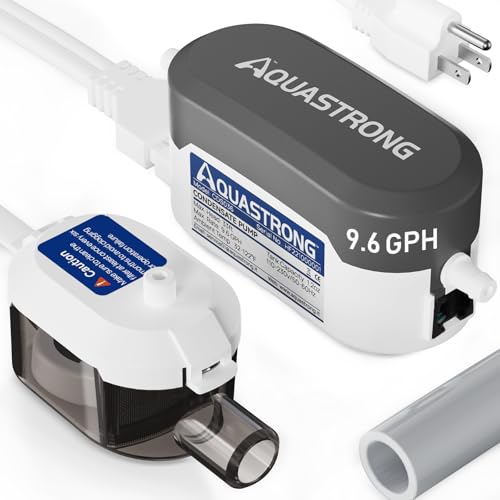
| Ductless Mini-Split Condensate Pump | Specialty / mid-tier | Ductless mini-split systems where gravity drainage is not possible | Compact design, low-profile, quiet operation, often tankless or small-reservoir design |
When choosing a pump, consider the total condensate output of your system, the vertical lift required, the length of the discharge run, and whether a safety switch is necessary for your installation. For homes with ductless systems, our guide on ductless mini-split AC explains how these systems manage condensate differently from central systems.
Installation Basics: What to Know Before You Install
Proper installation is critical for reliable condensate removal. While some homeowners may be comfortable with basic installation, HVAC professionals typically handle this task to ensure code compliance and proper drainage. Here are the key considerations:
- Mounting Location: The pump should sit level and as close as possible to the drain pan or furnace condensate outlet. It must be accessible for future maintenance and cleaning.
- Electrical Connection: Most condensate pumps plug into a standard 120V outlet. Ensure the outlet is GFCI-protected and located near the pump, or use a dedicated circuit as required by local codes.
- Discharge Line Routing: The discharge line must slope upward gradually and terminate at an approved drain. Avoid kinks, sharp bends, or loops that can trap water and cause airlocks.
- Check Valve: Many pumps include an integrated check valve to prevent water from flowing back into the reservoir after the pump stops. If not integrated, install one in the discharge line.
- Safety Switch Wiring: If your pump has a high-level safety switch, wire it to the HVAC control board so the system shuts down if the pump fails. This prevents overflow and water damage.
- Condensate Neutralizer (for high-efficiency furnaces): High-efficiency furnaces produce acidic condensate. A neutralizer may be required before the water enters the pump or drain. See our guide on forced air furnace with cooling unit for more on furnace condensate systems.
If you are planning a larger HVAC project, our resources on estimate to install central air conditioning and estimate HVAC replacement cost can help you understand the scope of professional installation work.
Maintenance: Keeping Your Condensate Pump Reliable
Regular maintenance extends the life of your condensate pump and prevents unexpected failures. Most manufacturers recommend servicing the pump at least once per season, or every six months. Here is a practical maintenance checklist:
- Clean the Reservoir: Turn off power to the pump, remove the reservoir cover, and clean out any sludge, biofilm, or debris. Use a mild detergent and rinse thoroughly.
- Check the Float Switch: Manually lift the float to confirm the pump activates. If the float is stuck or the switch does not respond, clean or replace it.
- Inspect the Discharge Line: Check for kinks, blockages, or algae growth. Flush the line with clean water to ensure it flows freely.
- Test the Safety Switch: If your pump has a high-level safety switch, test it by simulating a high water condition and confirming that the HVAC system shuts down.
- Check for Leaks: Inspect the pump housing, fittings, and discharge connections for leaks or cracks.
- Listen for Unusual Noises: Grinding or rattling sounds may indicate a failing motor or debris in the impeller.
If your system uses a condensate pump in combination with other drainage components, our article on excessive water dripping from air conditioner drain pipe provides additional troubleshooting guidance. For broader seasonal maintenance, see our seasonal AC checklist.
Troubleshooting Common Condensate Pump Problems
Pump Runs Constantly
The float switch may be stuck in the up position, or the pump may be undersized for the condensate volume. Check for a stuck float, a blocked discharge line, or a failing check valve that allows water to drain back into the reservoir.
Pump Does Not Run
Check the power supply, the float switch, and the motor. If the float moves freely but the pump does not activate, the motor or switch may need replacement.
Water Overflows from Reservoir
A clogged discharge line, a failed pump motor, or a stuck float are common causes. If the safety switch is wired correctly, it should shut down the HVAC system before overflow occurs.
Pump Is Noisy
Debris in the impeller, a failing motor bearing, or a loose mounting surface can cause noise. Clean the reservoir and check the mounting.
Discharge Line Freezes
In cold climates, a discharge line routed through an unconditioned space can freeze. Insulate the line or reroute it to a warmer location.
Safety Switch Trips Repeatedly
This indicates the pump is not keeping up with condensate production. Check for a clogged line, a failing pump, or an undersized pump for the system.
For more comprehensive HVAC troubleshooting, explore our guides on AC not cooling solution and AC leaking water solution.
Ready to Choose the Right Condensate Pump?
Browse our curated selection of condensate pumps below, selected for reliability, safety features, and compatibility with furnace and AC systems. Compare features and find the right model for your installation.
VIEW RECOMMENDED PUMPSRelated Guides on AC Units Guide
- Evaporator Coil: Function, Maintenance, and Replacement
- Condensate Pump Troubleshooting Guide
- Forced Air Furnace with Cooling Unit
- Seasonal AC Maintenance Checklist
- AC Leaking Water: Causes and Solutions
- Excessive Water Dripping from AC Drain Pipe
- Ductless Mini-Split AC Systems
- HVAC Replacement Cost Estimate Guide
Frequently Asked Questions
What does a furnace AC condensate pump do?
A furnace AC condensate pump collects the water produced by your air conditioner or high-efficiency furnace and pumps it to a drain location that may be far away or above the unit. It prevents water damage and keeps the condensate system flowing.
How do I know if my condensate pump is failing?
Common signs include standing water near the furnace or air handler, the pump running constantly, unusual noises, water backing up into the drain pan, or the HVAC system shutting down due to a safety float switch.
How often should a condensate pump be cleaned?
Most manufacturers recommend cleaning the condensate pump reservoir and checking the float switch at least once per season, or every six months. In dusty environments or high-humidity climates, more frequent cleaning may be needed.
Can I install a condensate pump myself?
Basic condensate pump replacement can be a DIY task for experienced homeowners, but installation involving electrical wiring, safety switch integration, or condensate neutralizers is best left to a licensed HVAC professional.
What size condensate pump do I need?
Pump sizing depends on the condensate output of your system, the vertical lift required, and the length of the discharge run. A professional HVAC technician can calculate the right capacity for your specific installation.