Forced Air Furnace with Cooling Unit: The Complete Guide
Understand how a combined forced air furnace and cooling system works, which components matter most, how to size it correctly, and how to choose the right configuration for year-round comfort in your home.
AC Units Guide Philosophy: A forced air furnace with a cooling unit is one of the most practical HVAC configurations for homes with existing ductwork. This guide helps you understand the system before you buy so you can ask the right questions, compare equipment fairly, and avoid costly sizing mistakes.
What Is a Forced Air Furnace with Cooling Unit?
A forced air furnace with cooling unit is a combined HVAC system that shares one distribution network of ducts to deliver both warm air in winter and cool air in summer. The furnace heats air and a blower fan pushes it through the ducts. In cooling mode, an evaporator coil installed above or inside the furnace air handler absorbs heat from the indoor air, while an outdoor condenser releases that heat outside. The same blower and ductwork serve both functions, making the system efficient in terms of space and installation.
This configuration is sometimes called a forced air heating and cooling system, a furnace and AC combo, or simply a forced air system. It is distinct from a forced air heating system that only heats, and from a forced air heater used as a standalone appliance. When paired with a heat pump instead of a separate air conditioner, it becomes a forced air furnace with cooling unit that can also provide efficient heating in milder climates.
Homeowners researching this topic are typically in the evaluation stage. They already know they want central comfort, but they need clarity on components, efficiency ratings, duct requirements, and how to compare quotes from contractors. This guide addresses those questions directly.
How a Forced Air Furnace and Cooling Unit Works Together
The system operates in two primary modes, controlled by a thermostat that switches between heating and cooling. Understanding the sequence helps you evaluate equipment and diagnose common issues later.
Heating mode: The thermostat calls for heat. The furnace ignites its burner (gas, oil, or electric resistance) and the heat exchanger warms up. The blower fan turns on and pushes warm air through the supply ducts into each room. Return air is drawn back through return ducts, filtered, and reheated.
Cooling mode: The thermostat calls for cool air. The outdoor condenser starts, circulating refrigerant to the indoor evaporator coil. The blower fan moves indoor air across the cold coil, where heat and moisture are removed. Cooled, dehumidified air travels through the same ducts. Warm return air cycles back to the coil.
Fan-only mode: The blower can run alone to circulate air or support ventilation. This is useful for balancing temperatures between floors.
Because heating and cooling share the blower and ducts, the duct system must be sized and sealed correctly. Leaky ducts waste energy in both seasons. If you are also considering ductless options, compare the trade-offs in our ductless versus ducted AC discussion.
Key Components of a Forced Air Furnace with Cooling Unit
Furnace (Heating Section)
The furnace contains the burner, heat exchanger, and blower. Gas furnaces are rated by AFUE (Annual Fuel Utilization Efficiency). Mid-range and premium models often use two-stage or modulating burners for steadier temperatures and quieter operation.
Evaporator Coil
Installed in the supply plenum or inside the air handler, the evaporator coil absorbs heat from indoor air during cooling. Coil matching with the outdoor unit is critical for rated efficiency and reliable performance.
Outdoor Condenser Unit
The exterior air conditioner unit rejects heat collected indoors. Modern units use inverter or two-stage compressors for better part-load efficiency and humidity control.
Ductwork
Supply and return ducts distribute conditioned air. Duct design, insulation, and sealing have a major impact on comfort and energy use. Flexible ducting is common, but rigid metal ductwork often performs better in accessible spaces.
Thermostat and Controls
A programmable or smart thermostat coordinates heating and cooling. Zoning controls can direct conditioned air to specific areas, improving comfort in multi-story homes.
Air Filter and Blower
The filter protects the coil and blower from dust. Variable-speed blowers improve dehumidification and run more quietly than single-speed blowers, especially in mid-tier and high-end systems.
Common System Configurations
There are several ways to pair a furnace with cooling equipment. The right choice depends on your climate, existing ductwork, and long-term efficiency goals.
Configuration
Best For
Notes
Gas furnace + central air conditioner
Cold winters and hot summers
The most common forced air combo in mixed climates. Look for matched furnace and coil ratings.
Electric furnace + central air conditioner
Regions with moderate heating loads
Lower upfront equipment complexity, but electric resistance heat can be less efficient in very cold climates.
Gas furnace + heat pump (dual fuel)
Mild-to-cold climates with variable seasons
The heat pump handles mild weather; the furnace takes over when temperatures drop. Requires a compatible thermostat.
If you are evaluating heat pump options, the ENERGY STAR mini-split heat pump page covers ductless alternatives. For ducted homes, pairing a furnace with a heat pump can be a strong long-term investment.
Efficiency Ratings That Matter
Efficiency ratings help you compare equipment fairly. For a combined system, you need to look at both heating and cooling metrics.
AFUE (heating): Annual Fuel Utilization Efficiency. Higher AFUE means more of the fuel becomes usable heat. Premium furnaces typically achieve the highest AFUE ratings.
SEER2 (cooling): Seasonal Energy Efficiency Ratio. The current standard for air conditioners. Higher SEER2 indicates better cooling efficiency. See our explanation of what a SEER rating means.
EER2 (cooling): Energy Efficiency Ratio at peak conditions. Useful for hot-climate performance comparisons.
HSPF2 (heat pump heating): Heating Seasonal Performance Factor for heat pump configurations. Higher is better for winter efficiency.
ENERGY STAR certified equipment meets stricter efficiency thresholds. Browse ENERGY STAR qualified air conditioners for reference points when comparing quotes.
How to Size a Forced Air Furnace with Cooling Unit
Sizing is not a guessing game based on square footage alone. A proper load calculation (often called Manual J) considers insulation levels, window area and orientation, air leakage, duct location, occupancy, and local climate data. Contractors should perform this calculation before recommending equipment.
An oversized system short-cycles: it cools or heats quickly but shuts off before removing humidity, which leaves rooms feeling clammy. An undersized system runs continuously and struggles on design days. Both scenarios increase wear and reduce comfort. If you want a rough starting point, review our BTU calculator by room size, but treat it as an estimate rather than a final specification.
Duct sizing must match the equipment airflow. A high-capacity furnace paired with undersized ducts will be noisy and inefficient. Ask your contractor to verify static pressure and airflow after installation.
Pros and Cons of a Combined Forced Air System
Advantages
One duct system serves both heating and cooling, simplifying installation in homes that already have ducts.
Central filtration improves indoor air quality when paired with a quality filter or air cleaner.
Fast temperature response compared with some radiant systems.
Wide equipment selection across entry-level, mid-range, and premium tiers.
Compatible with zoning for room-by-room control.
Considerations
Requires ductwork; homes without ducts face higher retrofit complexity.
Duct leakage can waste energy if the system is not sealed and insulated properly.
Blower noise is noticeable in some entry-level configurations.
Combined systems require coordinated maintenance for both heating and cooling components.
Retrofit projects may need electrical or venting upgrades.
Equipment Tiers: What to Expect
Equipment tiers describe market positioning and feature depth, not absolute quality. A well-installed mid-tier system often outperforms a poorly installed premium system. Use this table to frame contractor conversations.
Installation quality determines how well the system performs and how long it lasts. Key steps include:
Performing a room-by-room load calculation before equipment selection.
Inspecting and sealing ductwork, then verifying airflow and static pressure.
Matching the evaporator coil, outdoor unit, and furnace according to manufacturer specifications.
Ensuring proper refrigerant charge and combustion venting.
Commissioning the system with measurable performance checks, not just a visual inspection.
Routine maintenance includes filter replacement every 1–3 months, annual professional servicing of the furnace and cooling unit, coil cleaning, and duct inspection. Our AC maintenance guide covers seasonal checklists, and the first week after AC installation article explains what to monitor after a new install.
Buying Checklist for a Forced Air Furnace and Cooling Unit
Before You Sign a Contract
Confirm the contractor performed a load calculation, not a square-footage guess.
Ask for a matched system proposal: furnace model, coil model, and outdoor unit model.
Verify AFUE, SEER2, and EER2 ratings for the proposed equipment.
Request duct inspection results and a plan for sealing or repair.
Check warranty terms for labor and equipment, including registration deadlines.
Confirm electrical, venting, and permit requirements are included in the scope.
Ask for start-up measurements: static pressure, temperature rise, refrigerant charge, and airflow.
Compare at least two proposals from licensed contractors using equivalent equipment tiers.
Frequently Asked Questions
A forced air furnace with cooling unit is a combined HVAC system that uses one set of ducts to distribute both heated and cooled air. The furnace heats air in winter, while an evaporator coil and outdoor condenser cool and dehumidify air in summer. The same blower fan moves air through the ducts in both modes, making the system space-efficient and practical for homes with existing ductwork.
A forced air furnace typically lasts 15 to 20 years with regular maintenance, while the cooling unit usually lasts 10 to 15 years. Lifespan depends on usage intensity, installation quality, filter maintenance, and timely repairs. In combined systems, the cooling component often needs replacement before the furnace, which is why matched-system planning matters.
Yes. Modern systems with two-stage or modulating furnaces, variable-speed blowers, and high-SEER2 cooling units can be highly efficient. Look for ENERGY STAR certified equipment and verified duct sealing. Efficiency also depends on correct sizing and installation, so a load calculation and post-installation performance measurements are essential.
Proper sizing requires a professional load calculation based on your home's square footage, insulation, window area, climate zone, and ductwork condition. An oversized system short-cycles and dehumidifies poorly; an undersized system runs continuously on extreme days. Ask your contractor to share the load calculation results and verify airflow after installation.
In many cases, yes. Adding an evaporator coil and outdoor condenser to an existing furnace is common if the furnace blower and ductwork can handle the additional airflow and the electrical system supports the new equipment. A contractor must verify compatibility, coil space, and refrigerant line routing before recommending an add-on solution.
Ready to Explore Equipment Options?
Use the product recommendations below to compare forced air furnace and cooling unit configurations. Always confirm compatibility with a licensed HVAC contractor before purchase.
Recommended Forced Air Furnace with Cooling Unit Systems
⚠️ AFFILIATE DISCLOSURE: This website contains affiliate links. As an Amazon Associate, we earn from qualifying purchases. If you make a purchase through these links, we may receive a small commission at no additional cost to you.
Read our full affiliate policy.
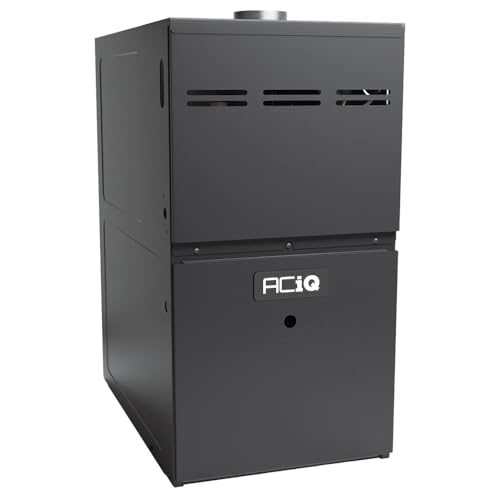
ACiQ 60000 BTU 80% AFUE Gas Furnace - 14" Upflow/Horizontal 1200 CFM | Single Stage Heating, 9-Speed ECM Blower, Central Forced Air Natural Gas Furnace, Efficient Home Heater, R32 Ready
⚠️ Note: The purchase links above are affiliate links. As an Amazon Associate, we earn from qualifying purchases at no additional cost to you.
ACiQ 40000 BTU 80% AFUE Gas Furnace - 14" Upflow/Horizontal 1200 CFM | Single Stage Heating, 9-Speed ECM Blower, Central Forced Air Natural Gas Furnace, Efficient Home Heater, R32 Ready
⚠️ Note: The purchase links above are affiliate links. As an Amazon Associate, we earn from qualifying purchases at no additional cost to you.
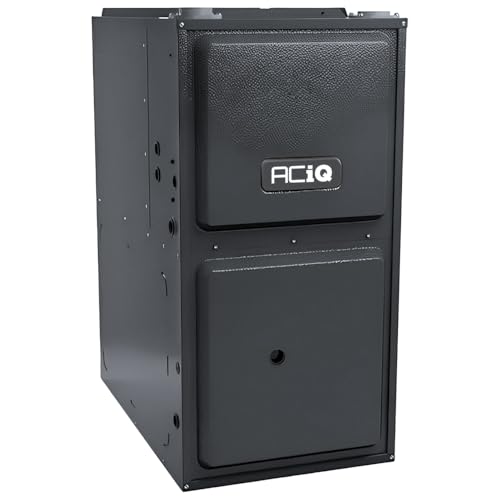
ACiQ 40000 BTU 92% AFUE Gas Furnace - 14" Upflow/Horizontal 1200 CFM | Single Stage Heating, 9-Speed ECM Blower, Central Forced Air Natural Gas Furnace, Efficient Home Heater, R32 Ready
⚠️ Note: The purchase links above are affiliate links. As an Amazon Associate, we earn from qualifying purchases at no additional cost to you.
ACiQ 60000 BTU 80% AFUE Gas Furnace - 14" Downflow/Horizontal 1200 CFM | Single Stage Heating, 9-Speed ECM Blower, Central Forced Air Natural Gas Furnace, Efficient Home Heater, R32 Ready
⚠️ Note: The purchase links above are affiliate links. As an Amazon Associate, we earn from qualifying purchases at no additional cost to you.
ACiQ 100000 BTU 80% AFUE Gas Furnace - 21" Upflow/Horizontal 2000 CFM | Single Stage Heating, 9-Speed ECM Blower, Central Forced Air Natural Gas Furnace, Efficient Home Heater, R32 Ready
⚠️ Note: The purchase links above are affiliate links. As an Amazon Associate, we earn from qualifying purchases at no additional cost to you.
ACiQ 60000 BTU 92% AFUE Gas Furnace - 17.5" Upflow/Horizontal 1200 CFM | Single Stage Heating, 9-Speed ECM Blower, Central Forced Air Natural Gas Furnace, Efficient Home Heater, R32 Ready
⚠️ Note: The purchase links above are affiliate links. As an Amazon Associate, we earn from qualifying purchases at no additional cost to you.
Disclaimer
Some of the content on this site uses AI assistance. Information is provided for educational purposes only. We are not responsible for any losses resulting from the use of this information. By using this site, you waive any right to bring legal claims against us arising from your use of the information provided. If you do not agree, please do not use this site.
Read the full disclaimer.
We uses cookies to provide you with a better browsing experience. By continuing to use our site, you consent to our cookie settings.
Learn more