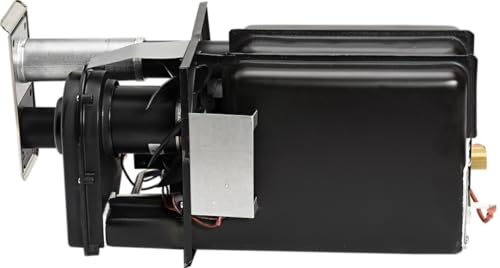
Furnace Sales Guide: How to Choose the Right Home Furnace
A practical guide to comparing gas, electric, and high-efficiency furnaces, understanding AFUE ratings, and picking the right system for your home.
Explore the GuideWhy the furnace decision deserves careful research: A furnace is one of the largest and longest-lived pieces of equipment in a home. It runs for a decade or more, and the choice you make now determines comfort, energy performance, and maintenance costs for the rest of that lifespan.
This guide walks through the categories that matter most: fuel type, staging, efficiency rating, sizing, duct compatibility, and venting requirements. It is written for homeowners who are actively evaluating replacements or considering their first upgrade, and who want to ask better questions before a technician stands in the basement with a proposal.
If the home also needs cooling, our heating and air conditioning units combined reference explains how furnaces pair with AC systems, and the high-efficiency furnace and air conditioner guide covers matched high-performance pairs.
Furnace Types and Fuel Options
Furnaces are differentiated first by fuel. Natural gas is the most common fuel in homes with an existing gas line, and it typically delivers strong heating output and long service life. Propane furnaces serve homes outside a natural gas service area and behave similarly in operation. Electric furnaces are simpler and often chosen where gas is unavailable, though they tend to have higher operating energy use. Oil furnaces remain in some regions where oil infrastructure is established.
Within each fuel type, the furnace is further classified by staging: single-stage, two-stage, or modulating. Single-stage units run at full output or off. Two-stage units offer a high and low fire option, which improves comfort and reduces temperature swings. Modulating furnaces vary output continuously across a broad range, delivering the most stable temperatures and the quietest operation but also occupying the highest tier of the market.
Natural Gas
The dominant residential fuel where gas infrastructure exists. Delivers strong heating output, and high-efficiency condensing models reach the highest AFUE tiers.
Propane
Serves homes beyond natural gas service. Similar operation to gas furnaces, with fuel supplied from an on-site tank refilled on a schedule.
Electric
Simpler equipment with no combustion venting, often chosen where gas is unavailable. Higher operating energy use than most gas configurations.
Single-Stage
Runs at full output or off. Simple, reliable, and entry-level in the market. Produces more noticeable temperature swings than staged designs.
Two-Stage
Two firing levels let the furnace run longer at lower output on mild days, improving comfort and quiet operation over single-stage designs.
Modulating
Continuous output variation matches the load precisely. Highest comfort tier, quietest operation, and often the most efficient in real-world use.
Understanding AFUE Ratings
AFUE stands for Annual Fuel Utilization Efficiency. It expresses the percentage of fuel energy that becomes usable heat over a typical heating season. A furnace rated at a higher AFUE converts a larger share of its fuel into heat, while a lower-rated unit sends more of that energy up the flue.
The practical divide in the residential market is between standard-efficiency and condensing furnaces. Standard-efficiency units typically sit at or near the federal minimum. Condensing furnaces recover additional heat from the exhaust gases and sit in the higher AFUE tiers. Condensing units require different venting and condensate management, which affects installation scope. Our high-efficiency heating and air conditioning guide covers the condensing design in more detail.
Higher AFUE generally translates to lower long-run energy use, but the decision is not purely about efficiency. Installation requirements, venting changes, and local climate all affect whether the higher-efficiency tier is a good match for a specific home. The ENERGY STAR HVAC reference explains the certification thresholds that separate higher-efficiency models in the market.
Staging Types Compared
The table below summarizes the main staging configurations by market positioning and typical use case. Tiers are relative descriptors, not absolute rankings, and vary by manufacturer and model year.
| Staging Type | Market Tier | Operation | Comfort Characteristic | Best For |
|---|---|---|---|---|
| Single-stage | Entry-level | Full output or off | Wider temperature swings | Straightforward replacements and simpler budgets |
| Two-stage | Mid-range | High and low fire | Steadier temperatures on mild days | Homes with variable heating loads |
| Modulating | Premium | Continuous variation | Most stable temperatures, quietest operation | Comfort-focused homes with zoned layouts |
Many homeowners choose a mid-range two-stage unit when the existing system is a single-stage design, because it improves comfort noticeably without requiring the full scope of a modulating install. Modulating designs become the natural pick when the home is already being upgraded for comfort and the budget supports the higher tier.
Sizing a Furnace for Your Home
An oversized furnace is one of the most common problems found in residential HVAC. It heats the home quickly and then shuts off, producing wide temperature swings, more wear on the heat exchanger, and sometimes short-cycling that reduces equipment life. Undersizing leaves the home cold on the coldest days and forces auxiliary systems to run more than they should.
- Start with a room-by-room load calculation. A professional sizing calculation accounts for climate, insulation, window area, ceiling height, and occupancy. The output is the required heating capacity for the home.
- Match the furnace to the load. Select a model whose rated output is closest to the calculated load, not the closest model that happens to be on hand.
- Verify duct compatibility. The furnace must be able to move its rated airflow through the home's duct system. Our ductwork design guide explains how duct sizing is evaluated.
- Confirm venting requirements. Standard-efficiency and condensing furnaces use different venting approaches. A condensing furnace requires a condensate drain and often a different flue arrangement.
- Check combustion air supply. In a tightly sealed utility space, adequate combustion air must be supplied. A contractor should verify this during design.
- Review electrical and gas supply. Confirm the furnace's electrical requirements and that the gas line is sized for the new equipment.
- Plan the thermostat and controls. A modern thermostat may be required to take advantage of two-stage or modulating operation. The electronic home thermostat reference explains the compatible options.
Furnace Buying Checklist
Before finalizing a model, run through the items below. Each one addresses a common source of post-installation frustration or surprise.
- Confirm the load calculation is included, not just square footage sizing.
- Compare AFUE ratings across the models being considered.
- Review the staging type and whether it matches the home's heating behavior.
- Verify the venting type required and whether the home can accommodate it.
- Check warranty terms for the heat exchanger and other major components separately.
- Confirm the installer will verify combustion and airflow after installation.
- Ask whether the price includes the old unit removal and disposal.
- Review the maintenance schedule and service agreement options.
If the home is also being evaluated for cooling, the furnace and air conditioning service reference explains how the two systems interact during service visits. For homes where a heat pump is being considered as an alternative or complement, the heat pump vs air conditioner comparison covers the key trade-offs.
Maintenance and Longevity
A furnace rewards consistent maintenance. The most important habits are straightforward: change or clean the filter on schedule, keep the area around the furnace clear, and schedule professional service annually. An annual service visit typically includes cleaning the burners, checking the heat exchanger for cracks, verifying combustion, and confirming that airflow is within spec.
A clogged filter forces the blower to work harder and reduces airflow across the heat exchanger, which can shorten equipment life and increase energy use. The filter reminder that appears on many modern thermostats exists for exactly this reason. Beyond the filter, the most common maintenance-related repairs involve the igniter, the flame sensor, and the blower motor. Our HVAC blower fan replacement reference covers what to expect if the blower begins to fail.
If a furnace stops producing heat, the diagnosis often begins with the ignition sequence. The furnace transformer replacement cost reference explains the transformer's role in that sequence, and fixing an air conditioner is a useful companion reference for how HVAC diagnostic thinking is structured generally.
Ready to Compare Furnace Options?
You now have the framework: confirm the load calculation, compare AFUE and staging, verify venting and duct compatibility, and evaluate the installer's commissioning process. The curated selection below highlights furnaces across entry-level, mid-range, and premium tiers to support the decision you have in mind.
View Recommended FurnacesFrequently Asked Questions
What AFUE rating should I look for in a new furnace?
AFUE measures how much of the fuel a furnace converts into usable heat. Entry-level units typically meet minimum standards, mid-range models improve efficiency, and premium condensing furnaces reach the highest AFUE tiers. Higher AFUE usually means better long-run efficiency but occupies a higher investment tier at installation.
How do I size a furnace for my home?
Sizing a furnace begins with a room-by-room load calculation that accounts for climate, insulation, window area, and occupancy. Choosing capacity by square footage alone is the most common cause of short cycling and uneven heating. The load calculation produces the required heating output, and the furnace is selected to match it.
Is a modulating furnace better than a single-stage furnace?
A modulating furnace varies its heat output continuously to match the load, which usually improves comfort and reduces temperature swings. A single-stage furnace runs at full output or off. Modulating and two-stage designs sit in higher tiers of the market and are generally chosen when comfort and quiet operation are priorities.
How long does a furnace typically last?
A well-maintained furnace commonly lasts between 15 and 20 years, though lifespan depends on usage, maintenance, and installation quality. Regular filter changes and annual service are the two habits that most extend the life of the equipment.
What should I compare when evaluating furnace quotes?
Compare the load calculation, model numbers, AFUE rating, staging type, warranty terms, labor coverage, and whether installation includes duct inspection, venting modifications, and a post-installation commissioning check. A complete scope comparison is more useful than a single total figure.
Should I consider a heat pump instead of a furnace?
In moderate climates, a heat pump can provide both heating and cooling from one system. In colder climates, a furnace may remain the primary heat source, with a heat pump as a supplement. The heat pump cooling and heating split system guide explains how those configurations are structured.