Heating and Cooling Air Conditioners Window Units
Everything you need to know before choosing a dual-function window unit that cools in summer and warms in cooler seasons — sizing, efficiency, installation, and the product categories worth comparing.
Who this guide is for: If you are researching before buying a window unit that can both cool and heat a room, this page walks you through how these units work, what specifications actually matter, and how to compare products by tier rather than guesswork. It is written for readers who already know roughly what they want and need a trustworthy final reference.
What Are Heating and Cooling Window Units?
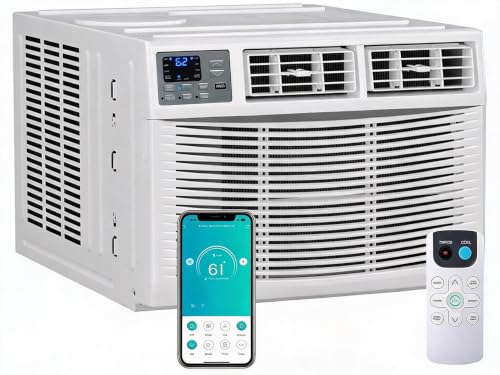
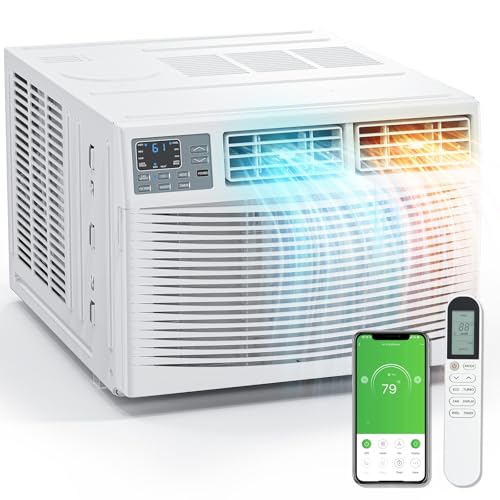
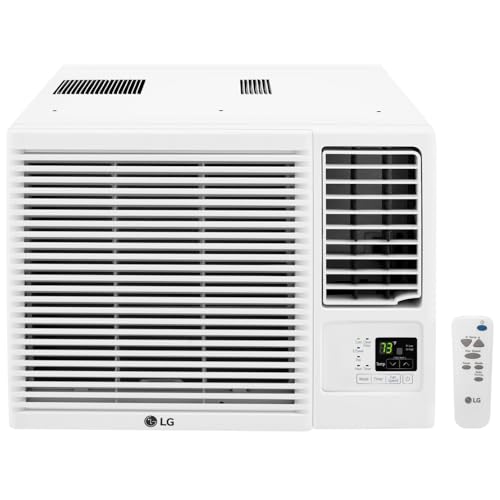
Heating and cooling air conditioners window units are dual-function appliances that mount in a window frame and provide both cooled air in warm months and warmed air in cooler months. Unlike a standard cooling-only window air conditioner, these models integrate a heating mechanism — usually a heat pump or an electric heating element — inside the same compact chassis.
This category sits at the intersection of portable convenience and whole-home performance. It suits renters, owners of older homes without ductwork, and anyone who needs a single appliance to manage temperature swings in a specific room. If you are still exploring broader options, our overview of heating and cooling options for small homes provides useful context on how window units compare with other room-level solutions.
Dual-function window units are especially relevant in regions with mild winters and hot summers, where a dedicated furnace is unnecessary but a little warmth is welcome during transitional seasons. They also appeal to households that want a backup comfort source without renovating ductwork.
How Dual-Function Window Units Work
The core of a heating and cooling window unit is the refrigeration cycle. In cooling mode, the unit absorbs heat from indoor air and releases it outdoors. In heating mode, the process reverses: the unit extracts heat from outdoor air and transfers it indoors.
Heat Pump Models
Heat pump window units use a reversing valve to switch between cooling and heating. They are more energy efficient in moderate climates because they move heat rather than generate it. Performance declines as outdoor temperatures drop, and many models include a supplemental electric heater for very cold days.
Electric Heating Element Models
Some units pair a standard cooling circuit with a resistive heating element. These are simpler in design and can deliver warmth in colder conditions, but heating operation draws more electricity compared to a heat pump in mild weather.
Control and Thermostat Behavior
Modern dual-function models include digital thermostats, timers, and remote controls. Some support programmable schedules or smart-home integration. For a deeper look at how thermostats interact with combined systems, see our guide to the heating and air conditioning thermostat.
Understanding the underlying mechanics helps you evaluate product claims. A unit advertised as a "window heat pump" will behave differently from one with a resistive heater, especially in efficiency and cold-weather performance.
Types of Window Units by Function
The market segments into a few clear functional categories. Knowing which category fits your room and climate prevents overbuying or underbuying.
Standard Window AC
Best for hot climates where heating is never needed. Simple, reliable, and widely available in many BTU ratings.
Cooling + Electric Heat
Adds a resistive heating element for cool-weather comfort. Works in colder conditions but heating is less efficient than a heat pump.
Cooling + Heat Pump
Reverses the refrigeration cycle for efficient heating in moderate climates. The preferred choice for year-round efficiency.
Smart Heat Pump Unit
Adds Wi-Fi control, scheduling, and energy monitoring. Useful for remote management and optimized run times.
For readers comparing window units specifically, our guide to heating and cooling window units expands on model families and selection criteria. If you are weighing window units against wall-mounted alternatives, the heating and air conditioning wall units overview explains the trade-offs in installation and performance.
Sizing and BTU Guidance
Correct sizing is the single most important decision for comfort and efficiency. An oversized unit cools too quickly and cycles frequently, leaving the room humid. An undersized unit runs continuously and struggles to reach the set temperature.
Cooling Capacity by Room Size
| Room Size (sq ft) | Cooling BTU Range | Best For |
|---|---|---|
| Up to 150 | 5,000 – 6,000 BTU | Bedrooms, small offices, studio corners |
| 150 – 250 | 8,000 – 10,000 BTU | Standard bedrooms, small living rooms |
| 250 – 400 | 12,000 – 14,000 BTU | Large bedrooms, open living areas |
| 400 – 550 | 18,000 – 24,000 BTU | Open-plan rooms, combined living spaces |
Heating Capacity Is Rated Separately
Heating output is not measured in the same way as cooling BTU. Heat pump units list a heating capacity that varies with outdoor temperature. Always check the unit's heating performance at the lowest expected outdoor temperature in your area. Electric heating elements are typically rated in watts or supplemental BTU.
Adjustments for Real Rooms
- Sun exposure: South- and west-facing rooms need more capacity.
- Ceiling height: Rooms above eight feet require a capacity bump.
- Occupancy: Kitchens and rooms with many people generate extra heat.
- Insulation: Poorly insulated rooms lose efficiency in both modes.
For a step-by-step method, our article on how to size an air conditioner walks through the calculation with worked examples. If you are comparing individual room solutions more broadly, heating and cooling units for individual rooms is a useful companion read.
Efficiency Ratings That Matter
Efficiency determines long-term energy use and is the most reliable way to compare products within the same tier. Three ratings appear on dual-function window units:
- CEER / EER: Measures cooling efficiency. Higher values indicate better cooling performance per unit of electricity.
- COP or HSPF-style ratings: Describe heating efficiency for heat pump models. Confirm whether the rating is at a specific outdoor temperature.
- ENERGY STAR certification: Indicates the unit meets recognized efficiency thresholds for its category.
Practical tip: A high-efficiency heat pump window unit typically uses less electricity across a full year than a standard cooling-only unit paired with a separate space heater. Compare models using efficiency ratings rather than headline capacity alone.
If you are evaluating broader high-efficiency options, our reference on high-efficiency window air conditioning units explains how certification tiers differ. For whole-system efficiency context, see high-efficiency air conditioner units.
Advantages and Limitations
✓ Advantages
- Single appliance for two seasons
- No ductwork required
- Installation in a window frame is straightforward
- Room-level control reduces whole-home energy use
- Heat pump models are efficient in moderate climates
- Portable between compatible windows
⚠ Limitations
- Heating performance drops in freezing temperatures
- Window space is occupied year-round
- Larger units require sturdy window frames and support brackets
- Noise levels vary significantly by model and tier
- Coverage limited to one room or adjacent open space
These trade-offs are well understood by HVAC professionals. If you are considering professional installation or want an assessment of your home's readiness, our directory-style guide to heating and air contractors in my area explains what to ask before scheduling a visit.
Installation and Placement Tips
Correct installation protects the unit, the window, and your comfort. Follow these guidelines before the unit arrives:
- Choose a suitable window: Double-hung windows are the most compatible. Measure the opening width and height against the unit's specifications.
- Check the electrical circuit: Confirm the outlet type and amperage. Larger dual-function models may require a dedicated circuit.
- Use a support bracket: Outdoor support brackets are recommended for heavier units and required by many manufacturers.
- Seal the perimeter: Use the included insulation panels and weather stripping to prevent air leaks in both modes.
- Maintain a slight outward tilt: A small downward slope toward the outdoors helps condensate drain properly.
- Avoid obstructions: Keep the outdoor section clear of shrubs, fences, and stored items.
Installation quality directly affects heating performance as well. Leaky seals let cold air in during heating mode and undermine efficiency. For a broader perspective on preparing a home for combined systems, see heating and air conditioning units combined.
Maintenance for Year-Round Use
A dual-function unit works harder than a cooling-only model because it operates across more of the year. A simple maintenance routine preserves efficiency and extends service life.
- Clean or replace the air filter monthly during heavy use. A clogged filter reduces airflow in both cooling and heating modes.
- Inspect the outdoor coil seasonally. Remove debris and rinse gently when the unit is off and unplugged.
- Check window seals before each season. Replace worn foam or weather stripping.
- Schedule a professional check before winter. A technician can verify the reversing valve, heating element, and refrigerant charge.
- Store the unit correctly if removed. Keep it upright and covered to protect internal components.
If you notice reduced cooling or heating output despite maintenance, our troubleshooting guide on home AC not cooling properly covers common causes and next steps. For broader seasonal service considerations, see heating and cooling service.
Product Tiers and What to Expect
Window units with heating and cooling are easier to compare when grouped by market tier rather than by individual brand names. The following tier framework describes typical feature sets so you can align expectations with your needs.
| Tier | Typical Features | Best For |
|---|---|---|
| Entry-level | Basic cooling and electric heat, mechanical or simple digital controls, single fan speed | Occasional use in small rooms, backup comfort |
| Mid-range | Heat pump function, multiple fan speeds, digital thermostat, remote control | Year-round use in bedrooms and living areas |
| High-end tier | Higher efficiency ratings, quieter operation, improved filtration, programmable scheduling | Primary room comfort with lower long-term energy use |
| Top-tier / smart | Wi-Fi control, energy monitoring, advanced humidity management, premium build | Smart-home integration and optimized operation |
As a general rule, mid-range and high-end tier models offer smoother heating transitions and more consistent temperature control than entry-level units. If you are comparing specific product families, the heating and cooling air conditioners window units guide provides additional context on feature trade-offs. For broader product research, see heating and air conditioning units for sale.
Ready to Compare Window Units?
Browse recommended heating and cooling window units and compare features side by side before you decide.
View Recommended UnitsFrequently Asked Questions
Can a window air conditioner also heat a room?
Yes. Dual-function window units include a heat pump or electric heating element that provides warmth during cooler months. Heat pump models reverse the refrigeration cycle, while electric models use a resistive element.
How do I size a heating and cooling window unit?
Measure the room's square footage and match it to the cooling BTU rating using a sizing chart. Heating capacity is rated separately, so check the unit's heating performance at the lowest expected outdoor temperature in your area.
Do heating and cooling window units need a special outlet?
Most residential window units run on standard 115V outlets. Larger dual-function models may require a dedicated 230V circuit. Always confirm the electrical rating before installation and consult a qualified electrician if needed.
Are window heat pumps efficient in cold weather?
Heat pump window units perform well in mild to moderate climates. In freezing temperatures, supplemental electric heat may activate, which is less efficient than a dedicated heating system. Check the unit's rated heating capacity at low outdoor temperatures.
Can I use a dual-function window unit as my only comfort source?
It can serve as a primary source for a single room in mild climates. For whole-home comfort or colder regions, a dedicated system is generally more appropriate. Our guide to heating and air conditioning units explains whole-home alternatives.
Final note: Choosing a heating and cooling window unit comes down to matching capacity to your room, selecting the right heating mechanism for your climate, and prioritizing efficiency for the tier you choose. Use this guide as your reference, compare products by category rather than by marketing claims, and you will be well prepared to make an informed purchase.