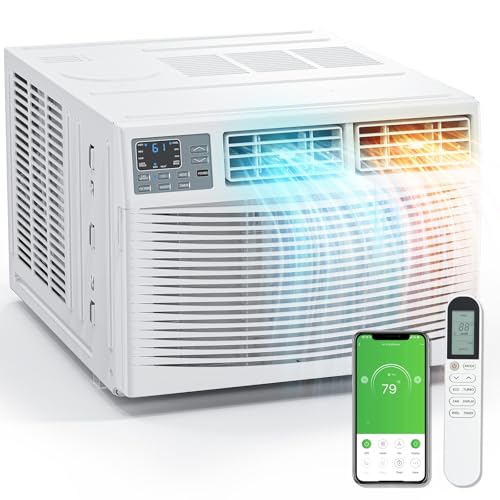
High Efficiency Window Air Conditioning Units
A complete research guide for buyers who already know they want a window unit but need to understand efficiency ratings, inverter compressors, BTU sizing, and the features that separate truly efficient models from ordinary ones.
Start With the Buying CriteriaWhy this guide exists: If you are reading this page, you have likely already decided that a window air conditioner is the right form factor for your room. The real question is which window unit will actually deliver low energy draw, stable cooling, and long-term reliability. This guide focuses entirely on that decision, so you can compare specifications with confidence before selecting a model.
What Makes a Window AC Truly High Efficiency?
Efficiency in a window air conditioner is not a single feature. It is the result of how the compressor, fan, coils, and controls work together. Two units with identical BTU capacity can consume very different amounts of electricity, and the difference shows up most clearly during long cooling seasons. A genuinely high efficiency window unit combines several of the characteristics below.
Inverter Compressor
Instead of switching fully on and off, an inverter compressor varies its speed to match the cooling demand. This smooths energy draw and keeps room temperature more stable.
High CEER or EER Rating
The combined energy efficiency ratio reflects real-world cooling efficiency. A higher rating means more cooling delivered per unit of electricity consumed.
ENERGY STAR Certification
Certified models must meet efficiency thresholds set above the federal minimum, making them a practical filter when comparing candidates.
Variable-Speed Fan
Multi-speed or variable-speed fans reduce wasted airflow and allow the unit to run longer at lower intensity, which improves dehumidification and comfort.
Improved Coil Design
Larger condenser and evaporator surface areas improve heat exchange, allowing the compressor to work less for the same cooling output.
Smart Controls and Scheduling
Programmable timers, eco modes, and app-based scheduling prevent unnecessary runtime, which directly reduces seasonal energy use.
If you want to understand how efficiency ratings are structured across the wider market, the guide on high efficiency air conditioner units explains the rating systems in more depth. For the window-specific context, the key takeaway is simple: prioritize inverter technology and a high CEER rating over cosmetic features.
BTU Sizing: The Efficiency Multiplier Most Buyers Overlook
An efficient unit installed at the wrong capacity becomes inefficient in practice. An oversized window air conditioner cools the room quickly and then short-cycles, which wastes energy, leaves humidity higher than ideal, and adds wear to the compressor. An undersized unit runs continuously and never reaches the set temperature. Matching capacity to room size is therefore the first efficiency decision you make.
| Room Size | Recommended BTU | Typical Use Case | Efficiency Note |
|---|---|---|---|
| Up to 150 sq ft | 5,000 – 6,000 BTU | Bedroom, small office | Entry-level capacity, look for inverter variants |
| 150 – 250 sq ft | 8,000 – 10,000 BTU | Living room, medium bedroom | Mid-tier efficiency sweet spot |
| 250 – 400 sq ft | 12,000 – 14,000 BTU | Large living area, open plan | High-end tier, verify CEER carefully |
| 400 – 550 sq ft | 15,000 – 18,000 BTU | Studio, large open room | Consider mini-split alternatives |
Adjust the baseline for real conditions. A room with direct afternoon sun, poor insulation, or a kitchen appliance load may need one step up in capacity. A shaded, well-insulated bedroom may perform well one step down. If you are unsure how to measure your room accurately, the sizing methodology in the heating and cooling window units reference covers measurement and adjustment factors.
Inverter vs Single-Speed Window Units
The compressor is the largest energy consumer in any air conditioner. How that compressor operates determines most of the efficiency difference between modern window units.
Single-Speed (On/Off) Compressors
A conventional window unit runs its compressor at full power until the room reaches the set temperature, then shuts off entirely. When the room warms again, the compressor restarts at full draw. This cycle creates temperature swings and repeated startup energy spikes. Entry-level and many mid-range window units still use this design.
Inverter Compressors
An inverter unit starts gently and then modulates compressor speed to hold the room at the target temperature. Because it rarely stops and starts, it avoids the energy spikes of on/off cycling and maintains a more consistent humidity level. Inverter window air conditioners sit in the high-end tier of the window category and are the strongest choice for buyers prioritizing efficiency.
- Temperature stability: inverter units hold within a narrow range instead of swinging several degrees.
- Humidity control: longer low-speed runtime removes more moisture from the air.
- Noise profile: the compressor runs at lower speeds more often, which reduces peak noise.
- Long-run efficiency: the advantage grows with the length of the cooling season.
If your climate involves months of continuous cooling, the inverter advantage compounds. In short cooling seasons, a well-rated single-speed ENERGY STAR unit can still be a reasonable choice. For a broader comparison of efficiency tiers across form factors, see the overview of high efficiency air conditioning systems.
Buying Criteria: How to Evaluate High Efficiency Window Units
Use the checklist below to compare candidates systematically. Each item maps to a specification you can verify in the product documentation before making a selection.
- Confirm the efficiency rating: check the CEER (combined energy efficiency ratio) value and compare it against other units in the same BTU class.
- Verify ENERGY STAR status: certification confirms the unit meets efficiency thresholds above the federal minimum.
- Identify the compressor type: confirm whether the unit uses an inverter or a single-speed compressor.
- Match BTU to room size: use the sizing table above and adjust for sun exposure and insulation.
- Check fan speed options: multi-speed or variable-speed fans improve comfort and reduce wasted airflow.
- Review the control features: programmable timers, eco mode, and app control help eliminate unnecessary runtime.
- Inspect the filter design: washable, easily accessible filters support consistent airflow and sustained efficiency.
- Confirm window compatibility: measure the window opening and verify the unit's minimum and maximum window width requirements.
- Check the electrical requirement: confirm the unit matches your outlet and circuit capacity; most window units run on 115V, larger capacities may require 230V.
- Review the warranty: a longer sealed-system warranty signals confidence in compressor and coil durability.
For installation considerations specific to window mounting, including security brackets and sealing, the reference on heating and cooling air conditioners window units covers the practical steps. Proper sealing alone can noticeably improve the effective efficiency of any window unit by preventing cooled air loss.
Efficiency Tiers in the Window AC Market
To compare models without relying on fluctuating market factors, it helps to classify window units by their efficiency positioning. The tiers below describe relative placement in the market, not absolute figures.
| Tier | Typical Characteristics | Best For |
|---|---|---|
| Entry-Level | Single-speed compressor, basic mechanical or digital controls, standard efficiency rating | Short cooling seasons, occasional-use rooms |
| Mid-Range | ENERGY STAR certified, multi-speed fan, programmable timer, improved coil design | Daily-use bedrooms and living rooms in moderate climates |
| High-End | Inverter compressor, highest CEER in class, variable-speed fan, smart controls, eco mode | Long cooling seasons, primary living spaces, efficiency-first buyers |
A mid-range ENERGY STAR unit is a solid choice for the tier when the cooling season is moderate. Buyers in hot climates who run the unit daily for months will see the clearest benefit from moving to the high-end tier with an inverter compressor. The same tiering logic applies across other configurations, as explained in the high efficiency air conditioner units overview.
Maintaining Efficiency After Installation
A high efficiency rating is only realized when the unit is maintained. The most common causes of declining window AC efficiency are preventable with routine care.
- Clean or replace the filter every two to four weeks during peak season. A clogged filter restricts airflow and forces the compressor to work harder.
- Clean the evaporator and condenser coils annually. Dust buildup on the coils directly reduces heat exchange efficiency.
- Check the window seal each season. Gaps around the unit let in hot air and undermine cooling performance.
- Keep the outdoor side of the unit clear. Obstructions reduce condenser airflow and raise energy draw.
- Inspect the drain path. Proper condensate drainage prevents moisture buildup and mold in the unit.
- Schedule a professional check if cooling performance drops. A refrigerant issue or failing component will erase the efficiency advantage of any unit.
If you notice the unit running but not producing cold air, the troubleshooting guidance in the window unit reference covers the common causes before you consider service. Timely maintenance keeps the unit operating near its rated efficiency for its full service life.
Frequently Asked Questions
What makes a window air conditioner high efficiency?
A high efficiency window unit combines a higher CEER or EER rating, an inverter compressor, ENERGY STAR certification, variable-speed fan operation, and improved coil design. These features work together to reduce energy waste during both startup and steady operation.
Is an inverter window AC more efficient than a standard window AC?
Yes. An inverter compressor modulates speed continuously instead of cycling fully on and off. This eliminates repeated startup energy spikes, maintains a more stable room temperature, and delivers better seasonal efficiency than a single-speed compressor of comparable capacity.
How do I choose the right BTU for a high efficiency window unit?
Match capacity to room size: roughly 5,000-6,000 BTU for up to 150 sq ft, 8,000-10,000 BTU for 150-250 sq ft, and 12,000-14,000 BTU for 250-400 sq ft. Oversizing reduces efficiency because the unit short-cycles and dehumidifies poorly.
Does a high efficiency window AC save energy in the long run?
Yes. Higher efficiency units consume less electricity for the same cooling output. Over multiple seasons, the reduced energy draw and smoother operation of inverter and ENERGY STAR models make them a worthwhile long-term investment compared to entry-level single-speed units.
Can a high efficiency window unit replace a central air system?
For a single room, a high efficiency window unit can cool effectively and efficiently. For a whole home, central or ductless systems remain more practical. The comparison in the heating and cooling units for individual rooms guide covers when room-by-room cooling makes sense versus a whole-home approach.
Final Research Summary
High efficiency window air conditioning units are defined by their compressor technology, efficiency rating, and how well their capacity matches the room. Before selecting a model, confirm the CEER rating, verify ENERGY STAR certification, and choose an inverter design if you expect long daily runtime. Size the unit accurately, seal the installation properly, and maintain the filter and coils on a routine schedule.
With those criteria in hand, you are ready to compare specific models using the recommendations below and select the unit that best fits your room and your efficiency priorities.
Recommended High Efficiency Window Air Conditioners
⚠️ AFFILIATE DISCLOSURE: This website contains affiliate links. As an Amazon Associate, we earn from qualifying purchases. If you make a purchase through these links, we may receive a small commission at no additional cost to you. Read our full affiliate policy.

Midea 8,000 BTU Smart Inverter Air Conditioner Window Unit with Heat and Dehumidifier – Cools up to 350 Sq. Ft., Energy Star Rated, Quiet Operation, Electronic Controls, Remote Control, White
Check price on Amazon
Midea 6,000 BTU Window Air Conditioner, Electronic Control, 250 Sq Ft, New | 3-In-1 Cool/Fan/Dehumidifier Modes, Easy-To-Use Controls, Remote Control, And Cooling For Bedrooms, Studies and Home Offices
Check price on Amazon
Frigidaire 5,000 BTU Window-Mounted Air Conditioner, Cools Up to 150 Sq. Ft., Quiet Operation, Effortless Temperature Control, 2 Fan Speeds, Auto Restart, White
Check price on Amazon
Midea 6,000 BTU U Shaped Window Air Conditioner, Cools up to 250 Sq Ft | Ultra Quiet U-Shaped Design, Inverter Control, Open Window Flexibility, Alexa/Google Assistant, 37% Energy Savings, 2026 New
Check price on Amazon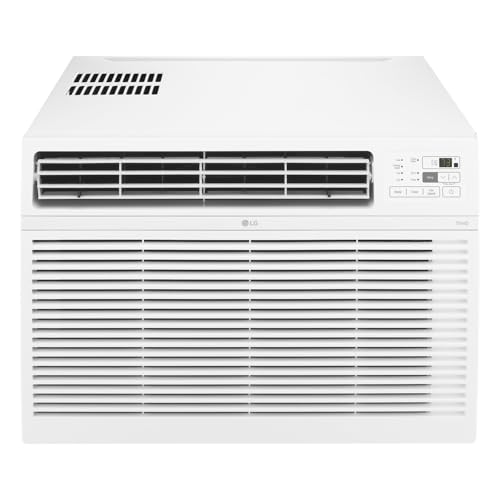
LG 24,500 BTU Smart Window Air Conditioner, 230/208V, Cools Room up to 1560 Sq. Ft. for Bedrooms, Living Room, Apartments, with Remote, 3 Fan Speeds, 24-Hour Timer, White
Check price on Amazon
Midea Duo 14,000 BTU Portable Air Conditioner with Heat, Inverter Quiet | 12,000 BTU SACC High Efficiency Inverter Portable AC, with Heat up to 550 Sq.Ft. Smart/Remote Control, Alexa/Google Assistant
Check price on Amazon