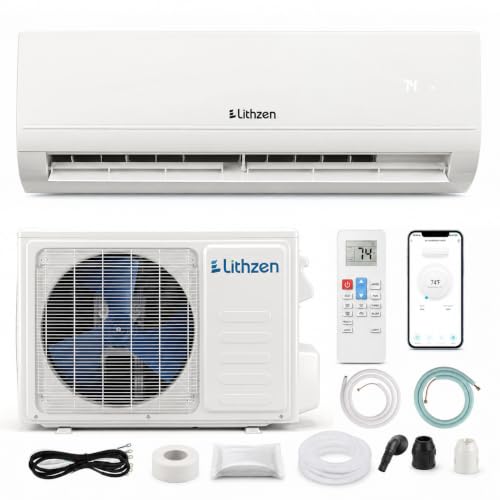
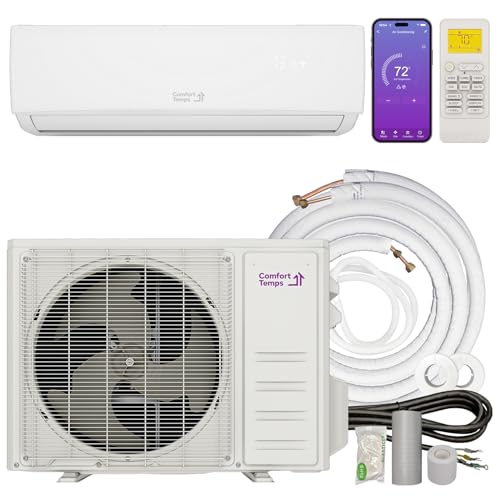
Highest Rated Heating and Air Conditioning Systems
An in-depth research guide to the heating and cooling systems that consistently earn top marks for efficiency, reliability, and year-round comfort. Understand what separates top-tier equipment from the rest before you decide.
Explore the ComparisonWhat Makes a Heating and AC System Highly Rated?
Online ratings and professional reviews rarely agree by accident. The systems that rise to the top of the category share a recognizable set of strengths. Before comparing specific product tiers, it helps to understand the criteria that separate a genuinely top-rated system from one that simply markets itself well.
Efficiency Ratings
High SEER2 for cooling and strong HSPF2 for heating indicate lower energy use across seasons. Top-rated systems typically sit well above the minimum federal standards.
Compressor Technology
Variable-speed and two-stage compressors deliver steadier temperatures, quieter operation, and better humidity control than basic single-stage designs.
Build Quality
Durable construction, corrosion-resistant coils, and reinforced cabinets extend service life and reduce repair frequency in demanding climates.
Warranty Depth
Top-tier manufacturers often back compressors and parts with longer coverage, signaling confidence in long-term reliability.
Quiet Operation
Sound ratings below the category average matter in residential settings, especially for outdoor units placed near living spaces.
Smart Integration
Compatibility with programmable and learning thermostats improves efficiency and convenience, a common feature among highly rated systems.
It is worth noting that system performance depends heavily on correct sizing and professional installation. A premium system installed poorly will underperform an entry-level system installed correctly. If you are still evaluating system categories, our overview of the different types of air conditioning systems is a useful starting point. For homes prioritizing long-term energy performance, exploring energy-efficient HVAC systems will help you frame the comparison.
Heating and Cooling System Types at a Glance
Heating and air conditioning systems are not a single product category. The "highest rated" system for one home may be the wrong fit for another. The table below compares the main configurations by how they perform, not by what they cost.
| System Type | Best For | Heating Performance | Cooling Performance | Typical Market Position |
|---|---|---|---|---|
| Central AC + Furnace | Homes with existing ductwork in mixed climates | Strong (gas or electric furnace) | Strong, whole-home coverage | Mid-tier to high-end |
| Heat Pump System | Year-round heating and cooling in moderate climates | Efficient, strong in mild winters | Efficient, excellent humidity control | High-end tier |
| Dual-Fuel System | Cold climates needing heat pump efficiency plus furnace backup | Excellent in extreme cold | Excellent | Flagship tier |
| Ductless Mini-Split | Homes without ducts or room-by-room zoning | Strong per-zone heating | Strong per-zone cooling | High-end tier |
| Packaged Rooftop Unit | Commercial buildings and properties with limited indoor space | Good to strong (varies by model) | Good to strong (varies by model) | Commercial-grade |
Ductless systems deserve special attention in this comparison. For homes that cannot accommodate ductwork, a single-zone mini-split for multiple rooms can deliver performance comparable to central systems while offering room-level control. Those seeking the upper limit of efficiency should review the highest efficiency mini-split options available.
How Top Systems Are Positioned in the Market
The heating and cooling market is organized into recognizable tiers. Understanding these tiers helps you align your expectations with what each class of equipment actually delivers. The descriptions below use universal market-position descriptors rather than any specific figures.
| Market Tier | Typical Characteristics | Best For | Efficiency Range | Warranty Depth |
|---|---|---|---|---|
| Entry-Level | Single-stage compressor, standard build, basic controls | Straightforward replacements in mild climates | Meets federal minimum standards | Standard parts coverage |
| Mid-Range | Two-stage or basic variable-speed, improved insulation, better sound control | Most homes seeking balanced efficiency and comfort | Above federal minimums | Extended parts coverage |
| High-End Tier | Full variable-speed compressor, premium materials, smart thermostat compatibility | Homeowners prioritizing efficiency and quiet operation | Well above federal minimums | Longer compressor and parts coverage |
| Flagship Tier | Advanced inverter technology, premium materials, top-tier efficiency and sound ratings | High-performance homes, premium installations, long-term investment | Among the highest in the category | Most comprehensive coverage |
Evaluation Checklist for Highly Rated Systems
When you compare candidate systems, use the following checklist to keep your evaluation structured. Each item reflects a factor that influences long-term satisfaction.
- SEER2 rating: Confirms cooling efficiency. Higher ratings indicate lower energy use over the cooling season.
- HSPF2 rating: Confirms heating efficiency for heat pumps. Relevant if the system will handle winter heating.
- Compressor type: Single-stage, two-stage, or variable-speed. Variable-speed designs provide the steadiest temperatures.
- Sound rating: Measured in decibels. Lower ratings are preferable near bedrooms or shared walls.
- Refrigerant type: Ensure compatibility with current regulatory standards and available service support in your region.
- Warranty terms: Review both parts and compressor coverage, plus any conditions tied to professional installation.
- Smart thermostat compatibility: A smart AC thermostat can improve scheduling and efficiency in most installations.
- Installer qualifications: Verify licensing and experience. Qualified professionals are essential for warranty validity.
Common Research Pitfalls to Avoid
Buyers researching top-rated systems often fall into predictable traps. Being aware of them will sharpen your comparison.
- Chasing the highest efficiency number in isolation. Efficiency must be matched to your climate, home envelope, and ductwork. Over-specifying efficiency while ignoring insulation or air sealing yields limited returns.
- Ignoring sizing. An oversized system short-cycles, leaving humidity high and comfort uneven. An undersized system runs continuously and struggles during peak conditions.
- Overlooking installation quality. The best equipment cannot compensate for poor installation practices. Verify contractor credentials and ask about load calculation methodology.
- Skipping the ductwork assessment. Leaky or undersized ducts waste efficiency regardless of equipment tier. Consider air duct sealing as part of a system upgrade.
- Comparing heating performance in warm climates. If winter heating is secondary, prioritize cooling efficiency and dehumidification rather than heating ratings.
Protecting the Performance of a Top-Rated System
A highly rated system retains its performance only if it is maintained consistently. The core maintenance tasks are straightforward and apply across all equipment tiers.
- Filter replacement: Follow the manufacturer's interval guidance. Restricted airflow reduces efficiency and strains the compressor.
- Coil cleaning: Dust and debris on coils reduce heat transfer. Learn how to clean the coils of an air conditioner as part of a seasonal routine.
- Annual professional service: A technician should verify refrigerant levels, electrical connections, and component operation each year.
- Outdoor unit clearance: Keep foliage and debris clear of the outdoor condenser to maintain airflow.
- Thermostat discipline: Avoid frequent large temperature swings. Steady scheduling suits variable-speed systems especially well.
When a system underperforms, the cause is often maintenance-related rather than equipment failure. If you notice symptoms such as inadequate cooling, reviewing common indicators can help: home AC fan blowing but no cold air and my AC is not cooling my house both cover diagnostic starting points before you call a professional.
Installation Quality and Contractor Selection
The single most impactful variable after equipment selection is installation. A properly installed mid-range system will consistently outperform a flagship system installed with shortcuts. When selecting a contractor, verify licensing, request references, and confirm that a load calculation will be performed before equipment is specified.
If you are comparing providers, resources on heating and cooling contractors and heating and cooling services in my area can help you evaluate local options. For larger retrofit projects, HVAC ductwork installation quality should be assessed alongside equipment selection.
Repair or Replace: Evaluating an Aging System
Many visitors arrive at this page while deciding whether to invest in a new top-rated system or continue repairing an existing unit. The decision hinges on age, repair frequency, efficiency gaps, and refrigerant availability.
- Age: Systems approaching or exceeding their expected service life rarely justify repeated major repairs.
- Repair frequency: Multiple repairs within a short period often signal declining reliability.
- Efficiency gap: Older equipment may operate far below current efficiency standards, making replacement an efficiency investment.
- Refrigerant compatibility: Regulatory transitions can make servicing older systems increasingly difficult over time.
- Comfort issues: Persistent uneven temperatures or humidity problems may indicate that the system is improperly sized or beyond economical repair.
For a structured assessment of common failure points, our guide on central air repair outlines what technicians typically inspect and helps you frame a repair-versus-replace conversation.
Frequently Asked Questions
What makes a heating and air conditioning system highly rated?
A highly rated HVAC system combines high SEER2 and HSPF2 efficiency ratings, durable construction, quiet operation, reliable compressor technology, strong warranty coverage, and consistent performance across seasons. Customer satisfaction and professional installation quality also heavily influence real-world ratings.
Which HVAC system type is best for year-round comfort?
A heat pump system is often the best choice for year-round comfort because it provides both heating and cooling in one unit. In colder climates, a dual-fuel system pairing a heat pump with a gas furnace offers strong performance during extreme temperatures.
How important is SEER2 rating when comparing systems?
SEER2 is the current efficiency standard for cooling performance. Higher SEER2 ratings indicate greater energy efficiency, which reduces long-term energy use. However, efficiency should be balanced with proper sizing, ductwork quality, and installation standards for the best results.
Do premium HVAC systems require more maintenance?
Premium systems generally require the same routine maintenance as entry-level systems, including filter changes, coil cleaning, and annual professional tune-ups. Their advanced components may benefit more from consistent servicing to preserve efficiency and warranty coverage.
How do I verify a system's efficiency claims?
Efficiency ratings are published in manufacturer specifications and reflected in ENERGY STAR certification where applicable. Reviewing ENERGY STAR AC listings is a practical way to confirm that a system meets recognized efficiency thresholds.