Home Whole House Humidifier: Complete Guide to Balanced Indoor Air
Discover how whole house humidifiers work with your HVAC system to combat dry air, protect your home, and improve comfort. Learn about bypass, fan-powered, and steam humidifier types, sizing, installation, and the best systems for your needs.
START THE GUIDEDry indoor air is more than an annoyance. During heating season, relative humidity inside a typical home can drop well below the comfort range, causing static shocks, dry skin, irritated sinuses, cracked wood flooring, and persistent static cling. A home whole house humidifier solves this problem at the source by adding moisture to the air as it travels through your forced-air ductwork, delivering balanced humidity to every room from a single integrated unit.
If you already invest in heating and cooling comfort, adding humidity control is the natural next step. Many homeowners pair a whole-home humidifier with their heating and air conditioning system to keep indoor air balanced year-round. Others discover the need after moving into a home with a forced-air setup and noticing dry air every winter. This guide walks you through the technology, the sizing rules, and the practical decisions so you can choose the right system with confidence.
What Is a Whole House Humidifier?
A whole house humidifier is a central humidity-control device installed on your furnace, air handler, or ductwork. Instead of filling one room with a portable unit, it injects moisture into the airstream that your HVAC blower distributes throughout the home. The result is consistent relative humidity in every room rather than the room-by-room swings you get from standalone humidifiers.
Because it works alongside your heating and cooling system, a whole-home humidifier is often described as part of a complete heating, cooling, and ventilation system. It relies on the same ducts and blower that already deliver conditioned air, which is why installation is clean and unobtrusive. Many units are controlled by a humidistat, often integrated with your thermostat, so humidity is managed automatically instead of manually.
How It Fits Into Your HVAC System
In a typical forced-air home, the humidifier is mounted on the supply or return plenum. Water flows to the unit, and the moving air absorbs moisture before it reaches your living spaces. Drain lines carry away excess water, and a humidistat monitors indoor humidity and cycles the unit accordingly. This integration is why whole-house humidity control is so efficient compared to portable alternatives that need constant refilling.
Why Indoor Humidity Balance Matters
Indoor relative humidity in the 30%–50% range is widely considered healthy and comfortable. When humidity falls below that band, several problems appear at once:
- Health and comfort: Dry air dries out nasal passages and skin, can worsen allergy and asthma symptoms, and makes rooms feel colder than they are.
- Home protection: Wood floors, furniture, cabinetry, and musical instruments can crack or warp when humidity swings too low.
- Energy perception: Proper humidity makes a room feel warmer at the same thermostat setting, which can reduce the urge to overheat the home.
- Static electricity: Low humidity is the main cause of winter static shocks and cling.
Adding a humidifier is often discussed alongside other air-quality upgrades such as duct cleaning and filtration, because moisture balance and clean airflow together create a healthier indoor environment.
Types of Whole House Humidifiers
There are three main technologies used in residential whole-home humidifiers. Each has distinct strengths, maintenance needs, and installation requirements. The table below gives a quick comparison using neutral tier descriptors instead of numeric figures.
| Type | How It Works | Best For | Tier Positioning |
|---|---|---|---|
| Bypass Humidifier | Uses furnace airflow to push air through a water-soaked pad; requires a bypass duct | Standard forced-air homes with moderate humidity needs | Entry-Level to Mid-Range |
| Fan-Powered Humidifier | Built-in fan pulls air through the pad, independent of furnace blower speed | Homes needing more consistent output without a bypass duct | Mid-Range |
| Steam Humidifier | Boils water to create steam injected directly into ductwork | Large homes, tight construction, or high-capacity humidity demands | Premium to High-End Tier |
Bypass Humidifiers
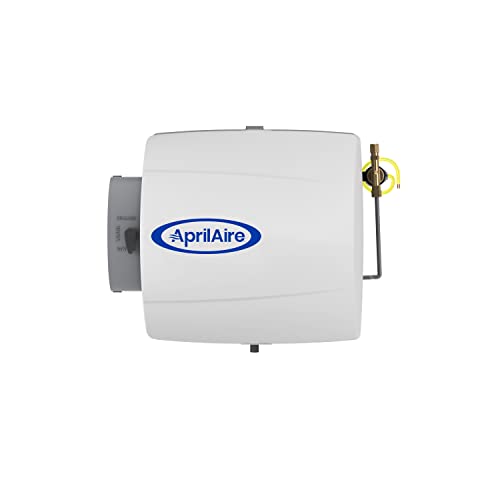
Bypass models are the most common and rely on the furnace blower to move air across a water panel. They are simple, dependable, and well suited to homes where the HVAC system already runs frequently during heating season. Because they depend on airflow, they work best with a standard forced-air furnace. If you are evaluating your furnace and AC together, it helps to understand your furnace and air conditioning setup before choosing a humidifier type.
Fan-Powered Humidifiers
Fan-powered units add a small fan to push air through the water pad, which improves output and reduces dependence on blower speed. They are a strong choice for homes where a bypass duct is difficult to route or where humidity demand is a bit higher than a standard bypass unit can meet. Mid-range models in this category often offer better control and easier maintenance access than starter-tier bypass units.
Steam Humidifiers
Steam humidifiers boil water and inject steam into the ductwork, delivering high-capacity humidity regardless of furnace airflow. They are the flagship tier of whole-home humidity control and suit larger homes, tightly built houses, and climates with very dry winters. They require more electrical capacity and more deliberate maintenance, but they deliver the most precise and powerful humidity control available for residential ducted systems.
How to Size a Whole House Humidifier
Correct sizing is essential. An undersized unit runs constantly and never reaches target humidity, while an oversized unit can overshoot and cause window condensation and moisture problems. Sizing is based on three inputs:
- Home volume or square footage: Larger conditioned spaces require more moisture output.
- Construction tightness: Older, draftier homes lose moisture faster and need more capacity to compensate.
- Climate: Colder, drier climates demand more humidification during the heating season.
Manufacturers publish capacity ratings in gallons per day. A contractor will use your home's volume and construction details to match a unit to your needs. If you are already planning broader HVAC work, it is wise to review your full system performance with a professional, similar to how you would approach heating and air conditioning units selection. Getting the sizing right from the start prevents years of frustration.
Key Benefits of Whole Home Humidity Control
Whole-Home Comfort
Every room receives balanced humidity through your existing ducts, eliminating the room-by-room swings of portable units.
Healthier Air
Proper humidity supports respiratory comfort, reduces dry skin and irritation, and helps keep static electricity under control.
Protects Your Home
Stable humidity protects hardwood floors, furniture, cabinetry, and wood trim from cracking and warping.
Set-and-Forget Operation
A humidistat controls the system automatically, so you are not refilling tanks or monitoring levels daily.
How to Choose the Best Whole-House Humidifier
Use the criteria below to narrow your options. These factors apply regardless of brand and help you compare systems on the features that actually matter.
1. Match the Type to Your HVAC Setup
If you have a standard forced-air furnace with room for a bypass duct, a bypass humidifier is a solid choice. If duct routing is tight or you want more consistent output, look at fan-powered models. If your home is large or tightly sealed, a steam humidifier is the premium solution. Understanding your broader home heating and air conditioning systems helps you see where the humidifier will connect and how it will be controlled.
2. Confirm Capacity for Your Home
Check the manufacturer's sizing chart against your home's volume and construction type. Do not simply choose the largest model — oversizing causes condensation and moisture damage. If you are also considering broader upgrades, a contractor can evaluate your full system, much like reviewing heating and air conditioning units for sale as part of a planned project.
3. Choose Your Control Method
Most units work with a humidistat, and many can be integrated with a smart thermostat. If you already use a modern thermostat, ask whether the humidifier can be managed from the same app. For related reading, see our guide to the home HVAC thermostat.
4. Plan for Maintenance
Water panels, pads, and steam canisters need periodic replacement. Choose a model with accessible maintenance points and understand the service interval. Water quality also matters — hard water increases scale buildup, so some homeowners add a water softener or filter.
5. Consider Installation Requirements
Steam humidifiers need electrical service and a dedicated water line, while bypass and fan-powered units are simpler to retrofit. If you are unsure whether your panel can support the addition, this overview of combined heating and air conditioning units can help you think about the whole system before committing.
Comparing Humidifier Tiers: Starter, Mid, and Premium
Because homeowners shop at different levels, it helps to think in tiers rather than specific models. The table below frames the trade-offs using relative descriptors, so it stays useful over time.
| Tier | Typical Characteristics | Best For |
|---|---|---|
| Starter Tier | Bypass design, basic humidistat, standard water panel | Single-family homes with moderate humidity needs and straightforward ductwork |
| Balanced / Mid-Tier | Fan-powered design, improved control, easier maintenance access | Homes needing more consistent output or with limited bypass duct space |
| Top-Tier / High-End | Steam generation, high-capacity output, smart thermostat integration | Large or tightly built homes with significant humidification demand |
In general, a mid-tier fan-powered model offers a smoother ownership experience than an entry-level bypass unit because it is less dependent on furnace blower speed. A top-tier steam model delivers the most precise control and the highest capacity, making it the flagship choice for demanding homes. Choose the tier that matches your home's construction, climate, and long-term plans rather than the largest or smallest option available.
Installation and Maintenance Basics
Installation Overview
Whole house humidifiers are installed by HVAC professionals who cut into the ductwork, run a water supply line, connect a drain, and wire the humidistat. Installation typically takes part of a day. Because the work involves duct modifications and water connections, it is not a typical DIY project. If you are planning broader system work at the same time, reviewing options such as ductless heating and air conditioning units helps you understand how ducted and ductless approaches differ before you commit.
Routine Maintenance Checklist
- Replace or clean the water panel or pad at the manufacturer's recommended interval.
- Inspect the drain line for clogs and ensure water flows freely.
- Check the humidistat reading against a separate hygrometer occasionally.
- For steam models, replace the canister or clean electrodes as specified.
- Schedule annual HVAC service that includes the humidifier.
Consistent maintenance keeps output stable and prevents mineral buildup from reducing efficiency. If you rely on a contractor for service, establishing a relationship early is useful — see our notes on heating and air contractors in my area for what to look for.
Common Mistakes to Avoid
- Oversizing the unit: Too much humidity causes window condensation and can damage building materials. Always size to the home, not to the maximum rating.
- Ignoring water quality: Hard water accelerates scale buildup. Consider a filter or softener if scale is a recurring issue.
- Skipping maintenance: Neglected pads and canisters reduce output and can harbor buildup. Follow the service schedule.
- Setting humidity too high in winter: Keep the humidistat in a range that prevents condensation on cold windows and walls.
- Choosing a type that does not fit the ductwork: Confirm bypass space or plan for a fan-powered or steam model accordingly.
Final Buying Checklist
Before you buy, run through this checklist to make sure the system will perform as expected:
- Identify your HVAC type and whether a bypass duct is feasible.
- Confirm the recommended capacity for your home's volume and construction.
- Decide between a humidistat, thermostat integration, or smart control.
- Check maintenance access and the replacement part schedule.
- Verify installation requirements, including electrical and water connections.
- Compare tiers rather than individual figures to find the right long-term fit.
If you are coordinating this purchase with broader HVAC decisions, the resources on this site — from heating and air fundamentals to home heating and air conditioning units — can help you see the bigger picture. A whole house humidifier is a long-term investment in comfort and home protection, and choosing the right tier is the most important decision you will make.
Frequently Asked Questions
What is a whole house humidifier?
A whole house humidifier is a system integrated into your home's HVAC ductwork that adds moisture to the air distributed throughout every room. Unlike portable units, it treats the entire home from a single central location.
What indoor humidity level should a whole house humidifier maintain?
Most experts recommend maintaining indoor relative humidity between 30% and 50%. In colder climates, a lower setting in winter helps prevent window condensation and moisture damage.
Do whole house humidifiers require maintenance?
Yes. Bypass and fan-powered humidifiers need periodic water panel or pad replacement, while steam humidifiers require canister or electrode maintenance. Annual service and water quality management keep the system efficient.
Can a whole house humidifier be added to an existing HVAC system?
In most cases yes. Bypass and fan-powered models are commonly retrofitted to existing forced-air furnaces and air handlers, while steam units need access to electrical service and a water line.
Ready to Explore Whole-Home Humidifier Options?
Review the recommended systems below to compare features, types, and tiers. Once you understand your home's needs, you can move forward with confidence.
VIEW RECOMMENDATIONS