Heating, Cooling, and Ventilation Systems: The Complete Guide
Understand how HVAC systems work together to keep your home comfortable, healthy, and energy efficient — from heating and cooling equipment to ventilation and air quality control.
START LEARNINGWhy this guide matters: Heating, cooling, and ventilation systems are the largest energy consumers in most homes. Understanding each component helps you make informed decisions about replacement, upgrades, maintenance, and indoor air quality — before you commit to a purchase.
What Heating, Cooling, and Ventilation Systems Do
A heating, cooling, and ventilation system — commonly shortened to HVAC — is the combined mechanical network that regulates temperature, humidity, and air quality inside a building. The term covers the equipment that heats your home in winter, cools it in summer, and continuously refreshes the indoor air supply. These systems are the backbone of residential comfort and are equally important in commercial spaces such as offices, restaurants, and retail stores.
Modern HVAC systems are no longer a collection of separate machines. They are integrated systems where the heating unit, cooling unit, air handler, ductwork, and controls work as one. When one component underperforms, the whole system suffers — which is why understanding the fundamentals matters before you buy or replace equipment. If you are starting from scratch, the broader overview of heating and air conditioning units is a useful companion read.
The Three Pillars: Heating, Cooling, and Ventilation
Every comfort system is built on three functions. They are often described as one package, but each performs a distinct job and uses different equipment.
Heating
Heating equipment adds thermal energy to indoor air. Common sources include furnaces, boilers, heat pumps in heating mode, and radiant floor systems. A well-designed heating system distributes warmth evenly and responds quickly to thermostat changes.
Cooling
Cooling removes heat and humidity from indoor air using refrigerant cycles. Air conditioners, heat pumps in cooling mode, and evaporative coolers are typical examples. Efficient cooling also manages moisture, which is critical for comfort and mold prevention.
Ventilation
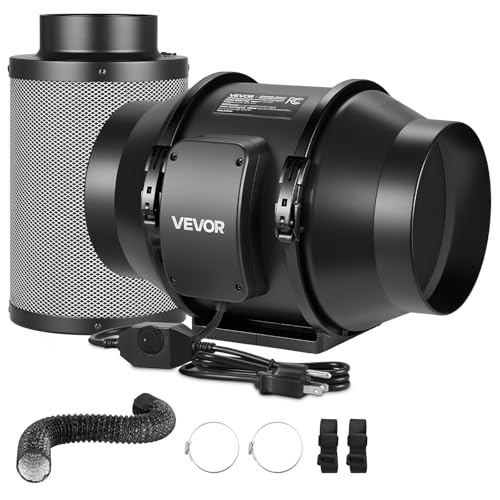
Ventilation exchanges stale indoor air with fresh outdoor air while filtering pollutants. Mechanical ventilation — exhaust fans, energy recovery ventilators, and fresh-air intakes — keeps indoor air healthy in tightly sealed modern homes.
In many homes, a single system handles both heating and cooling. Combined heating and air conditioning units and split systems are common examples. In others, separate systems are installed — for example, a furnace paired with a central air conditioner. The right configuration depends on your climate, home layout, and existing ductwork.
Main Types of HVAC Systems
There is no single best system for every home. Each configuration has strengths and trade-offs. Below are the most common system types you will encounter when researching a purchase.
Split System
A split system pairs an outdoor condenser with an indoor air handler or furnace. It is the standard configuration for homes with existing ductwork and offers strong efficiency and quiet indoor operation.
- Works with existing ducts
- Heating and cooling in one setup
- Wide range of efficiency levels
Packaged Unit
All components — compressor, condenser, evaporator, and blower — are housed in a single outdoor cabinet. Packaged systems suit homes where indoor space is limited or ductwork runs through the attic or crawlspace.
- Single outdoor cabinet
- Simplified installation
- Good for limited indoor space
Ductless Mini-Split
A ductless system connects an outdoor unit to one or more indoor wall-mounted heads. Ideal for additions, older homes without ducts, and room-by-room temperature control. See ductless heating and air conditioning units for a deeper look.
- No duct losses
- Zoned comfort
- Flexible for retrofits
Heat Pump
A heat pump reverses the refrigerant cycle to heat and cool. Modern cold-climate models perform well in freezing conditions and are among the most efficient options available for moderate climates.
- Heating and cooling in one unit
- High seasonal efficiency
- Pairs well with clean-air goals
Hybrid System
A hybrid system combines a heat pump with a fossil-fuel furnace. The system automatically switches to the more efficient energy source based on outdoor temperature, balancing comfort and efficiency.
- Automatic fuel switching
- Strong cold-weather backup
- Efficient across seasons
Window and Portable Units
Window and portable air conditioners cool individual rooms without ductwork. They are practical for renters, single rooms, and temporary cooling needs.
- Simple installation
- Single-room cooling
- Useful for renters
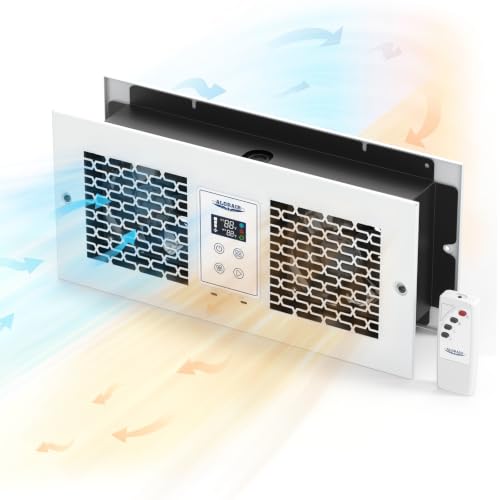
For homes with limited space or specific layouts, there are also specialized configurations. Wall-mounted heating and air conditioning units suit rooms without floor space, while systems for mobile homes are designed around tighter footprints and different duct layouts. Small homes often benefit from compact heating and cooling options that avoid oversized equipment.
System Comparison at a Glance
Use the table below to compare the main system types across practical decision factors. The "Best For" column is more useful than any single specification when you are narrowing down your options.
| System Type | Best For | Ductwork Required | Heating & Cooling | Typical Efficiency Tier |
|---|---|---|---|---|
| Split System | Homes with existing ducts | Yes | Both (with furnace or air handler) | Mid-range to premium |
| Packaged Unit | Limited indoor space | Yes (short runs) | Both | Entry-level to mid-range |
| Ductless Mini-Split | Additions, older homes, zoned comfort | No | Both | Mid-range to premium |
| Heat Pump | Moderate climates, year-round efficiency | Depends on configuration | Both | Mid-range to high-end |
| Hybrid System | Cold climates with efficiency goals | Yes | Both | Premium |
| Window / Portable | Single rooms, renters, temporary needs | No | Cooling only (most models) | Entry-level |
Note that efficiency tiers are general positioning, not a promise of performance. Two systems in the same tier can differ in noise, build quality, and control features. When comparing, look at the efficiency rating on the label rather than marketing language. For homes with no ductwork at all, the guide to heating options for a house without ductwork explains the alternatives in detail.
How to Size a System Correctly
Sizing is the single most important technical decision in any HVAC purchase. An oversized system cools too quickly, cycles on and off frequently, and struggles to remove humidity. An undersized system runs continuously during peak conditions and wears out faster. Neither outcome is acceptable for a long-term investment.
Proper sizing is based on a load calculation — often called Manual J — that accounts for square footage, ceiling height, insulation quality, window area and orientation, air leakage, climate zone, and occupancy. A technician measures these factors and calculates the required heating and cooling capacity. Never accept a sizing recommendation based only on square footage, and never let a contractor skip the load calculation.
What the Load Calculation Covers
- Building envelope: walls, insulation, and air sealing quality
- Windows and doors: area, glazing type, and solar exposure
- Internal gains: occupants, appliances, and lighting
- Climate data: design temperatures for your region
- Duct location and condition, if ducts exist
If you are replacing an old system, do not assume the previous equipment was correctly sized. Homes change over time — insulation is added, windows are replaced, and additions are built. A fresh load calculation prevents repeating a sizing mistake. For a practical walkthrough, see the guide on how to size an air conditioner.
Efficiency Ratings Explained
Efficiency ratings let you compare equipment on a level playing field. The most widely used ratings for heating and cooling systems are SEER2 for cooling and HSPF2 for heating, along with AFUE for furnaces. Higher ratings indicate more efficient operation, but the right target depends on your climate and how long you plan to stay in the home.
Key Ratings to Know
- SEER2: Seasonal cooling efficiency, updated to reflect real-world duct conditions.
- EER2: Cooling efficiency at peak outdoor temperature.
- HSPF2: Seasonal heating efficiency for heat pumps.
- AFUE: Annual fuel utilization efficiency for furnaces.
Efficiency upgrades are most valuable in climates with long cooling or heating seasons. In mild climates, the difference between mid-range and high-end efficiency may take many years to recover through energy use. The broader reference on high-efficiency HVAC systems explains how ratings interact with real installation quality. Equipment efficiency is only half the story — duct sealing, refrigerant charge, and correct airflow determine actual performance.
Market Tiers: Entry, Mid-Range, and Premium
HVAC equipment is positioned across market tiers. Rather than thinking in terms of specific figures, use these universal descriptors to compare equipment in relative terms. The tiers reflect build quality, efficiency range, feature set, and expected service life.
Entry-Level
Basic single-stage equipment with standard efficiency ratings. A solid choice for mild climates, rental properties, and budget-conscious replacements where the existing system is being matched rather than upgraded.
Mid-Range
Two-stage or variable-speed equipment with improved efficiency and quieter operation. The most common choice for long-term homeowners who want a balance of comfort, efficiency, and reliability.
Premium
Fully variable-speed systems with the highest efficiency ratings, advanced controls, and quieter operation. A worthwhile investment where climate demands are significant and long-term efficiency is the priority.
Tier labels are relative, not absolute. A mid-range system from a well-regarded manufacturer, installed correctly, can outperform a premium system installed poorly. Use tiers to narrow your shortlist, then focus on installation quality, warranty terms, and local service availability.
Ventilation and Indoor Air Quality
Ventilation is the most overlooked part of the HVAC system. Modern homes are built tighter than older homes, which improves energy efficiency but reduces natural air exchange. Without deliberate ventilation, pollutants, moisture, and stale air accumulate indoors.
Mechanical ventilation strategies include exhaust-only systems, supply-only systems, balanced systems with heat recovery, and energy recovery ventilators. Each has appropriate applications depending on climate and home tightness. If your home has ducts, duct cleaning and maintenance also play a role in air quality — see heating and air duct cleaning for what is involved and when it is worth doing.
Ventilation Options for Homes
- Exhaust-only: Bathroom and kitchen fans remove stale air; fresh air enters through leaks and vents.
- Supply-only: Fresh air is drawn in and filtered; useful in tighter homes.
- Balanced with recovery: Energy recovery ventilators exchange heat and moisture between outgoing and incoming air for higher efficiency.
For most households, a combination of local exhaust in bathrooms and kitchens plus a whole-home strategy is the practical path. The topic of home ventilation covers the systems and their installation in more depth.
Maintenance and Longevity
A well-maintained HVAC system lasts longer, runs more efficiently, and breaks down less often. Maintenance also preserves the manufacturer warranty, which often requires documented service. The two most important habits are regular filter changes and annual professional inspections.
Maintenance Priorities
- Filters: Replace or clean every one to three months, more often in dusty homes or during heavy use.
- Annual service: A technician checks refrigerant charge, airflow, electrical connections, and drainage.
- Duct inspection: Look for leaks, disconnected sections, and excessive dust accumulation.
- Outdoor unit: Keep the condenser clear of debris, leaves, and vegetation.
- Controls: Verify thermostat calibration and schedule settings seasonally.
When maintenance costs accumulate or the system approaches the end of its service life, replacement becomes the better path. The decision framework in the guide on home air conditioner replacement helps compare repair versus replacement honestly. Many homeowners also benefit from professional heating and cooling service plans that combine inspections and priority repairs.
What to Check Before Buying
When you reach the point of choosing equipment, the decision is about more than the box. The quality of the installation and the contractor behind it will influence your experience for the next decade or more.
Pre-Purchase Checklist
- Obtain a written load calculation before selecting equipment.
- Confirm the efficiency rating on the equipment label matches the quote.
- Ask about the warranty terms for parts, labor, and the compressor.
- Verify the contractor's license, insurance, and references.
- Request a written scope of work, including duct modifications if needed.
- Check whether a permit is required for the installation.
- Ask how the contractor will verify airflow and refrigerant charge after installation.
For a broader framework, the guide to heating and air system costs explains what influences the total project scope, and the overview of heating and cooling companies in your area helps you vet local contractors. Homeowners exploring a specific configuration may also benefit from the combined heating and air conditioning units resource and the split system explainer.
Ready to Explore Equipment?
Once you understand your home's requirements and the system types available, you are in a much stronger position to compare equipment. Browse the curated selections below to see the categories available for your project.
VIEW RECOMMENDED SYSTEMSKey Takeaways
- Heating, cooling, and ventilation are three distinct functions that should be planned together.
- System type depends on your home's ductwork, layout, and climate — not on marketing rankings.
- Correct sizing requires a load calculation, not a square-footage rule of thumb.
- Efficiency ratings matter most in climates with long heating or cooling seasons.
- Installation quality has a greater impact on real performance than tier positioning.
- Ventilation is essential for indoor air quality, especially in tightly sealed homes.
Frequently Asked Questions
What is the difference between heating, cooling, and ventilation?
Heating adds thermal energy to your indoor space, cooling removes heat and humidity, and ventilation exchanges stale indoor air with fresh outdoor air. Together they form the HVAC system that keeps your home comfortable and healthy.
How do I know what size HVAC system my home needs?
Proper sizing requires a load calculation, often called Manual J, which considers square footage, insulation, window area, climate zone, and occupancy. A qualified HVAC technician performs this calculation before recommending equipment.
What are the main types of HVAC systems?
Common configurations include split systems, packaged units, ductless mini-splits, heat pumps, and hybrid systems. Each suits different home layouts and climate conditions.
How often should HVAC systems be serviced?
Most manufacturers recommend professional maintenance once per year for heating equipment and once per year for cooling equipment, plus regular filter changes every one to three months.
Is a heat pump suitable for cold climates?
Modern cold-climate heat pumps perform well in freezing conditions and are now common in northern regions. Performance depends on the specific model's rated operating range and the home's insulation quality. A hybrid configuration with a furnace backup is also an option in very cold climates.
Can I add ventilation to an existing home?
Yes. Local exhaust fans, supply ventilation, and energy recovery ventilators can be retrofitted. The right approach depends on the home's tightness, existing ductwork, and climate. A technician can recommend a balanced solution.