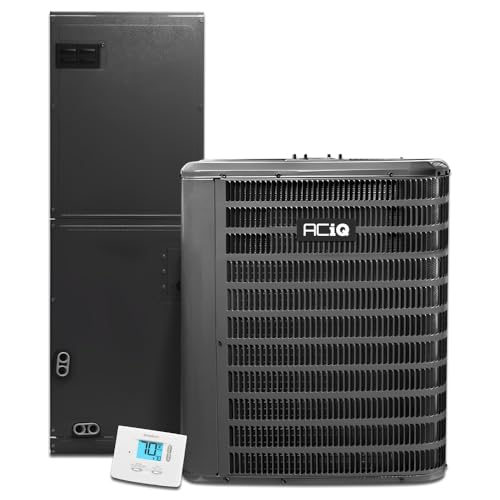
House Heater System: Complete Guide to Home Heating
Understand furnace types, heat pumps, efficiency ratings, and sizing so you can choose the right heating system for your home with confidence.
EXPLORE HEATING OPTIONSAC Units Guide Philosophy: A well-chosen house heater system keeps your home comfortable through every cold season. This guide walks you through the main heating technologies, how to size them for your space, and what to check before you commit to a system.
What Is a House Heater System?
A house heater system is the network of equipment that generates and distributes warmth throughout a home during cold weather. In most American homes, this involves a central furnace or heat pump connected to ductwork, though ductless and room-specific options also play important roles. Understanding how these systems differ helps you match the right technology to your climate, home layout, and daily routine.
Heating accounts for a substantial share of household energy use in colder regions, which makes efficiency and correct sizing critical. A system that is too small struggles to reach set temperatures, while an oversized unit cycles on and off frequently, reducing comfort and component lifespan. The sections below break down the major categories, their strengths, and the practical considerations that guide a sound decision.
Types of House Heater Systems
Gas Furnace
Burns natural gas or propane to heat air, then distributes it through ductwork. Known for fast, strong heat output in cold climates. Modern condensing models reach high AFUE tiers.
Heat Pump
Moves heat rather than generating it, providing both heating and cooling from one unit. Highly efficient in moderate climates and a strong fit for year-round comfort.
Electric Furnace
Uses electric resistance coils to warm air. Straightforward installation, no combustion byproducts, and reliable performance, though generally better suited to milder regions.
Ductless Mini-Split Heat Pump
Delivers conditioned air directly to individual rooms through wall-mounted heads. Ideal for additions, older homes without ductwork, and zoned comfort.
Space Heaters
Portable or wall-mounted units that warm a single room. Useful as backup or for rarely used spaces, not as a primary whole-home solution.
Boiler & Radiant Floor
Heats water and circulates it through radiators or in-floor loops. Delivers even, quiet warmth and pairs well with cold-climate homes.
Heater System Comparison at a Glance
| System | Best For | Efficiency Tier | Ductwork |
|---|---|---|---|
| Gas Furnace | Cold climates, homes with existing ducts | Standard to high-efficiency | Required |
| Heat Pump | Moderate climates, combined heating & cooling | Mid-range to premium | Required (or ductless) |
| Electric Furnace | Milder regions, homes without gas service | Entry-level to mid-range | Required |
| Ductless Mini-Split | Additions, no-duct homes, room zoning | High-end tier | Not required |
| Boiler / Radiant | Even warmth, cold climates, quiet operation | Professional-grade | Piping instead of ducts |
How to Size a Heater for Your House
Correct sizing is the foundation of an efficient heating system. Heating capacity is measured in BTU (British Thermal Units), and the right figure depends on square footage, ceiling height, insulation, window area, air sealing, and climate zone. A professional load calculation is the most reliable method, but the following rough reference helps you frame the conversation:
- Mild climates: roughly 30 to 40 BTU per square foot
- Moderate climates: roughly 40 to 45 BTU per square foot
- Cold climates: roughly 45 to 60 BTU per square foot
These figures are starting points, not final answers. A tight, well-insulated home needs less capacity than an older house with drafty windows. Oversizing is a common mistake: a unit that is too large heats quickly but cycles frequently, which can wear components and create uneven temperatures. If you are comparing a full HVAC upgrade, the same sizing logic applies across heating and cooling systems and should be evaluated together.
Understanding Heating Efficiency Ratings
Efficiency tells you how much of the energy a system consumes actually becomes usable heat. For furnaces, the key metric is AFUE (Annual Fuel Utilization Efficiency). Standard-efficiency furnaces typically rate around 80 percent AFUE, while high-efficiency condensing models reach 90 to 98 percent. For heat pumps, HSPF (Heating Seasonal Performance Factor) and SEER ratings describe performance across heating and cooling seasons.
Higher-efficiency equipment generally requires a larger upfront commitment but performs better over the long run. That trade-off is worth weighing carefully, especially if you plan to stay in the home for many years. Energy-efficient heating and cooling systems also tend to qualify for utility rebates and federal incentives, which can improve the overall picture. If efficiency is your priority, pairing a high-AFUE furnace with a properly sealed duct system delivers the biggest gains.
Climate and Fuel Considerations
The right heater system depends heavily on where you live. In regions with long, severe winters, a gas furnace delivers the high, consistent output needed during extended cold snaps. In milder climates, a heat pump can handle both heating and cooling efficiently, simplifying equipment and maintenance. In areas without natural gas service, electric furnaces and heat pumps become the practical defaults.
Fuel availability matters as much as climate. Homes already connected to natural gas typically find it straightforward to install a gas furnace. Homes relying on propane need storage and delivery logistics. All-electric homes benefit from heat pump technology, which continues to improve in cold-weather performance. A dual-fuel setup, pairing a heat pump with a gas furnace, is a strong option for climates that swing between moderate and severe cold, because each component operates in its strongest range.
Maintenance Checklist for House Heater Systems
- Replace or clean air filters every one to three months during heating season.
- Schedule a professional inspection before the first cold snap each year.
- Keep vents and returns unobstructed by furniture, rugs, or storage.
- Check and clean the condensate drain on high-efficiency condensing furnaces.
- Test the thermostat and replace batteries where applicable.
- Inspect the flue and combustion area for corrosion or debris.
- Seal gaps around duct joints to reduce heat loss in unconditioned spaces.
- Listen for unusual noises and address them before they escalate.
Long-Term Care Tip
Consistent annual servicing is the single most effective way to extend the life of any heater system. Small issues caught early stay small; neglected ones often turn into major repairs during the coldest week of the year.
Signs It May Be Time to Replace Your Heater
Heating equipment wears gradually, so the decision to replace often builds over several seasons. Watch for these indicators:
- The system is approaching or exceeding its expected service life (15 to 20 years for gas furnaces, 12 to 15 for heat pumps).
- Repair frequency is rising, especially for major components.
- Rooms no longer reach the temperatures they once did.
- Energy consumption is climbing without a change in habits.
- Unusual smells, sounds, or visible corrosion around the unit.
- Repeated safety shutoffs or pilot/ignition issues.
When several of these signs appear together, replacement usually becomes the more sensible path. Modern equipment delivers better efficiency and reliability, and the upgrade often improves comfort across the whole house.
Choosing the Right Heating Contractor
Installation quality determines how well a heater system performs for the next decade or more. When evaluating contractors, confirm licensing and insurance, request a written load calculation rather than a rule-of-thumb guess, and ask for references from similar homes in your area. A thorough contractor will inspect ductwork, insulation, and air sealing before recommending equipment.
Get multiple quotes and compare the scope of work, not just the equipment brand. Clarify warranty terms, permit handling, and post-installation commissioning steps. Taking time at this stage protects your investment and reduces the chance of surprises later.
Frequently Asked Questions
What is the most common house heater system?
Forced-air furnaces remain the most common house heater system in the United States, especially in regions with existing ductwork. They distribute warm air through the same ducts used by a central air conditioner, making them a practical choice for combined heating and cooling.
How do I size a heater for my house?
Heater sizing relies on BTU output relative to your home's square footage, insulation quality, ceiling height, window count, and local climate. A professional Manual J load calculation is the most accurate method. As a rough reference, homes in moderate climates typically need around 30 to 40 BTU per square foot, while colder regions may require 45 to 60 BTU per square foot.
What efficiency rating should I look for in a furnace?
Annual Fuel Utilization Efficiency (AFUE) measures how much fuel a furnace converts into usable heat. Standard efficiency models typically rate around 80 percent AFUE, while high-efficiency condensing furnaces reach 90 to 98 percent AFUE. Choosing a higher AFUE tier generally delivers better long-term energy performance.
How long does a house heater system last?
Gas furnaces generally last 15 to 20 years with proper maintenance, while electric furnaces and heat pumps often last 12 to 15 years. Annual servicing, regular filter changes, and timely repairs significantly extend the operational lifespan of any heating system.
Should I choose a furnace or a heat pump?
A furnace is often the better choice in very cold climates where consistent high-output heat is essential. A heat pump excels in moderate climates because it provides both heating and cooling efficiently. In colder regions, a dual-fuel setup pairing a heat pump with a gas furnace offers the strengths of both systems.
Continue Learning
Heating decisions rarely stand alone. If you are planning a broader home comfort upgrade, explore how heating integrates with heating and cooling systems and how ductwork affects performance in heating and ductwork. For homes starting from scratch, heating, ventilating, and air conditioning provides the full-system picture. Homeowners researching furnace types often benefit from reviewing electric forced-air heaters and combined furnace and air conditioner setups to understand how equipment choices interact.
For efficiency-focused projects, energy-efficient heating and cooling systems for homes outlines the standards and technologies worth prioritizing. If you are evaluating air-side components, heating and air conditioning units for condos covers space-constrained configurations, while heater units reviews the range of available equipment categories.
Ready to compare models? Review the recommended house heater systems below to see options across tiers, then check availability for the models that match your climate and home size.