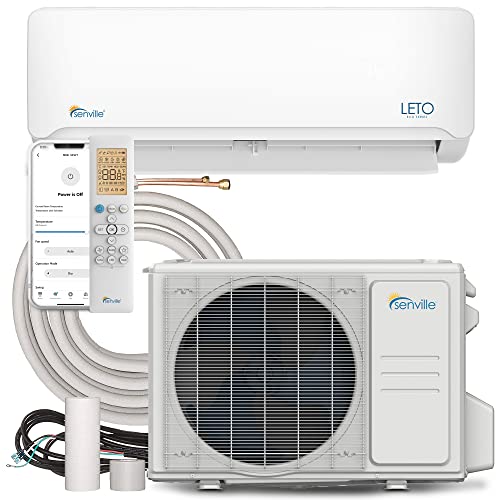
Energy Efficient Heating and Cooling Systems for Homes
A practical, research-driven guide to choosing a home comfort system that keeps energy waste low and indoor comfort high. Compare heat pumps, high-efficiency furnaces, ductless systems, and smart controls — then decide with confidence.
Start the GuideWhat Makes a Heating and Cooling System Energy Efficient?
An energy efficient heating and cooling system delivers the comfort a home needs while drawing less energy from the grid. Efficiency is not a single feature — it is the combined result of compressor technology, heat exchanger design, airflow management, ductwork quality, controls, and how well the equipment matches the building.
Homeowners researching this category usually already know they want a modern, efficient system. The real question is which configuration best fits their climate, duct situation, and long-term comfort goals. Three principles should guide the decision:
Move Heat, Don't Generate It
Heat pumps move existing heat rather than burning fuel to create it, which is why modern electric heat pumps can outperform combustion systems in efficiency across much of the year.
Match Capacity to the Home
Correct sizing prevents short cycling and long runtimes. A properly calculated load keeps the system operating in its most efficient range.
Protect the Airflow Path
Sealed ducts, clean filters, and well-designed returns preserve efficiency. Even top-tier equipment loses efficiency when the distribution system leaks.
For a broader look at how efficiency is measured at the component level, see our overview of energy efficiency of an air conditioner and the comparison of heating and cooling systems.
Energy Efficient System Types Compared
There is no single best system for every home. Climate, existing ductwork, available electrical capacity, and how the home is used all shape the right choice. The table below summarizes the main configurations and where each tends to perform best.
| System Type | Market Tier | Best For | Efficiency Profile | Key Consideration |
|---|---|---|---|---|
| Ducted Heat Pump | Mid-Range | Homes with existing ductwork | High year-round efficiency; inverter models improve part-load performance | Duct sealing is essential to realize rated efficiency |
| Ductless Mini-Split Heat Pump | Mid-Range | Homes without ducts, additions, zoned comfort | Very high; no duct losses, room-level zoning | Multiple indoor heads add visual and installation complexity |
| High-Efficiency Furnace + AC | Premium | Cold climates with existing gas infrastructure | Strong heating output; cooling efficiency depends on paired AC | Condensing furnaces require proper venting |
| Dual-Fuel Heat Pump + Furnace | Premium | Regions with mild winters and occasional deep cold | Heat pump handles most of the year; furnace covers cold snaps | Controls must be configured for optimal switchover |
| Ground-Source Heat Pump | Top-Tier | New builds and properties with land access | Highest steady-state efficiency; stable ground temperature | Requires ground loop and specialized installation |
| Portable / Window AC (Supplemental) | Entry-Level | Single rooms, renters, temporary needs | Moderate; efficiency varies widely by model | Best used as a targeted supplement, not whole-home solution |
Heat Pumps as the Efficiency Backbone
Heat pumps are central to most modern efficiency strategies because they provide both heating and cooling from one system. Air-source models have improved dramatically, and cold-climate variants now operate effectively in sub-freezing conditions. Our guide to HVAC heat pumps explains the technology in more depth, while the comparison of heat pump and condenser clarifies how the two components interact.
Ductless Systems for Targeted Efficiency
Ductless mini-splits avoid the energy losses inherent in ducted distribution. They are especially effective in homes where ducts are missing, poorly sealed, or located in unconditioned space. Review our coverage of ductless heat and air conditioner options and the ENERGY STAR mini-split air conditioner category to compare qualifying models.
Central Systems and Whole-Home Efficiency
For homes with robust ductwork, a high-efficiency central system remains a strong choice. Explore energy efficient central air conditioners and highest efficiency central air conditioner options, and review different types of central air conditioning systems before committing to a configuration.
Efficiency Ratings Explained
Efficiency ratings give homeowners a standardized way to compare equipment. Understanding them prevents overpaying for performance you do not need — or under-buying for a climate that demands more capability.
Cooling Efficiency: SEER and SEER2
SEER measures seasonal cooling efficiency, while SEER2 reflects updated testing procedures that better represent real-world conditions. Higher numbers indicate greater efficiency. For a full breakdown, see what is SEER rating and energy efficient AC guidance.
Heating Efficiency: HSPF and HSPF2
HSPF measures heat pump heating efficiency across a season. Modern inverter heat pumps achieve significantly higher HSPF2 values than older single-stage units, translating to steadier comfort and reduced energy waste in winter.
ENERGY STAR Certification
ENERGY STAR identifies models that meet or exceed federal efficiency thresholds. It is a useful first filter, but not the only one — installation quality and system matching determine actual performance. Browse ENERGY STAR HVAC systems, ENERGY STAR air conditioner units, and high efficiency HVAC overviews for context.
Sizing and Load Calculation
Sizing is the single most consequential decision in an efficiency-focused installation. A system that is too large cools or heats too quickly, cycling on and off and wasting energy while leaving humidity uncontrolled. A system that is too small runs continuously without reaching setpoint.
Professional sizing relies on a room-by-room load calculation that accounts for:
- Window area, orientation, and glazing type
- Insulation levels in walls, ceilings, and floors
- Air infiltration and exfiltration rates
- Occupant count and internal heat gains from appliances
- Duct location and condition
- Local climate design conditions
For a practical walkthrough, read how to size an air conditioner. Homeowners comparing replacement options should also review furnace and air conditioner replacement planning considerations.
Key Efficiency Components
Inverter Compressors
Inverter-driven compressors vary their speed to match demand rather than cycling between full power and off. This produces steadier temperatures, lower humidity swings, and better part-load efficiency. See energy efficient inverter air conditioner details.
Variable-Speed Air Handlers
Variable-speed blowers adjust airflow to match compressor output and can run at low speed for continuous filtration and dehumidification. They also reduce noise and improve duct static pressure management.
Evaporator and Condenser Coils
Coil design affects heat transfer efficiency. Enhanced coil geometries and corrosion-resistant finishes improve performance and longevity. Our evaporator coil reference covers maintenance implications.
Smart Thermostats and Controls
Smart thermostats reduce waste by aligning runtime with occupancy. Review digital air conditioner thermostat options for scheduling and remote control features. Zoning systems can further direct conditioned air only where it is needed.
Ductwork and Air Sealing
Leaky ducts can waste a substantial share of conditioned air before it reaches living spaces. Sealing and insulating ducts in unconditioned areas is often one of the highest-impact improvements available. See heating and ductwork guidance for details.
Buying Decision Framework
The buying stage is where research converts into a confident decision. Use the sequence below to narrow options logically rather than starting with brand or model.
Step 1: Define the Climate and Usage Pattern
Homes in hot-humid climates prioritize dehumidification and cooling efficiency. Homes in cold climates prioritize low-temperature heating performance and defrost reliability. Homes in mixed climates benefit from dual-fuel or cold-climate heat pump configurations.
Step 2: Assess the Existing Infrastructure
Duct condition, electrical panel capacity, and available outdoor space constrain the realistic options. Homes without ducts often favor ductless mini-splits; homes with aging ductwork may need sealing before a new system can perform as rated.
Step 3: Choose the Efficiency Tier
Match the equipment tier to expected occupancy duration. Long-term homeowners benefit from premium or top-tier efficiency; shorter-horizon owners may find a well-installed mid-range system delivers the best balance.
| Decision Factor | Entry-Level Fit | Mid-Range Fit | Premium / Top-Tier Fit |
|---|---|---|---|
| Expected ownership horizon | Short-term or rental | Medium to long-term | Long-term, permanent residence |
| Climate severity | Mild, limited extremes | Moderate with seasonal swings | Severe heat or cold |
| Duct condition | Single-room or no duct use | Ducts present, sealable | Ducts new or professionally sealed |
| Comfort expectations | Basic cooling or heating | Consistent comfort, moderate zoning | Room-level precision, quiet operation |
| Feature priorities | Simple controls | Programmable or smart thermostat | Zoning, humidity control, remote diagnostics |
Step 4: Verify the Contractor and Installation Plan
Installation quality determines whether rated efficiency is achieved. Request a written load calculation, confirm permit handling, and ask how duct sealing and refrigerant charge will be verified. Our guides on how to choose an HVAC contractor and how to avoid AC scams provide practical screening criteria. Homeowners can also find an HVAC contractor near me using local search resources.
Step 5: Confirm Warranty and Service Support
Warranty terms vary by manufacturer and installation quality. Registration deadlines and maintenance requirements often affect coverage. Review the paperwork before signing and confirm that local service support exists for the selected brand.
Installation Quality Matters More Than the Label
Two homes can install identical equipment and experience very different efficiency outcomes. The difference is installation craftsmanship: correct refrigerant charge, sealed ducts, proper airflow, and accurate thermostat configuration.
- Refrigerant charge verified by weight or subcooling/superheat method
- Duct seams sealed and insulated in unconditioned spaces
- Static pressure measured and airflow adjusted to specification
- Thermostat configured for the correct system type and stages
- Condensate drainage tested and routed safely
- Electrical connections torqued and protected
For related planning topics, review do I need a permit for AC and heating and air conditioning service companies guidance.
Maintenance and Long-Term Efficiency
Efficiency degrades quietly. Dirty coils, restricted filters, and low refrigerant charge increase runtime and energy draw before homeowners notice a comfort problem. A simple maintenance rhythm preserves performance:
- Replace or clean filters every one to three months depending on usage
- Schedule professional cooling-season and heating-season tune-ups
- Keep outdoor units clear of debris and vegetation
- Verify condensate drainage and inspect for standing water
- Monitor thermostat schedules seasonally
For efficiency-focused operating habits, see how to reduce AC electricity bill and energy saving air conditioner guidance. Homeowners with older equipment should also review heating and cooling systems replacement timing.
Ready to Compare Energy Efficient Systems?
Use the research above to shortlist system types and efficiency tiers, then review recommended equipment matched to your climate and home layout. The product section below highlights efficient options across categories.
Explore Recommended SystemsFrequently Asked Questions
What makes a heating and cooling system energy efficient?
A system is energy efficient when it converts a high proportion of the energy it consumes into usable heating or cooling. Key indicators include high SEER2 ratings for cooling, high HSPF2 ratings for heating, inverter-driven compressors, variable-speed air handlers, and ENERGY STAR certification.
Is a heat pump better than a separate furnace and air conditioner?
For many climates, a modern heat pump is more efficient year-round because it moves heat instead of generating it. In regions with long sub-freezing winters, a dual-fuel setup pairing a heat pump with a gas furnace can deliver the best balance of efficiency and reliability. See HVAC heat pumps for more detail.
How does proper sizing affect energy efficiency?
An oversized system cools or heats too quickly, cycling frequently, which wastes energy and creates uneven comfort. An undersized system runs continuously without reaching the target temperature. A room-by-room load calculation ensures the system matches the home precisely. Our sizing guide explains the process.
Do smart thermostats improve energy efficiency?
Smart thermostats reduce energy waste by learning household schedules, adjusting setpoints automatically, and enabling zone-level control. Combined with a well-matched system, they help avoid unnecessary runtime during unoccupied hours. Browse digital air conditioner thermostat options for scheduling features.
How often should an energy efficient HVAC system be maintained?
Professional maintenance is recommended twice per year — once before the cooling season and once before the heating season. Homeowners should replace or clean filters every one to three months depending on usage and indoor air quality.