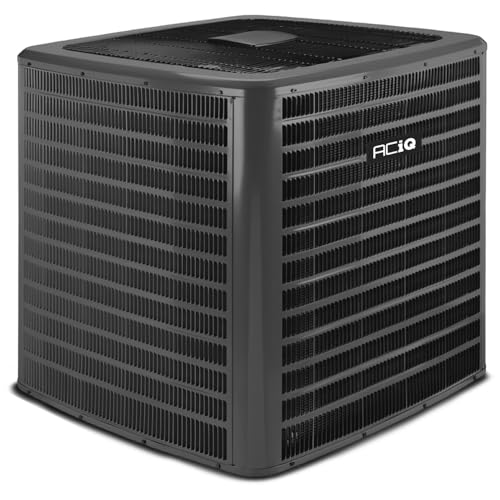
How Much Is a 2 Ton AC Unit?
Your complete guide to understanding 2 ton air conditioners, sizing, key features, and top recommendations for efficient home cooling.
START LEARNINGQuick Answer: A 2 ton AC unit is a mid-range cooling system designed for homes around 1,000 to 1,400 square feet. Rather than focusing on a single figure, it's essential to understand what a 2 ton unit is, how it works, and what factors influence the overall investment. This guide covers everything you need to know before making a decision.
What Exactly Is a 2 Ton AC Unit?
A 2 ton air conditioner refers to its cooling capacity, not its physical weight. In HVAC terminology, one ton of cooling equals 12,000 British Thermal Units (BTUs) per hour. Therefore, a 2 ton AC unit provides 24,000 BTUs of cooling power — enough to comfortably cool a medium-sized home or a large open-plan living area.
This capacity is often considered the "sweet spot" for many residential applications. It sits between smaller 1.5 ton units (ideal for apartments) and larger 3 ton systems (for bigger homes). Understanding this middle ground helps you determine if a 2 ton unit aligns with your space and cooling needs.
For a broader overview of different system types, explore our guide on AC types to see how 2 ton units fit into the larger landscape of air conditioning options.
Who Should Consider a 2 Ton AC Unit?
A 2 ton AC unit is typically suitable for:
- Medium-sized homes: Houses ranging from 1,000 to 1,400 square feet with standard ceiling heights.
- Open-plan living areas: Spaces where the living room, dining area, and kitchen flow together.
- Homes in moderate climates: Regions where summers are warm but not extreme.
- Well-insulated properties: Homes with good insulation and energy-efficient windows.
However, square footage alone isn't the only factor. Ceiling height, window area, insulation quality, local climate, and the number of occupants all play a role. A professional load calculation is always recommended for precise sizing.
Why Proper Sizing Matters
Choosing the right size AC unit is critical for comfort and efficiency. An undersized unit will struggle to cool your home during peak summer days, running continuously and wearing out faster. An oversized unit will cool too quickly, cycling on and off frequently — a process called "short cycling" — which leads to inconsistent temperatures and higher humidity levels.
A correctly sized 2 ton unit will:
- Maintain consistent indoor temperatures
- Effectively remove humidity from the air
- Operate efficiently without excessive wear
- Provide long-term reliability
If you're unsure about sizing, our detailed guide on how to size an air conditioner can help you understand the factors involved.
Key Factors That Influence Your Decision
While we avoid discussing specific figures, it's helpful to understand the factors that contribute to the overall scope of a 2 ton AC project:
1. System Type
A 2 ton central air conditioning system includes an outdoor condenser unit, an indoor air handler or furnace coil, and ductwork. The type of system — central, ductless mini-split, or packaged unit — significantly affects the project scope. Explore options in our central air conditioning guide or learn about ductless mini-split AC systems.
2. Efficiency Rating
Higher SEER (Seasonal Energy Efficiency Ratio) ratings indicate greater energy efficiency. Entry-level systems typically meet minimum standards, while premium models offer significantly higher efficiency. For a detailed explanation, see our article on what a SEER rating is.
3. Brand and Tier
The market offers entry-level, mid-range, and premium brands. Premium brands often provide advanced features, quieter operation, and longer warranties. Our guide on air conditioning unit brands can help you compare options.
4. Installation Requirements
Installation complexity varies based on your home's existing infrastructure. Upgrading electrical systems, modifying ductwork, or installing new linesets can add to the project scope. For more details, see our AC installation estimate guide.
5. Additional Features
Features like variable-speed compressors, smart thermostats, and enhanced air filtration can influence the overall investment. Learn more about smart AC thermostats and inverter AC technology.
Comparing 2 Ton AC Units to Other Capacities
To help you contextualize a 2 ton unit, here's how it compares:
- 1.5 Ton (18,000 BTU): Suitable for 700–1,000 sq ft. Often used in apartments and smaller homes.
- 2 Ton (24,000 BTU): Ideal for 1,000–1,400 sq ft. The middle-ground choice for many families.
- 2.5 Ton (30,000 BTU): Best for 1,400–1,800 sq ft. Appropriate for larger homes or open layouts.
- 3 Ton (36,000 BTU): Designed for 1,800–2,200 sq ft. Common in larger single-family homes.
If you're considering a larger system, our guide on 3 ton air conditioner considerations provides additional context.
Energy Efficiency and Long-Term Value
When evaluating a 2 ton AC unit, consider the long-term value of energy efficiency. While entry-level systems may have a lower initial investment, premium high-efficiency models can reduce energy consumption significantly over the system's lifespan. Look for ENERGY STAR certified units, which meet strict efficiency guidelines set by the U.S. Department of Energy.
For more information, explore our article on ENERGY STAR AC units and highest SEER air conditioners.
Maintenance and Expected Lifespan
A well-maintained 2 ton AC unit can last 15 to 20 years. Regular maintenance — including filter changes, coil cleaning, and annual professional tune-ups — is essential for optimal performance and longevity. Learn more in our guide on annual AC service and cleaning AC coils.
Neglecting maintenance can lead to common issues like AC not cooling or fan blowing but no cold air. Addressing problems early can prevent costly repairs.
Common Questions About 2 Ton AC Units
Is a 2 ton AC unit enough for my home?
For homes between 1,000 and 1,400 square feet, a 2 ton unit is often appropriate. However, factors like insulation, window area, and climate must be considered. A professional load calculation is the best way to determine suitability.
How many BTUs does a 2 ton AC produce?
A 2 ton AC unit produces 24,000 BTUs per hour. This is calculated by multiplying 2 tons by 12,000 BTUs per ton.
Can I install a 2 ton AC unit myself?
HVAC installation requires specialized tools, refrigerant handling certification, and electrical knowledge. Professional installation is strongly recommended to ensure safety, efficiency, and warranty compliance. Learn more in our HVAC part supplier guide.
What SEER rating should I look for?
Modern minimum standards require SEER2 ratings of 14.3 or higher for most residential systems. Higher SEER ratings indicate greater efficiency. Explore our SEER vs SEER2 guide for details.
How long does a 2 ton AC unit last?
With proper maintenance, a 2 ton AC unit can last 15 to 20 years. Regular tune-ups and timely repairs extend lifespan.
Tips for Choosing the Right 2 Ton AC System
- Get a professional load calculation: Don't rely solely on square footage. A Manual J calculation considers all factors.
- Compare efficiency ratings: Higher SEER ratings mean lower energy consumption over time.
- Consider your climate: Homes in hotter climates may benefit from higher-capacity or higher-efficiency systems.
- Check warranty terms: Premium brands often offer longer warranties on compressors and parts.
- Read reviews and ratings: Research brands and models to ensure reliability and customer satisfaction.
- Consult multiple contractors: Get quotes from licensed HVAC professionals to compare options. Find resources in our heating and cooling contractors guide.
Related Guides and Resources
Explore more helpful articles to support your research: