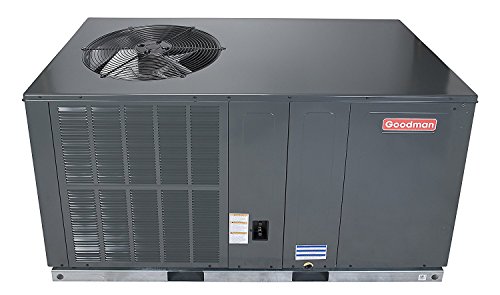
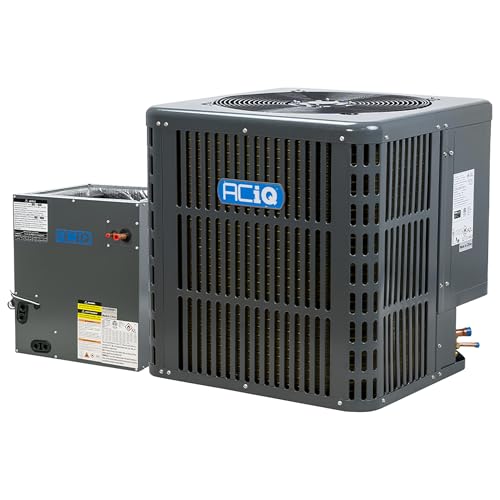
Understanding 3 Ton Air Conditioner Value
A complete guide to the components, efficiency factors, and market positioning of a 3 ton central AC system for your home
EXPLORE THE GUIDEWhy This Guide Matters: A 3 ton air conditioner is a significant long-term investment for many homes. Understanding the system's anatomy, tier classifications, and what influences its overall market positioning empowers you to make a confident, informed decision. This guide walks you through everything you need to know before selecting your unit.
What Exactly Is a 3 Ton Air Conditioner?
In the HVAC industry, "ton" does not refer to weight. A 3 ton air conditioner is a unit with a cooling capacity of 36,000 BTU per hour. This measurement dates back to the days when ice was used for cooling, and it remains the standard for sizing residential systems today.
A 3 ton unit is generally appropriate for homes ranging from approximately 1,600 to 2,200 square feet, depending on climate, insulation, window exposure, and occupancy. It sits in the mid-range of residential cooling capacity, making it one of the most common choices for single-family homes in moderate to warm climates.
If you are still narrowing down the right size, the guide on central air conditioning for a 1,600 sq ft home can help you validate whether a 3 ton system is the right match for your floor plan.
Key Takeaway: A 3 ton AC delivers 36,000 BTU per hour. It is a mid-range residential system, ideal for homes between 1,600 and 2,200 square feet in typical climates, and is the most popular capacity for modern single-family homes.
Anatomy of a 3 Ton System: What Drives Its Market Positioning
The overall positioning of a 3 ton air conditioner in the market is determined by the combination of its components. Each part comes in different quality tiers, and the final configuration determines whether a unit falls into the entry-level, mid-range, or premium category.
1. The Compressor
The compressor is the heart of the system. Entry-level units typically use single-stage compressors that run at full capacity or not at all. Mid-range units frequently feature two-stage compressors for better humidity control, while premium units use variable-speed inverter-driven compressors for precise temperature regulation and enhanced efficiency. Understanding the difference between inverter and conventional AC technology will help you evaluate how a specific model is positioned.
2. The Condenser Coil
Coil construction varies across tiers. High-end units often feature thicker copper tubing, enhanced fin designs, and corrosion-resistant coatings — all of which contribute to durable construction and long-term reliability. Learning how to clean the coils of an air conditioner properly also extends the life of any tier.
3. The Air Handler and Blower
The air handler moves cooled air through your ductwork. Top-tier systems use ECM (electronically commutated motor) blowers, which are significantly more energy-efficient than standard PSC motors found in starter-tier units. If your system uses a furnace as the air handler, understanding the role of furnace fans is essential.
4. Refrigerant Type
Modern 3 ton systems use R-410A or the newer R-32/R-454B refrigerants. The choice of refrigerant affects both environmental compliance and long-term serviceability. Units designed for the latest refrigerant standards represent a more forward-looking investment.
5. Smart Controls and Connectivity
Premium-tier systems increasingly ship with integrated Wi-Fi and compatibility with smart AC thermostats. This feature allows remote monitoring, scheduling, and energy optimization — a significant differentiator in the high-end tier.
Market Tier Comparison for 3 Ton Units
To help you compare systems without relying on any single metric, here is how 3 ton air conditioners generally break down across market tiers. Use this table to understand the relative positioning of different systems you may encounter.
| Tier | Compressor | SEER Range | Build Quality | Best For |
|---|---|---|---|---|
| Entry-Level | Single-stage | 14–15 SEER | Standard materials | Basic cooling, mild climates |
| Mid-Range | Two-stage | 16–18 SEER | Enhanced coils, better insulation | Balanced performance and comfort |
| Premium | Variable-speed inverter | 19–22+ SEER | High-grade materials, corrosion-resistant | Maximum efficiency, quiet operation |
| Luxury / Commercial-Grade | Variable-speed, advanced controls | 23+ SEER | Heavy-duty, flagship construction | Whole-home zoning, extreme climates |
It is important to note that a higher tier does not automatically mean it is the right choice for every home. A mid-range system is often the sweet spot for most homeowners, offering a solid balance between initial investment and long-term efficiency. For those seeking the highest efficiency available, exploring the highest SEER air conditioner options can be informative.
Advantages of a 3 Ton System
- Ideal for most average-sized homes
- Wide availability of parts and service
- Good balance of capacity and efficiency
- Compatible with most ductwork layouts
Considerations
- Oversizing can cause short cycling
- Requires proper load calculation
- Ductwork must be sized correctly
- Installation quality is critical
Efficiency Ratings and Their Impact
SEER (Seasonal Energy Efficiency Ratio) and its updated counterpart, SEER2, are the primary metrics for comparing air conditioner efficiency. For a 3 ton unit, moving from a 14 SEER entry-level model to a 20 SEER premium model can reduce energy consumption by a significant margin over the system's lifespan.
The US Department of Energy sets minimum efficiency standards, and these have tightened in recent years. Understanding ENERGY STAR certified AC requirements can help you identify units that meet or exceed federal guidelines. If you are considering a whole-home approach, exploring energy-efficient HVAC systems provides a broader perspective on optimizing your entire setup.
Beyond SEER, consider the EER (Energy Efficiency Ratio) for peak cooling performance in hot climates, and HSPF if your system includes a heat pump function. For homes pairing an AC with a heating system, the guide on combining a furnace and air conditioner offers useful context for selecting compatible components.
Efficiency Insight: A 3 ton unit at 18 SEER operates significantly more efficiently than a 14 SEER model. The long-term energy savings of a higher-tier unit often justify the increased initial investment, especially in climates with long cooling seasons.
Installation Factors That Influence Overall Investment
The system itself is only part of the equation. Installation quality and the condition of your home's infrastructure heavily influence both performance and the overall project scope. Here is what to consider:
- Ductwork condition: Existing ducts may need sealing, repair, or full replacement. Proper HVAC ductwork installation ensures your 3 ton system delivers its rated capacity without energy loss.
- Electrical panel capacity: A 3 ton system typically requires a dedicated 240V circuit. An electrician may need to upgrade your panel if capacity is insufficient.
- Line set and refrigerant lines: New installations require properly sized and insulated line sets. Length and routing can affect material needs.
- Permits and inspections: Most municipalities require permits for HVAC replacement or new installation. The guide on AC installation cost estimation outlines typical line items, though individual project scopes vary.
- Thermostat and controls: Upgrading to a programmable or smart thermostat is often part of a new installation and contributes to long-term energy management.
- Contractor selection: Choosing a licensed and insured professional is critical. Resources on heating and cooling contractors can help you evaluate qualifications.
For a detailed breakdown of what a replacement project entails, including component-level considerations, the article on replacing a 3 ton air conditioner provides additional context. Similarly, those comparing a full system swap may find the discussion on new 3 ton AC unit installation helpful for understanding scope differences.
Your 3 Ton AC Selection Checklist
Before committing to a purchase, run through this practical checklist to ensure you are making a well-informed decision:
- Confirm your home's cooling load: A professional Manual J calculation is the gold standard. Avoid simply matching the size of your old unit, as home improvements may have changed your needs.
- Choose the right tier for your priorities: If energy efficiency and quiet operation are top priorities, a premium inverter system is worth exploring. If simplicity and essential cooling are the focus, a mid-range two-stage unit may suffice.
- Verify efficiency ratings: Compare SEER2 values and check for ENERGY STAR certification. Higher ratings indicate better efficiency, which matters for long-term operating considerations.
- Evaluate the warranty: Premium-tier systems often include longer compressor and parts warranties. Review the terms carefully.
- Assess contractor credentials: Verify licensing, insurance, and customer reviews. A proper installation is as important as the equipment itself. You can explore heating and air conditioning companies in your area to begin your search.
- Plan for maintenance: Regular service extends system life. The guide on annual AC service outlines what to expect from a maintenance plan.
Frequently Asked Questions
A 3 ton system (36,000 BTU) generally cools 1,600 to 2,200 square feet, depending on climate, insulation, window area, and occupancy. Homes in hotter climates or with poor insulation may require a larger capacity, while well-sealed homes in milder climates may be comfortable with a smaller unit. Always confirm with a professional load calculation.
The primary difference is cooling capacity: 3 tons equals 36,000 BTU/hour, while 4 tons equals 48,000 BTU/hour. A 4 ton unit is appropriate for larger homes, typically 2,000 to 2,800 square feet. Choosing the correct size is critical — an oversized unit will short cycle, leading to poor humidity control and accelerated wear. For a comparison, see the guide on 4 ton AC units.
With proper installation and regular maintenance, a 3 ton central air conditioner typically lasts 15 to 20 years. Premium-tier units with durable construction and high-grade components often reach the upper end of that range. Annual professional service and regular filter changes are the most effective ways to maximize lifespan.
It depends on your priorities. Inverter units offer superior efficiency, quieter operation, and more precise temperature control — they are the premium-tier choice. Single-stage units are simpler, more straightforward in design, and represent the entry-level tier. For a full comparison, refer to the article on inverter vs normal AC.
For most homes, a SEER2 rating of 15–18 is the mid-range sweet spot, balancing efficiency and upfront investment. Higher ratings (19–22+) fall into the premium tier and are worthwhile in hot climates with long cooling seasons. Check ENERGY STAR requirements and any local utility incentive programs for additional guidance.
While technically possible, it is generally not recommended to replace only the outdoor condenser without matching the indoor coil and air handler. Mismatched components can reduce efficiency and may void warranties. A full system replacement ensures optimal performance and reliability. For related guidance, see the article on central air repair.
Ready to Explore Your Options?
Now that you understand the factors that define a 3 ton air conditioner's positioning, you can evaluate specific models with confidence. Browse recommended systems below or continue reading our detailed guides.
Explore Recommended SystemsContinue Your Research
Deepen your understanding with these related guides from AC Units Guide:
- 3 Ton Central Air Conditioning Units: What to Know — a buyer-focused overview of central AC configurations.
- Pairing a 3 Ton AC Unit with an Air Handler — how the indoor unit matches the outdoor condenser.
- Installing a New Central Air System — a broader look at full-system installation factors.
- Cooling a 3,000 Sq Ft Home — if your home is larger, you may need a different capacity.
- Comparing 2 Ton AC Units — for smaller homes or additions.
- Central Heating and AC Combinations — for homes needing both heating and cooling.
Properly maintaining your system after installation is just as important as choosing the right tier. Guides on cleaning condenser coils and air duct sealing will help you protect your investment for years to come.