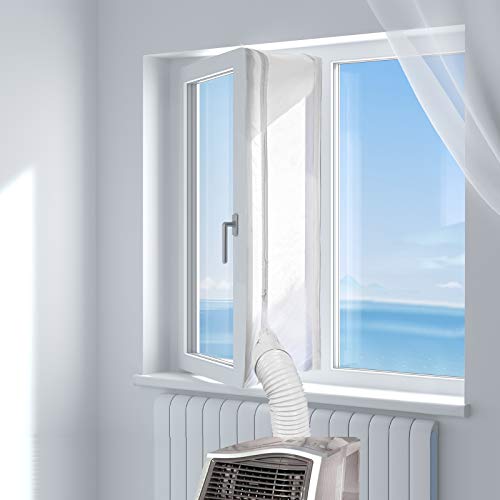
Window AC Installation: What to Expect and How It Works
Understand the installation process, the factors that influence it, and how to prepare your home for a smooth and safe window air conditioner setup.
EXPLORE THE PROCESSWhy installation matters: Proper installation is the foundation of efficient cooling, safe operation, and long-term durability. A well-installed window AC unit runs quieter, cools more effectively, and places less strain on your electrical system. This guide walks you through what the process involves so you can make an informed decision.
Understanding Window AC Installation
Window air conditioners are among the most accessible cooling solutions for single rooms, apartments, and homes without ductwork. Unlike central systems or ductless mini-splits, a window unit is self-contained and mounts directly in a window frame. This design simplifies the setup, but it still requires careful planning to ensure the unit is secure, properly sealed, and correctly supported.
Whether you choose an entry-level unit for a small bedroom or a premium model with smart features, the installation principles remain similar. The main differences lie in the unit's weight, the complexity of the mounting hardware, and whether the window needs modification. Understanding these variables helps you decide between a DIY approach and professional assistance.
For homeowners comparing cooling options, it is helpful to understand how window units fit into the broader landscape of HVAC choices. If you are weighing window AC against other systems, a comparison of heat pump vs air conditioner technologies can provide useful context. Additionally, if you are considering a permanent solution, exploring wall-mounted air conditioner options may broaden your perspective.
Factors That Influence the Installation Process
Every home is different, and several factors determine how straightforward or complex a window AC installation will be. These factors also influence whether a DIY approach is advisable or whether professional help is recommended.
Unit Size and Weight
Entry-level and mid-range window units for small rooms are generally lighter and easier to handle. Larger capacity units, often in the premium tier, weigh more and may require additional brackets or a two-person lift.
Window Type
Double-hung windows are the most common and easiest to work with. Casement, slider, and awning windows may require special brackets or adapter kits, adding complexity to the installation.
Electrical Requirements
Most window units plug into a standard 110V outlet. However, higher-capacity models may require a dedicated circuit or a 240V outlet, which could involve an electrician.
Mounting Hardware
Some units include basic mounting brackets and a window kit. Others, especially heavier models, require reinforced brackets, support arms, or custom frames to ensure stability.
Sealing and Insulation
Proper sealing around the unit prevents cool air from escaping and keeps hot air, insects, and moisture out. Weather stripping and foam insulation are typically used to close gaps.
Building Regulations
Some neighborhoods or apartment buildings have rules about window-mounted units, especially regarding exterior appearance or structural modifications. Checking local guidelines is always wise.
Step-by-Step Installation Overview
While the exact steps vary by unit and window type, the general installation process follows a consistent sequence. Understanding these steps helps you plan the project and determine whether you are comfortable performing the work yourself.
- Choose the right location. Select a window that can support the unit's weight, is close to a power outlet, and is not exposed to direct sunlight for extended periods. Shaded windows improve cooling efficiency.
- Measure the window and unit. Confirm that the window opening matches the unit's dimensions. Most manufacturers provide a window width and height range that the unit supports.
- Prepare the window. Clean the window frame, remove the screen if necessary, and inspect for any damage or rot that could affect stability.
- Install the mounting bracket. Follow the manufacturer's instructions to attach the bracket or support frame. This step is critical for safety, especially for heavier units.
- Lift and position the unit. With assistance for heavier models, carefully place the unit into the window and slide it into the bracket. Ensure it sits level.
- Secure the unit. Use the provided screws or brackets to lock the unit in place. Some units include a sash lock or window lock to prevent the window from being opened.
- Seal the gaps. Apply weather stripping or foam insulation around the unit to prevent air leaks. This step improves efficiency and comfort.
- Test the unit. Plug the unit in, turn it on, and check for proper cooling, unusual noises, and any water leakage. Adjust as needed.
If your home has no ductwork and you are exploring alternatives, understanding ductless mini-split AC systems can help you compare long-term options. For renters or those in temporary living situations, a portable air conditioner may offer more flexibility than a window unit.
DIY vs Professional Installation
One of the first decisions you will face is whether to install the unit yourself or hire a professional. Both approaches have merit, and the right choice depends on your comfort level, the unit's complexity, and your home's specific requirements.
| Aspect | DIY Installation | Professional Installation |
|---|---|---|
| Best suited for | Entry-level and mid-range units in standard double-hung windows | Premium or heavy units, non-standard windows, or electrical upgrades |
| Tools required | Basic hand tools, drill, level, weather sealant | Provided by the technician |
| Time commitment | Typically 30 to 60 minutes for straightforward installations | Scheduled appointment, often completed within the same visit |
| Safety considerations | Requires careful lifting and secure mounting | Technician ensures proper support and sealing |
| Warranty implications | May affect warranty if installation errors occur | Often preserves manufacturer warranty when done by a certified professional |
For those who prefer professional help, services such as a handyman to install a window air conditioner can be a practical solution for standard units. If you are also considering a combined heating and cooling solution, exploring heat and air conditioner window units may be worthwhile.
How to Prepare Your Home for Installation
Proper preparation minimizes surprises and ensures the installation goes smoothly. Before the unit arrives or the technician visits, take the following steps:
- Inspect the window frame for rot, damage, or loose hinges that could affect stability.
- Measure the window opening accurately and compare it with the unit's specifications.
- Check that a power outlet is within reach of the unit's cord, and confirm the outlet's voltage matches the unit's requirements.
- Clear the area around the window to provide space for the installation.
- Have weather stripping, foam insulation, and a level on hand if you are installing the unit yourself.
- Review the manufacturer's manual for any specific requirements or recommendations.
If your home has multiple rooms and you are considering a broader cooling strategy, reviewing central air conditioning options may provide a useful comparison for whole-home comfort.
Maintenance After Installation
Once the unit is installed, regular maintenance keeps it running efficiently and extends its lifespan. Key tasks include cleaning or replacing the air filter every few weeks during peak cooling season, checking the exterior for debris or bird nests, and inspecting the seal around the unit for gaps.
For a comprehensive maintenance routine, refer to a tips and maintenance guide that covers seasonal checklists and troubleshooting. If you notice issues such as reduced cooling or unusual noises, addressing them promptly prevents more serious problems. For homeowners with existing ductwork, additional resources on HVAC and air duct cleaning can complement your maintenance efforts.
Ready to Explore Window AC Options?
Now that you understand the installation process, you can confidently evaluate units based on your room size, window type, and feature preferences. Browse our recommendations to find a model that fits your needs.
VIEW RECOMMENDED UNITSFrequently Asked Questions
Can I install a window AC unit myself?
Yes, many window AC units in the entry-level and mid-range tiers are designed for DIY installation. However, larger units, units that require custom brackets, or windows that need modification may benefit from professional help. Always follow the manufacturer's instructions and prioritize safety.
What tools are needed to install a window AC?
Typical tools include a screwdriver, drill, measuring tape, level, weather sealant, and mounting brackets. Some units include an installation kit, while others require additional hardware. Check the manual before starting.
How long does window AC installation take?
A straightforward installation in a standard double-hung window can take about 30 to 60 minutes. Complex installations involving custom brackets, window modifications, or electrical work may take longer.
Do I need a special outlet for a window AC?
Most standard window units run on a 110V household outlet. However, higher-capacity models may require a dedicated circuit or a 240V outlet. Check the unit's specifications to confirm its electrical requirements.
How do I seal gaps around a window AC unit?
Use weather stripping, foam insulation, or a window sealing kit to close gaps between the unit and the window frame. Proper sealing prevents cool air from escaping and keeps hot air, moisture, and insects out.