Hiring a Handyman to Install a Window Air Conditioner
Installing a window AC is a common DIY project — but it is also one where a heavy unit in a bad position, an inadequate bracket, or an electrical overload can create real problems. This guide helps you decide when a handyman is worth hiring, what a handyman can and cannot do, and how to pick the right one.
Explore the GuideWhy this decision matters more than it seems: Window air conditioners are heavier than they look, and a bad install can mean a leaky window, a unit that drains water into the wall, or a fall hazard on upper floors. A handyman who knows window AC installation brings the right tools, brackets, and experience to avoid those outcomes — and often saves a homeowner from a project that is trickier than the instruction manual suggests.
When a Handyman Makes Sense
Not every window AC installation is the same. A small 5,000 BTU unit on a ground-floor double-hung window is a straightforward weekend task for many homeowners. But several scenarios tip the balance toward hiring someone:
- Upper-floor windows: any fall hazard changes the calculation — a handyman will bring the right support bracket and knowledge to install safely.
- Heavy or oversized units: larger 8,000 to 12,000 BTU units are heavy, and incorrect handling can damage the unit or the installer.
- Unusual window types: casement, slider, or oversized windows often need custom brackets or adapters. A handyman can fabricate or fit the right solution — see low-profile window air conditioner 5000 BTU options for awkward window sizes.
- Older or fragile window frames: installing into an aged frame without damaging it takes care.
- Repeated installs or seasonal changes: a handyman can install multiple units in one visit or handle the seasonal removal and reinstallation each year.
- No tools, time, or physical ability: if lifting or reaching is difficult, hiring help is the safer choice.
- Landlord or building requirements: in apartments or condos, a professional install may be required for liability reasons.
A separate consideration is that if your window situation simply does not allow a standard unit, a handyman can advise on alternatives. A heat and air conditioner window unit can combine cooling and heating when space is limited, and a dual inverter through-the-wall air conditioner is worth considering when the window itself is unavailable. For homes with no workable window at all, see I need an air conditioner but no window for alternatives.
When DIY Is Fine
For some installations, a careful DIY approach is perfectly reasonable — and saves the trouble of finding and scheduling a handyman. DIY is a good fit when all of the following are true:
- The unit is small and light (5,000 to 6,000 BTU class — see our guide on the ENERGY STAR 6000 BTU air conditioner category).
- The window is on the ground floor, or a firm support bracket is easy to install.
- The window is a standard double-hung style with adequate structural support.
- You have the tools (drill, level, weather stripping, mounting hardware).
- The electrical outlet is a dedicated or adequately sized circuit — our electrical outlet plugs guide covers the basics.
- The unit is new and includes a clear installation guide with mounting hardware.
What a Handyman Actually Does
A handyman performing a window AC installation typically handles the following tasks:
- Pre-installation check: verifying the window and frame can support the unit and that the electrical circuit is suitable.
- Mounting the unit: positioning the unit correctly in the window, ensuring a slight outward tilt for drainage.
- Support bracket installation: installing or fabricating an exterior support bracket when the window sill alone is insufficient.
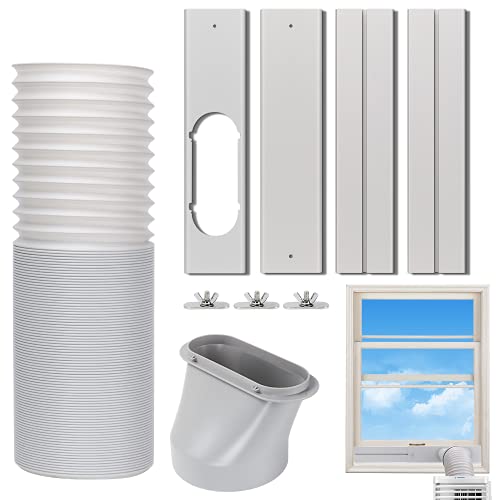
- Sealing the window: weather stripping, foam insulation, or custom panels to prevent air leaks and drafts. Proper sealing matters for both comfort and efficiency — related tips appear in seal air ducts.
- Secure the window: cutting and fitting a sash lock or support bar so the window cannot be opened from the outside.
- Final checks: testing the unit, confirming drainage, confirming the blower and compressor run normally.
Most basic installations take one to two hours. If a custom bracket is needed or the window requires modification, the job can take longer. Ask for a clear estimate before work begins — most handymen provide one in writing after seeing the window.
What a Handyman Should Not Do
A handyman is not an HVAC technician, an electrician, or a licensed contractor for every scope of work. Certain tasks are outside the reasonable scope of a handyman install:
- Refrigerant work: opening the sealed refrigeration circuit requires EPA certification. If the unit is not cooling, that is a technician's job — see fixing an air conditioner and freon for the air conditioner.
- Electrical panel work: adding a new circuit or upgrading the panel is electrician territory. A handyman can verify that an existing outlet works but should not modify the panel — see HVAC service companies for guidance on finding qualified help.
- Structural modifications: enlarging a window opening or modifying wall framing requires a licensed contractor.
- Permit-required work: some jurisdictions require permits for certain installation types; a handyman should not do permitted work without the appropriate license.
- Refrigerant-based HVAC equipment: installing a mini-split, central system, or heat pump requires HVAC licensing. Those tasks belong to a different trade — our guides to installing a mini-split and heat pump cooling and heating split system explain the scope.
The key distinction: a window AC is a self-contained appliance that plugs into a wall. Installing one is a handyman task. Anything that touches refrigerant, electrical panel wiring, or structural framing is not.
How to Choose a Handyman
Not all handymen are equal, and not all handymen want to install window ACs. Consider these factors when selecting one:
- Experience with window ACs: ask directly whether they have installed this specific type of unit before.
- Licensing and insurance: for safety and liability, choose someone who carries liability insurance, even if their jurisdiction does not require a specific license for handyman work.
- Reviews and referrals: check Google reviews, Nextdoor recommendations, or ask neighbors. Window AC installation is common enough that a local handyman will have a track record.
- Tools and supplies: they should provide their own drill, level, brackets, and sealing materials — or at least be able to source them.
- Written estimate: request an estimate in writing, including the scope of work and any materials provided.
- Warranty: ask if they will return if the install has issues in the first week or two.
A handyman who is transparent about their scope, has references, and asks questions about your window and electrical setup is a good sign. If someone is vague about experience with window ACs or unwilling to put an estimate in writing, look elsewhere.
Questions to Ask Before Hiring
A few targeted questions will separate a qualified handyman from someone who will waste your time — or worse, do a poor installation:
- Have you installed a window air conditioner before? How many?
- How will you secure the unit — do you provide your own support bracket?
- Are you insured, and can you provide proof?
- How will you seal the window to prevent drafts and rain intrusion?
- Do you handle the sash lock or security bar installation?
- What will the estimate include, and what could change it?
- What is the timeline — can you install this week?
- Do you charge by the hour or by the job?
- What is your policy if there is a problem after the install?
- Will you test the unit before you leave?
If the handyman can answer all these clearly and confidently, you are in good shape. If they hesitate on safety, brackets, or sealing, that is a red flag — those are the parts of the job that prevent future problems.
Safety and Electrical Checks
The two most common problems with window AC installation — and the two that matter most — are weight support and electrical load.
Weight support
A window AC must be supported by the window sill and, if the sill is not enough, by an exterior bracket. The bracket should be anchored to the exterior wall or the window frame, not just resting on the sill. Units on upper floors particularly need proper support — a falling unit is a serious hazard. Ask the handyman directly how they plan to support the unit.
Electrical load
Most 5,000 to 6,000 BTU window units run on a standard 115V outlet and draw 5 to 7 amps. Larger units (8,000 BTU and above) draw more and may need a dedicated circuit. The handyman should check that the outlet circuit is not shared with major appliances and that the circuit breaker is correctly rated. If the electrical system needs upgrading — a new outlet or a dedicated circuit — that is an electrician's job. For common outlet configurations, see electrical outlet with USB port.
After Installation: What to Verify
Whether the job was done by a handyman or DIY, a short verification pass after installation catches small issues before they become larger ones:
- Cooling performance: the unit should reach the set temperature within a reasonable time in a properly sized room.
- Drainage: water should drip steadily outside, not pool inside the window or drip down the wall.
- No air leaks: run a hand around the window edges — if you feel warm air entering, sealing needs improvement.
- Stability: the unit should not wobble or shift when lightly pressed.
- Noise: normal running should be a steady hum; rattling, grinding, or buzzing may indicate a loose mount or blower problem — see AC making noise for causes.
- Filters: confirm the filter is in place and clean.
- Window security: the window should not be able to open from the outside without a lock or security bar.
Our guide to the first week after AC installation lists more detailed checks and the timing for follow-up issues. For overall installation context, installation cost breakdown and how to get installation quote are useful companions when planning a broader HVAC project.
Ready to Pick the Right Window AC?
Once your installation plan is settled, the next step is choosing the right unit for your window and room. Browse our recommended units below.
View Recommended UnitsFrequently Asked Questions
Is it safe to hire a handyman to install a window air conditioner?
Yes, in most cases. Window AC installation is a task many handymen can handle capably, especially when it involves fabricating a support bracket, sealing the window, or handling heavy units on upper floors. For straightforward ground-floor installs in a standard double-hung window, a careful DIY approach may be equally safe, but for anything involving height, structural framing, or unusual windows, hiring help is the safer choice.
What does a handyman do when installing a window AC?
A handyman typically secures the unit in the window frame, installs or reinforces a support bracket, seals gaps with weather stripping or foam, ensures the unit tilts slightly outward for drainage, and verifies the electrical circuit can handle the load. They may also fabricate a custom support if the window or wall requires it.
Do I need a handyman or an HVAC technician for window AC installation?
A window air conditioner is a sealed, self-contained appliance that does not require refrigerant work or HVAC-specific expertise to install. A handyman is usually the right choice for the physical installation. An HVAC technician is only needed if you are troubleshooting a performance problem, servicing the unit, or installing central or mini-split systems that involve refrigerant.
How much does a handyman typically charge to install a window AC?
Service rates for handymen vary widely by region, but most charge by the hour with a one- or two-hour minimum. A basic installation in a standard window is usually a short job, while units on upper floors, custom brackets, or unusual window types may take longer. Request a clear estimate in advance that includes any materials like brackets or sealing kits.
What questions should I ask a handyman before hiring them?
Ask whether they are licensed and insured, whether they have installed window AC units before, whether they provide their own brackets and sealing materials, and whether they offer any warranty on the work. Also confirm how they will handle upper-floor safety, and get the estimate in writing before they begin.
The bottom line: Hiring a handyman to install a window air conditioner is a smart move whenever heights, weight, unusual windows, or unfamiliar setups are involved. A handyman is the right trade for a self-contained plug-in appliance — but not for refrigerant work, electrical panel changes, or structural modifications. Choose one who is insured, has window AC experience, and provides a written estimate. For straightforward ground-floor installs in a standard window, a careful DIY approach remains a valid option. Either way, verify the installation after completion, and use the first week checklist to catch any small issue before it becomes a problem.