How to Install a Window Air Conditioner in a Sliding Glass Door
A complete, practical guide to setting up a window AC unit in a sliding glass door — including support, sealing, security, and efficiency tips for a cool, safe home.
Start the GuideWhy this guide matters: Sliding glass doors are common in modern homes, apartments, and condos, but they are not designed to hold a window air conditioner. With the right kit, bracket, and sealing method, you can safely install a window AC in a sliding glass door and keep your space cool without damaging the door frame or compromising security.
What You Will Learn
Can You Install a Window AC in a Sliding Glass Door?
Yes, but it is not a direct drop-in installation. A standard window air conditioner is designed for a double-hung window with a vertical sash that closes against the unit. A sliding glass door opens horizontally, so the unit cannot be supported by the door frame alone. Instead, you need a dedicated sliding glass door kit or a custom-built frame that holds the AC unit securely and seals the open gap.
There are two common approaches:
- Sliding door AC kit: A rigid or flexible panel system that fits into the door track and holds the window unit. Rigid kits offer better insulation and security; flexible fabric kits are simpler but less durable.
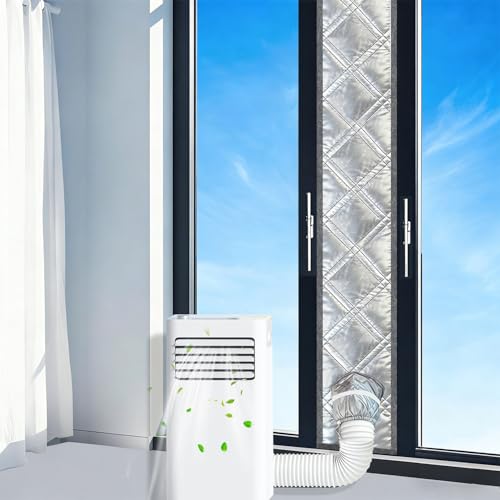
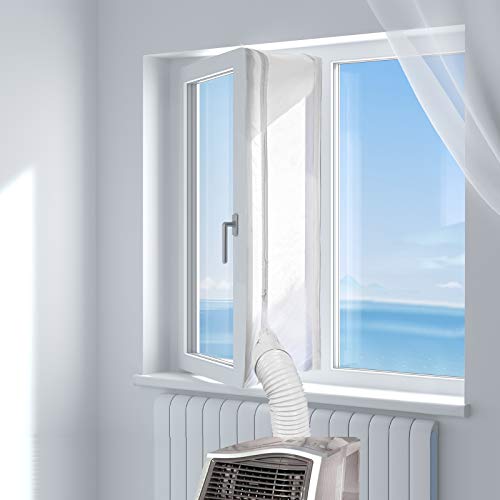
- Portable AC with sliding door seal: A portable air conditioner uses a vent hose and a sealed panel. This is often easier for renters and requires no heavy lifting, though it takes up floor space.
If you are still deciding between unit types, our guide on installing a window air conditioner in a sliding window covers similar principles, while how hard is it to install a window AC unit gives a broader difficulty overview.
Before You Begin: Tools and Materials
Gather everything before you start so the installation goes smoothly. You will need:
| Category | Items | Purpose |
|---|---|---|
| AC Unit | Window air conditioner sized for the room | Cooling capacity must match the space; see our window AC installation guide for sizing basics. |
| Mounting Kit | Sliding glass door AC kit (rigid panel or fabric seal) | Holds the unit and seals the open door gap. |
| Support | Adjustable support bracket or sturdy platform | Carries the weight of the AC; never rely on the door track alone. |
| Sealing | Foam weatherstripping, insulated tape, silicone caulk | Prevents air leaks and reduces energy waste. |
| Tools | Drill, screwdriver, measuring tape, level, utility knife | Assembly and adjustment. |
| Safety | Work gloves, helper for lifting | Window AC units are heavy; lifting alone is risky. |
Pro tip: If you are unsure about the electrical requirements, check our guide on testing a new AC installation and confirm the circuit can handle the unit before installation.
Step-by-Step Installation
Measure the Door and the Unit
Measure the height and width of the sliding glass door opening and the dimensions of your air conditioner. The AC kit must match the door height so the top and bottom seals sit flush. Check that the unit fits the kit opening without forcing it.
- Measure the door height from the track to the top frame.
- Measure the AC unit's width, height, and depth.
- Confirm the kit is rated for the unit's weight.
Install the Support Bracket
This is the most important safety step. Attach an adjustable support bracket to the wall or floor next to the door, or use a heavy-duty platform that rests securely. The bracket must be rated for the AC's weight and positioned so the unit sits level or tilts slightly outward for drainage.
- Never let the AC hang from the door track.
- Use a level to confirm the unit is not tilting inward.
- Secure all bolts and check stability before lifting the unit.
Assemble the Sliding Door Kit
Follow the kit instructions to assemble the frame or panel. Most rigid kits include a top rail, bottom rail, and side panels that adjust to the door height. Slide the kit into the door track and position it where the AC unit will sit.
- Dry-fit the kit before final assembly.
- Trim panels only if the kit allows it.
- Make sure the kit does not block the door's locking mechanism.
Place the Air Conditioner in the Kit
With a helper, lift the AC unit onto the support bracket and slide it into the kit opening. The unit should sit firmly with its front face inside the room and the rear extending outdoors. Check that the kit's side seals close against the unit.
- Keep the unit level or tilted slightly toward the outside.
- Do not block the air intake or exhaust vents.
- Confirm the unit is stable before releasing it.
Seal the Gaps
Seal every gap between the kit, the door frame, and the AC unit. Use foam weatherstripping for the sides, insulated tape for the top and bottom, and silicone caulk for permanent gaps. A tight seal prevents hot air from entering and keeps the unit efficient.
- Check the top and bottom of the kit first.
- Seal the sides where the panel meets the door frame.
- Re-check after the unit runs for a day; vibration can loosen seals.
Secure the Door and Test
Lock the sliding door against the kit so it cannot be opened from outside. If the door's original lock cannot be used, install a secondary lock or a wooden dowel in the track. Then plug in the AC, turn it on, and check for cooling, unusual noise, and leaks.
- Test the unit on its highest fan setting first.
- Check for water drainage outside.
- Confirm the circuit breaker does not trip.
Sealing and Insulation Methods Compared
The seal is what separates a temporary fix from a reliable installation. Here is how the common methods compare:
| Method | Insulation | Security | Best For |
|---|---|---|---|
| Rigid sliding door kit | High | High | Long-term installations, living rooms, bedrooms |
| Flexible fabric seal | Moderate | Moderate | Renters, seasonal use, quick setup |
| Custom wooden frame | High | High | Permanent setups, odd door sizes |
| Portable AC vent panel | Moderate | Moderate | Small spaces, apartments, easy relocation |
Whichever method you choose, pair it with foam weatherstripping and insulated tape. For a broader look at airflow and ventilation, see our guide on house ventilation.
Support and Safety Considerations
A window AC unit can weigh a significant amount, and a sliding glass door track is not built to carry that load. Always use an external support bracket or a sturdy platform. Here are the key safety points:
- Bracket rating: Choose a bracket rated for at least the weight of the unit plus the kit.
- Wall anchoring: Secure the bracket to a solid wall stud or the floor, not just drywall.
- Level check: A slight outward tilt helps drainage, but too much tilt strains the unit.
- Helper: Never lift a window AC alone; use two people or a lifting aid.
- Electrical safety: Confirm the outlet is grounded and on a dedicated circuit if required.
If you are also considering a wall-mounted option, our guide on how to install a wall mounted AC unit covers the structural requirements.
Efficiency Tips for Sliding Door AC Setups
Once the unit is installed, a few adjustments can improve cooling performance and reduce energy waste:
- Insulate the kit panels: Add reflective insulation or foam board to the kit panels if they are thin.
- Shade the door: Use curtains or blinds during peak sun hours to reduce heat gain.
- Seal the top gap: The top of the kit is often the biggest air leak; use a foam strip and tape.
- Keep filters clean: A clogged filter reduces airflow and efficiency; see our guide on sliding window installation for maintenance tips.
- Use a programmable thermostat: If the unit supports it, set a schedule to avoid running the AC when the room is empty.
For a deeper understanding of how the unit removes heat and humidity, read our explainer on how an air conditioner works.
Ready to Choose the Right AC Unit?
Explore our recommended window air conditioners and sliding door kits to find a setup that fits your space and installation needs.
View RecommendationsFrequently Asked Questions
Can a standard window air conditioner fit in a sliding glass door?
A standard window air conditioner can be used in a sliding glass door only with a dedicated sliding door kit or a custom-built frame. The unit must be supported properly and the open gap sealed to prevent air leaks and security issues.
What is the best way to seal a sliding glass door around an air conditioner?
The best method is to use a rigid sliding door kit with insulated panels, foam weatherstripping, and a secure top and bottom seal. Flexible fabric kits are an alternative but offer less insulation and security.
Do I need a special support bracket for a sliding door AC installation?
Yes. A support bracket or a sturdy platform is essential because sliding glass door tracks are not designed to carry the weight of an air conditioner. The bracket must be rated for the unit's weight and secured to the wall or floor.
Can I install a portable air conditioner in a sliding glass door instead?
Yes. Portable air conditioners with a sliding door seal kit are often easier to install in a sliding glass door. They require a vent hose kit and a sealed panel, but they take up floor space and may be less efficient than a window unit.